
By Junya Kubo and Kaori Kubo

In February 2026, I (Junya Kubo), together with my colleague Ryo Kumagai (Associate Professor, Miyagi University of Education), had the opportunity to visit Hanahauʻoli School. There, we observed children engaging in self-directed learning based on their own interests, within an environment that ensured both safety and security. This was seen in a variety of settings throughout the school day: morning circles; student engagement in interdisciplinary thematic units of study; free choice time; arts integration; and each Wednesday when the students are supported by a Philosopher in Residence from the University of Hawai‘i as they participate in Philosophy for Children (P4C) sessions with their peers and teachers. While this overall progressive education approach differs significantly from the school environments we are familiar with in Japan, it does reflect the kind of learning environment we aspire to create when doing P4C in Japanese schools. Our time spent on campus at Hanahau‘oli also reaffirmed that progressive education, especially doing philosophy with children, can be essential for the most vulnerable children.
Our Story
Our story with P4C began in 2011, when a devastating earthquake and tsunami struck Miyagi prefecture in Japan. The impact went far beyond physical damage–it shook the very foundations of our educational system. In response to this crisis, Miyagi teachers were looking for new teaching methods to help children overcome their anxiety and regain confidence. Serendipitously, an educator exchange between teachers in Hawai‘i and schools in Miyagi had just gotten started. This international partnership, alongside our strong desire to revamp our education system in response to the trauma and devastation from the earthquake, opened the door to us experimenting with more progressive approaches to education, like P4C.
All of this really took off in 2013, when the teachers from Hawai‘i who were visiting that year demonstrated how to do P4C with our students in a number of schools across Miyagi prefecture. Teachers from our schools observed how the teachers from Hawai‘i created an intellectually safe classroom culture. Miyagi teachers got inspired by our students' positive response to this approach–generating inquiry questions based on their own interests, integrating their lived experiences into classroom learning, making social and emotional connections, and engaging in meaningful dialogue with their peers. The Miyagi teachers decided that they wanted to try P4C on their own and this is when “p4c Miyagi” was born. Ultimately, p4c Miyagi became a means of supporting children who had suffered psychological damage from the disaster, and the philosophical community of inquiry became part of their recovery.
Over a decade later, p4c Miyagi has evolved, changing lives in ways we never anticipated. For example, at Miyagi University of Education, we have established a P4C research project to study P4C practices in various fields across our education system. This includes a number of current projects studying P4C in early childhood settings, the role that the P4C community of inquiry can play in supporting students who receive a special education and the way in which P4C uniquely addresses the needs of vulnerable populations. In each of the cases to follow, you will see how the switch to a more progressive approach to education like P4C is changing the lives of students in Japan and giving them a brighter hope for their future.
Case Study #1: Freedom to Develop Naturally
Some of the key defining features of a progressive education are the freedom to develop naturally, express oneself as a unique individual, and socially construct knowledge with others. However, in the context of the Japanese school system, these key features of progressive education are hard to find. With its rigid class structure and strong pressure to conform to norms, some students, especially those with special learning needs, find it difficult to engage. For these students, traditional classrooms can become barriers to learning and personal development. Across the country there are many examples of students not attending school or participating fully in the classroom environment. As a result, these conditions can undermine some students’ right to learn and limit opportunities for social and academic development.
To address these issues, we have begun experimenting with using P4C in an alternative classroom for junior high students. This particular group of students has been placed in this different learning environment because they find it difficult to adapt to the rigid classroom system mentioned. They experience hypersensitivity and social anxiety, especially when the traditional classroom setup is used to organize the classroom environment, relationship with the teacher, and approach to learning. Others may have ADHD or may be on the autism spectrum as well. In an effort to address their individualized learning needs, we have introduced P4C because it helps to create a safe space for group activities and supports them in taking unique pathways towards their personal growth.
When we asked students in this alternative classroom setting who are participating in this P4C program about their impressions, they responded:
“It’s fun to learn everyone’s thoughts”
“At first, I thought my ideas were absolutely correct, but now I understand that perspectives differ from person to person”
”I feel I can help make P4C more enjoyable and create a positive atmosphere”
“I’ve become accustomed to deep thinking in my daily life”
“Now I can speak confidently with anyone”
From their comments, we can see that they have developed a greater interest in others, learned to reflect on themselves more objectively, and begun to regain their confidence.
Case Study #2: School Counselors as Supporters of Children's Development
We also experimented with having a school counselor, who is also our co-researcher, Kaori Kubo, lead a P4C group for students facing various psychological challenges (Kubo & Kubo, 2024). This practice was conducted with the aim of creating a safe environment that promotes the growth and development of vulnerable children. The group met twice a month and consisted of both junior high and high school students. They created a community ball and established a few simple P4C rules to ensure a safe space for dialogue and self-expression. In this P4C group, we piloted using Japanese anime as a material for dialogue and found that pop culture can become a relevant gateway to profound philosophical discussions with children.
One day, the group’s inquiry was sparked by famous quotes from Anime. The themes in the quotes revolved around friendship, hard work, and personal growth. The students narrowed in on the quote: "I want to be who I want to be. I just want to be what I am." As questions were generated and discussion ensued, the members of this group said that it is difficult for them to be as they are in the classroom. They said they often feel pressure to need to be seen as “normal” amongst their peers and teachers. The conversation gradually shifted to the question: “What is normal?” They referenced how in Anime, normal children are called "quirkless.” However, they all agreed that nobody is quirkless. As a result of their inquiry, the members of the group shifted their thinking from “I don't want to stand out in the classroom because I don’t want other people to judge me” to “now that I got to know my classmates better in this P4C inquiry I realize we are all unique individuals.”
When we asked students in this counselor-led P4C program, they responded:
“P4C is a unique place for me”
“In the classroom, I think too much about how to speak my mind, but in P4C, I can speak my mind without thinking depressively”
One student compared classroom conversations to “long-rope jumping” and said, “in P4C, the community ball is passed around in turn, so I can think and talk in peace.”
Overall, we believe that the benefits these students experienced with P4C are closely aligned with the philosophy of progressive education, supporting students in developing at their own pace and leveraging each individual’s passion and strengths as a launching point for learning.
Case Study #3: Teacher as Guide Who Creates Safe Spaces for Reflection and Growth, Not Taskmaster
Finally, our third experiment with P4C took place at a temporary child protection shelter located within a Child Guidance Center. This shelter provides care for children who have experienced abuse or who cannot remain at home due to serious family or behavioral difficulties. Children between the ages of two and eighteen live in the shelter for approximately two months. We were granted permission to conduct P4C sessions with the adolescents who were staying at the shelter. The number of participants varied from day to day, ranging from one to seven children, along with several staff members who joined the sessions.
We also conducted interviews with staff members who participated in the P4C sessions. They shared:
The experience helped them recognize the children’s hidden strengths and discover aspects of their personalities that they had not previously seen.
P4C became a space where children—who had often felt marginalized at home or at school—were accepted within a group and were able to express themselves without fear.
The sessions created opportunities for dialogue that transcended conventional roles, allowing adults and children, as well as staff and residents, to engage with one another on a more equal footing.
When we reflected on doing P4C with this group, we recognized how the concepts of “intellectual safety” and “wonder” are critical and central to supporting the growth and development of children.
We also saw parallels between progressive education and group psychotherapy, which identifies the “instillation of hope” (Yalom & Molyn,2020) as one of the eleven therapeutic factors that operate within groups. The participants in our group said, “I feel relieved when I come here” or “I feel like I might be able to manage.” Another therapeutic factor is “altruism”. This occurs when individuals experience that their words and actions are meaningful to others, and that their presence is valued within the group. In addition, Yalom and Molyn (2020) identify the existential factor as a therapeutic element. This involves exploring fundamental questions of life—such as meaning, loneliness, and death—not in isolation, but within a group, and gradually learning to come to terms with them. All this is to say, P4C and progressive education more broadly is more than just a teaching method; it is a way of creating safe spaces where children can reflect, inquire and grow.
Final Thoughts
Each of the case studies presented above demonstrates how children in vulnerable situations can benefit from more progressive approaches to education like P4C. Progressive education gives them the freedom to develop naturally, supports all of their development (e.g. the whole child), and creates a different relationship between teachers and students. While P4C is not psychotherapy, it has the potential to provide children with spaces for recovery and growth, protecting their unique development and creative expression. Now, fifteen years after the devastating earthquake and tsunami in Miyagi prefecture, we are witnessing first-hand how the transition to progressive education can nurture resilient and reflective individuals who are prepared to face the challenges of tomorrow.
Acknowledgements
This study was supported by the Uehiro Foundation on Ethics and Education.
傷つきやすい子どもたちにP4Cが必要な理由
2026年2月、私(久保順也)は同僚の熊谷亮氏(宮城教育大学准教授)とともに、ハナハウオリ・スクールを訪問する機会を得ました。そこでは、安全・安心が確保された環境のなかで、子どもたちが自らの興味・関心に基づいて自己主導的な学びに取り組む姿を観察しました。その様子は、朝のサークルタイム、教科横断的なテーマ単元への取り組み、自由選択活動、芸術との統合など、一日を通じたさまざまな場面で見られました。また毎週水曜日には、ハワイ大学から Philosopher in Residence が学校を訪れ、子どもたちが仲間や教師とともに「子どもの哲学(P4C)」のセッションに参加しています。こうした進歩主義教育のアプローチ全体は、私たちが知っている日本の学校環境とは大きく異なりますが、日本の学校でP4Cを実践する際に私たちが目指している学びの環境を体現するものでもあると考えます。ハナハウオリでの時間はまた、進歩主義教育、とりわけP4Cが、傷つきやすい子どもたちにとって不可欠であることを、改めて私たちに確信させてくれました。
私たちの物語
P4Cとの出会いは2011年、宮城県を壊滅的な地震と津波が襲った年に始まりました。その影響は物理的被害だけでなく、教育制度の根幹を揺るがすものでした。この危機に対応するために、宮城の教師たちは子どもたちが不安を乗り越え、自信を取り戻す手助けとなる新しい指導法を模索していました。ちょうど、ハワイと宮城の学校間の教育者交流が始まったところでした。この国際的なパートナーシップと、地震による惨禍と子どもたちの傷つきに対応していくために教育制度を再構築したいという思いが相まって、P4Cのような進歩主義的な教育アプローチを試みる扉が開かれたのです。
こうした取り組みが本格化したのは2013年のことです。同年にハワイから訪れた教師たちが、宮城県内の複数の学校でP4Cの実践を子どもたちに示してくれました。宮城の教師たちは、ハワイの教師たちが知的に安全な学びの文化をどのように築くかを観察しました。そして、子どもたちがこのアプローチに対して示した肯定的な反応——自らの興味・関心から探究の問いを生み出し、自分の生きた経験を学びに統合し、社会的・情緒的なつながりを持ち、仲間との深い対話に参加する姿——に、宮城の教師たちは触発されました。宮城の教師たちは自分たちでもP4Cに挑戦してみようと決意し、「p4cみやぎ」が誕生しました。やがてp4cみやぎは、災害により傷ついた子どもたちを支える手立てとなり、哲学的な探究の共同体は彼らの回復の一部となっていきました。
それから十年以上が経ち、p4cみやぎは発展を続け、予想外の形で人々の人生を変えています。たとえば宮城教育大学では、さまざまな教育領域におけるP4C実践を研究するプロジェクトを立ち上げました。その中には、幼児教育におけるP4C、特別支援教育を受ける児童生徒の支援においてP4Cの探究共同体が果たしうる役割に関するもの、そして脆弱な状況にある子どもたちのニーズにP4Cがどのように応えうるかを研究するプロジェクト等、複数のものが含まれています。以下に紹介する各事例を通して、P4Cのような進歩主義教育へのシフトによって、日本の子どもたちの人生がどのように変わり、より明るい希望を与えているかお伝えしたいと思います。
事例1:自然に育つ自由
進歩主義教育の重要な特徴として、自然に育つ自由、独自の個人として自己表現する自由、他者とともに知識を社会的に構築することが挙げられます。しかし日本の学校制度において、こうした特徴を見出すことは容易ではありません。固定化された学級構造と規範への同調圧力が強い中、特別な学習上のニーズを抱える生徒は、こうした学校制度の下で学ぶことに困難さを感じることがあります。このような児童生徒たちにとって、従来の教室の在り方は学びと個人の成長の妨げとなりかねません。全国各地で不登校の事例や、学級での学びに参加することが困難な児童生徒の事例が多数みられます。このような状況下では、児童生徒の学ぶ権利が損われ、社会的・学業的な発達の機会が制限されてしまうことになります。
こうした課題に対応するため、私たちは中学生を対象とした「校内教育支援センター(別室登校教室)」でP4Cを活用する試みを始めました。この教室に通う生徒たちは、前述のような固定化した学級制度に適応することが難しいため、この別様の学習環境で学んでいます。彼らは過敏さや社会的不安を抱えており、従来の教室環境や教師との関係、学びへのアプローチが用いられるとそれが顕著になります。また、ADHDや自閉スペクトラム症の傾向のある生徒もいます。このような生徒たちの個別の学習ニーズに応えるべく、P4Cを導入しました。P4Cはグループ活動のための安全な空間を生み出しつつ、それぞれの生徒の成長をを支えることができるからです。
このP4Cプログラムに参加している別室登校の生徒たちに感想を聞いたところ、次のような声が返ってきました。
「みんなの考えを聞けて楽しい」
「最初は自分の考えが絶対に正しいと思っていたけれど、今は人によって見方が違うことがわかった」
「P4Cをもっと楽しくしたり、いい雰囲気を作ったりするのに自分が貢献できると感じる」
「深く考えることが日常生活に馴染んできた」
「今は誰とでも自信を持って話せるようになった」
これらの言葉から、彼らが他者への関心を深め、より客観的に自己を振り返ることを学び、自信を取り戻し始めていることがわかります。
事例2:スクールカウンセラーによる子どもの発達支援
次に、共同研究者でもあるスクールカウンセラーの久保香織氏による、様々な心理的困難を抱える生徒を対象に行った、P4Cを用いた集団精神療法の実践について述べたいと思います(Kubo & Kubo, 2024)。この実践は、傷つきやすい子どもたちの成長と発達を促す安全な環境を生み出すことを目的として行われました。グループは中学生と高校生が集まり、月に2回開催されました。参加者たちはコミュニティボールを作り、いくつかのシンプルなP4Cのルールを用いて対話しました。このP4Cグループでは、日本のアニメの題材を対話の問いとして用いることもありました。日本のポップカルチャーが子どもたちとの深い哲学的議論への入口となりました。
ある日、グループの探究はアニメの有名な台詞から始まりました。その台詞のテーマは、友情、努力、そして個人の成長をめぐるものでした。生徒たちは「私はなりたい自分になりたい。ただ、自分のままでいたい」という有名なアニメのセリフを選びました。問いが生まれ、議論が展開されるなかで、この参加者たちは、教室では「自分のまま」でいることが難しく、クラスメートや教師の目に「普通」に見られなければならないというプレッシャーを感じることが多い、と語りました。やがて対話は「普通とは何か?」という問いへと移っていきました。アニメの中では、「普通の子」は「無個性(クオークレス)」と呼ばれます。しかし対話が進むにつれ、全員が、誰一人として「無個性ではない」という気付きを得ました。P4Cを用いた対話の結果、グループのメンバーたちの考えは、「目立ちたくないのは、他の人に評価されたくないから」という思いから、「このP4Cの探究を通じてクラスメートのことをよく知れたので、みんなそれぞれ個性的な存在なんだとわかった」という気づきへと変化しました。
このスクールカウンセラー主導のP4Cプログラムに参加した生徒たちにインタビューをしたところ、次のような声がありました。
「P4Cは私にとって特別な場所」
「教室では、どうやって自分の気持ちを言葉にするか考えすぎてしまうけれど、P4Cでは落ち込まずに素直に気持ちを言える」
ある生徒は教室での会話を『大縄跳び』に例え、「P4Cではコミュニティボールが順番に回ってくるから、落ち着いて考えて話せる」と言いました。
総じて、これらの生徒たちがP4Cで経験した恩恵は、進歩主義教育の理念——生徒が自分のペースで発達することを支え、それぞれの情熱と強みを学びの出発点として活用すること——と深く結びついていると私たちは考えます。
事例3:生徒の内省と成長のための安全な空間を創る「伴走者」としての支援者
最後に、3つ目のP4Cの実践は、児童相談所内の一時保護所で行われました。この施設は、虐待を経験した子どもや、深刻な家庭状況や行動上の問題から家庭で生活することが困難な子どもたちに一時的な社会的養護を提供しています。2歳から18歳の子どもたちが約2か月間入所しています。私たちは、入所中の思春期の子どもたちとP4Cのセッションを実施する許可を得ました。参加者数は日によって異なりますが、最小1人から最大7人の子どもと、複数の職員で構成されました。
P4Cのセッションに参加した職員へのインタビューも行いました。彼らは次のように語りました。
「この経験を通じて、子どもたちの隠れた強みに気づき、それまで見えていなかった子どもたちの個性の側面を発見することができた。」
「P4Cは、家庭や学校で疎外感を感じてきた子どもたちが、グループの中で受け入れられ、恐れることなく自己表現できる空間となった。」
「セッションは従来の役割を超えた対話の機会を生み出し、大人と子ども、スタッフと入所者が、より対等な立場で関わり合えるようになった。」
このグループでのP4Cを振り返り、「知的安全性」と「不思議に思うこと(ワンダー)」という概念が、子どもたちの成長と発達を支えるうえで決定的に重要であることを改めて認識しました。
また、私たちは進歩主義教育と集団精神療法の間に類似点を見出しました。集団精神療法は、グループ内で作用する11の治療的因子のひとつとして「希望の注入(instillation of hope)」を挙げています(Yalom & Molyn, 2020)。私たちのグループの参加者たちは、「ここに来るとほっとする」「なんとかなるかもしれないと思えてくる」と語りました。また集団精神療法における他の治療的因子として「利他主義(altruism)」が挙げられます。これは、自分の言葉や行動が他者にとって意味を持ち、グループの中で自分の存在が大切にされていると実感することで生じます。さらにヤーロムとモリン(2020)は、「実存的因子(existential factor)」を治療的要素として挙げています。これは、意味、孤独、死といった人生の根本的な問いを孤独のなかで探るのではなく、グループのなかで探り、少しずつそれらと折り合いをつけることを学ぶプロセスです。これらのことから、P4Cと進歩主義教育は、単なる教授法にとどまらず、子どもたちが内省し、探究し、成長できる安全な空間を創り出す営みなのだと言えます。
おわりに
上記の各事例は、脆弱な状況に置かれた子どもたちが、P4Cのような進歩主義教育アプローチから恩恵を受けうることを示しています。進歩主義教育は、子どもたちに自然に育つ自由を与え、子どもの全人的な発達を支え、教師と生徒の関係性に新たな在り方をもたらします。P4Cは心理療法ではありませんが、子どもたちに回復と成長のための空間を提供し、それぞれ固有の発達と創造的な表現を守る可能性を秘めています。宮城県を壊滅的な地震と津波が襲ってから15年が経った今、私たちは進歩主義教育への移行が、未来の課題に立ち向かう準備の整った、しなやかで省察的な人間を育てうることを、まさに目の当たりにしています。
本研究は公益財団法人上廣倫理財団による助成を受けたものです。
Works Cited:
Kubo,J & Kubo,K. 2024 A p4c Practice as a Construction of a Safer Place in School and as a Reconstruction of self. 25th World Congress of Philosophy, Rome.
Yalom,I.D.& Molyn, L. 2020 The Theory and Practice of Group Psychotherapy (6th ed.). Basic Books.
ABOUT THE CONTRIBUTORS:
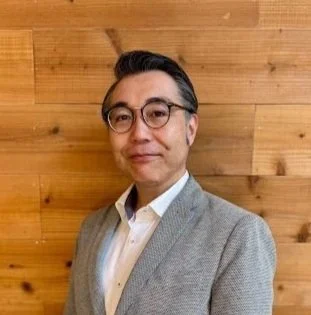
Junya Kubo is a Professor at Miyagi University of Education in Japan. He is a Licensed Public Psychologist and Certified Clinical Psychologist and holds a Master's degree in Education. Before joining the university, he worked as a clinical psychologist at a Child Guidance Center, a school counselor, and a clinician in a psychiatric hospital, where he gained broad clinical experience working with children and their families. He is currently involved in the training and professional development of prospective schoolteachers. His research focuses on group-based psychological support, particularly drawing on family therapy and narrative approaches. Building on this foundation, he has developed a particular interest in bullying among children and adolescents and conducts research on its prevention from a psychological perspective. In his free time, he enjoys rediscovering the joy of learning by doing homework together with his children.
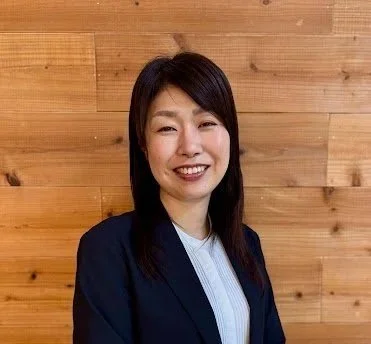
Kaori Kubo is a Certified Public Psychologist and Clinical Psychologist, and holds a Master's degree in Education. During her time in graduate school at Miyagi University of Education, she began her career as a clinical psychologist at a Child Guidance Center. Since then, she has worked in a psychiatric clinic, and currently serves as a school counselor, in public parenting support services, and in private practice providing psychotherapy.
Grounded in a psychoanalytic perspective, her work focuses on supporting children's growth and development within their environments, as well as providing psychotherapy for adults who have experienced psychological trauma, including complex PTSD.
Outside of her professional life, she enjoys traveling and exploring delicious food, with a particular fondness for Hawaiian coffee. Curiosity is the driving force behind both her personal and professional journey.

