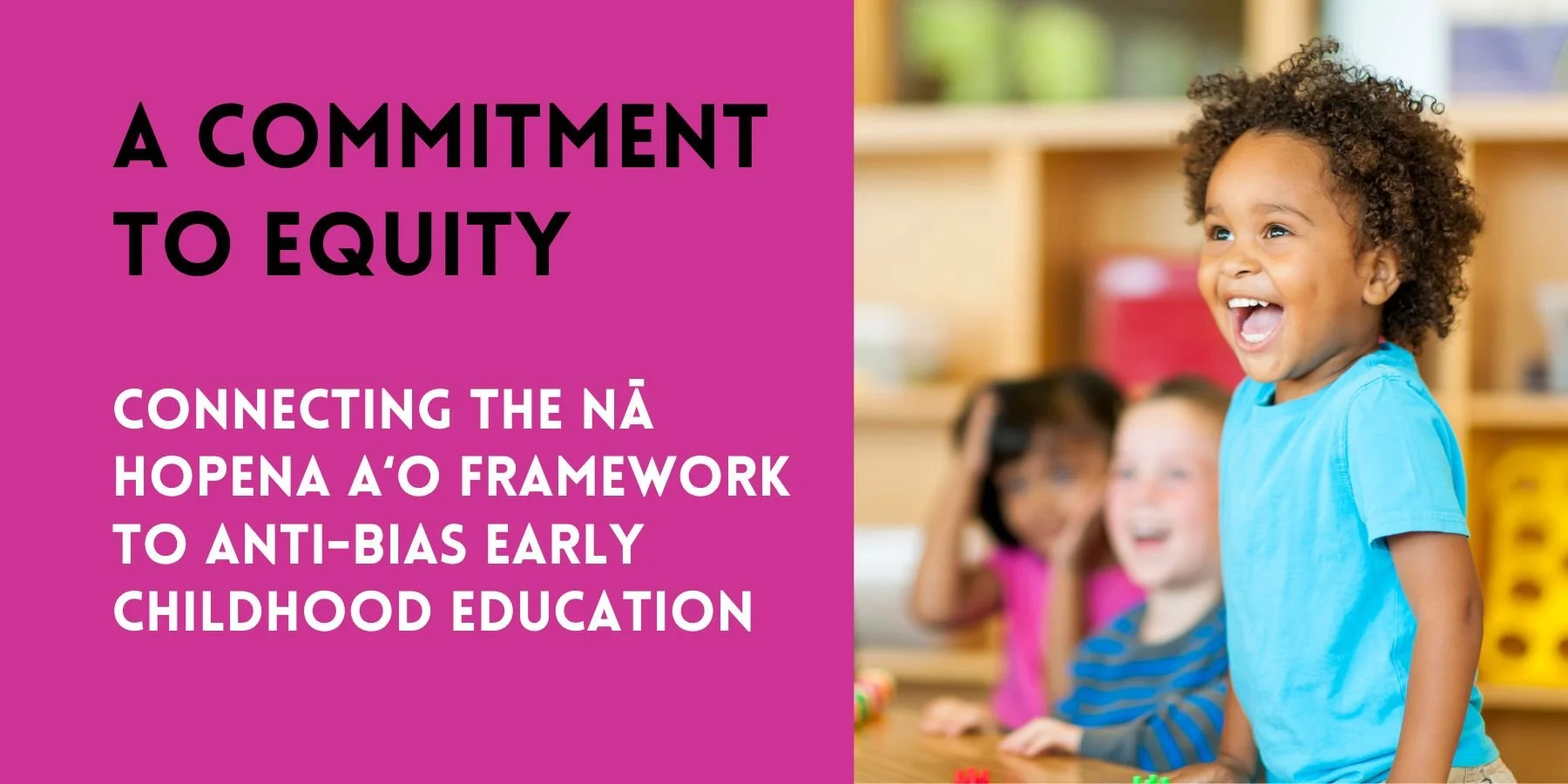
On Thursday, September 11 and Friday, September 12, 2025 the Hanahau‘oli School Professional Development Center hosted a two-day workshop titled, “A Commitment to Equity: Connecting the Nā Hopena A‘o Framework to Anti-Bias Early Childhood Education”. In past years, this workshop has sold out within weeks of registration opening, but this time around educators were slow to sign up and the number of attendees was comparatively smaller to previous offerings. Educators' trepidation to participate in a workshop of this nature seems to be a sign of the times. Overall, teachers and administrators are demonstrating apprehension and wariness of integrating diversity, equity, and inclusion (DEI) into school curriculum and classroom practices given the number of new “restrictions” on DEI in U.S. public education that have been enacted in 2025 at both federal and state levels, primarily through executive orders, departmental guidance, and new legislation. Others, not affected by new policies directly, may also be engaging in what some scholars refer to as “anticipatory compliance” – changing their behavior based on perceived future wishes of those in power, before any explicit demand or legally binding change has been made (see this recent New York Times article). Regardless of this overall trend and atmosphere in American schools, a small group of determined early childhood educators committed to equity and anti-bias education for young children enrolled in the workshop and participated in two full days of meaningful learning. In this blog post, a writing group made up of workshop organizers, facilitators and participants summarize the professional development goals they were aiming to achieve, the rationale behind why this work remains important, and overall reflections on how this professional development experience was relevant to teaching and learning in the current moment.
A Summary of the Early Childhood Anti-Bias Education Workshop
Contributed by Dr. Terry Lock and Alexa Sisson
Anti-Bias Education (Derman-Sparks, et. al. 2020) is a social justice framework that offers early childhood educators a variety of strategies to help children learn to be proud of themselves and their families, respect a range of human differences, recognize unfairness and bias, and speak up for the rights of others. This two-day early childhood anti-bias education workshop brought together a small group of teachers, instructional coaches, program administrators and college faculty, primarily serving young children, birth through age eight. The goal of the workshop was for participants to gain an understanding of how young children’s self-identity and behavior are influenced by biases in our diverse society and how to engage children and adult learners in anti-bias education practices. Woven throughout the workshop were opportunities to engage in self-reflection activities to help participants think critically about their own experiences and biases, which will strengthen their ability to work effectively with diverse children and adult learners. Connections between Anti-Bias Education and the Hawai‘i Department of Education’s Nā Hopena A‘o (HĀ) framework were made to help participants increase Hawaiʻi early learners’ sense of Belonging, Responsibility, Excellence, Aloha, Total Well-Being, and Hawai‘i (Lupenui, et al., 2025).
The overall objectives of the workshop were to support participants in being able to:
Understand what is anti-bias education and the four goals of anti-bias education.
Review the historical and empirical support for anti-bias education.
Appreciate how young children develop their social identities.
Explore how to establish an anti-bias environment and curriculum.
Discover specific curriculum ideas for various anti-bias topics, including culture, racial identity, gender identity, economic class, family structures, and different abilities.
Identify becoming an anti-bias teacher, instructional coach, program administrator and work more effectively with diverse children and their families.
Explore how to connect anti-bias education with Hawai‘i Department of Education’s Nā Hopena A‘o (HĀ) framework.
The workshop was facilitated by experienced and expert educational leaders, Dr. Terry Lock and Alexandria Sisson.
Why Anti-Bias Education for Young Learners Remains Important
Contributed by Dr. Jennifer Dempsey
Advocating for literacy, social justice, and cultural responsivity for all children is a paramount concern for me as an educator. Cognitive experience is sequential, and very young children in under-resourced families are beginning school already far behind their peers in nearly every aspect and often with limited exposure to literacy-rich experiences (Hart & Risley, 2003). Heckman (2011) concedes that educational resources must be available and equitable to low income children and their families to close the gaps in the variability of access to educational opportunities. “Investment in early education for disadvantaged children from birth to age 5 helps reduce the achievement gap, reduce the need for special education, increase the likelihood of healthier lifestyles, lower the crime rate, and reduce overall social costs” (p. 32). Cultural responsivity and social justice should be integral components of every school environment. Without these ideologies, young people become marginalized, and proactive change cannot occur. Nieto (2007) emphasized the significant connection between democracy and public schools. “Education reform without complementary investments in early childhood education, health care, housing, after-school and summer programs, and other social and economic supports, the so-called achievement gap will never be closed” (p. 302). The policies prohibiting marginalized populations from equal opportunities must be challenged and overhauled to create a more just society. Like myself, other educators can implement and sustain change in their classrooms and community by challenging these inequities that continue to disparage students based on their religion, social class, culture, language, and race.
Social-emotional learning (SEL) plays a crucial role in my model of personal practice. Strategies that promote social-emotional learning should also be present in schools as it has been linked to numerous positive student outcomes, such as strengthening relationships with other students and teachers, increased self-esteem, and decreased behavioral reports (Darling-Hammond & Cook-Harvey, 2018). With a focus on fostering the development of essential skills such as self-awareness, self-management, empathy, and responsible decision-making, SEL not only increases personal and social success for students but can also improve academic performance (Thomas et al., 2022). Educators often need more awareness of their students’ home lives. These children could contend with unstable home environments, food insecurity, or inadequate healthcare. Sadly, these early stressors for young children can have long-term negative cognitive consequences on brain development (Willingham, 2012). Willingham notes, “In addition to changing the way the brain responds to stressful events, chronic stress changes the brain's anatomy” (p. 36). To combat these stressors, support social-emotional learning, and educate the whole child, I strongly advocate for creating a classroom culture of compassion, trust, and supportive encouragement in which students feel safe and nurtured. These are all things that were modeled in the A Commitment to Equity: Connecting the Nā Hopena A‘o Framework to Anti-Bias Early Childhood Education workshop.
Literacy is also the foundation for a thriving and empowered society. How literacy (and illiteracy) impacts communities is far-reaching and intertwined. No skill is more crucial or critical to a child's future than the ability to read. However, the National Assessment of Educational Progress (NAEP) reports that only thirty-three percent of fourth-grade students nationwide performed at or above the proficient level on the reading assessment in 2022. This statistic was two percentage points lower compared to 2019. Even more concerning are findings from the National Early Literacy Panel (2008) that confirm that children from economically challenged families face the highest probability of insufficient preparation to thrive and succeed. As a nation, our students are underachieving in reading at alarming and abysmal rates, especially children who are from historically marginalized groups. Literacy should not be a privilege but a fundamental human right. Literacy can empower individuals, consequently driving social and human progress (Murthy, 2009). The availability of educational prospects relies heavily on the acquisition of literacy skills. We must do better to ensure all students can access quality literacy instruction!
I have experienced firsthand the results of an educational system in which teachers are ill-prepared and untrained to teach reading effectively. Students with learning disabilities do not receive the targeted instruction they deserve, and children from under-resourced families fall further behind. Only 18% of Native Hawaiian/Pacific Islander fourth-graders performed at or above proficient on the reading assessment in 2022 (NAEP, 2022). These claims are significant in supporting the implementation of reading research on how to educate children effectively, how schools can ensure equitable access to quality instruction, and how we must ensure that children from disadvantaged families have the same lifetime opportunities for success as their peers. To aid in students’ academic performance and mastery of skills, children must receive effective instruction in reading and more intensive, explicit, and supportive preventive instruction (Torgesen et al., 2001). My model of practice, which was reinforced at this two-day workshop emphasizes the importance of educating the whole child, literacy justice, equitable access to resources, and striving to become a change agent and leader capable of creating positive transformations in schools, particularly in literacy. Significant work lies ahead of us in bridging the research-to-practice gap, and remains the driving force behind my passion for becoming an educator.
Overall Reflections On the Workshop and Applications to Practice
Contributed by Anonymous Attendee
It was such a meaningful, informative, and valuable two-day workshop. Dr. Lock and Alexa covered many areas, drawing on multiple resources and data from both practical and theoretical perspectives. From learning about Anti-Bias Education (ABE), I have come to understand that education is never neutral; it can either reinforce inequities or actively work toward justice. ABE has taught me the importance of helping children develop a strong and positive sense of identity while also learning to respect and value differences in others. I came to recognize that everyone carries implicit bias, and that bias can show up in everyday life through books, media, classroom materials, and even casual language. These subtle messages shape children’s thinking in powerful ways. This awareness showed me the need to create learning environments that not only reflect diversity but also promote fairness, moving beyond surface-level inclusion toward true equity and justice.
I also learned that ABE empowers children to think critically by engaging them in discussions about complex and sometimes uncomfortable topics such as race, skin color, and religion. Helping children grasp justice requires time, intentional practice, and ongoing professional development so educators can create safe environments and refine their approaches. Finally, I came to see that as an educator, it is just as important for me to reflect on my own assumptions, privileges, and biases as it is to guide children. ABE calls me to become a thoughtful, compassionate, and justice-oriented practitioner while helping children grow into active participants in their communities.
Contributed by Valley Varma
The two major themes that have come up in examining Anti-Bias Education in the workshop are relationships and trust. We explored concepts like identity development and diversity. I came to see how developing strong relationships with children is a backbone of this work, and that how we share about ourselves with children makes an impact. As teachers, we often offer narratives of our own rituals and customs. This vulnerable offering invites children to share and relate themselves. It is these real stories that create a classroom culture that promotes confidence, pride, and curiosity about the diversity amongst us. This process builds relationships and relationships allow the process.
The theme of trust has come up a lot for me, particularly trusting children. This work is born from a genuine belief that children construct knowledge. Children are participants in their learning, and sometimes teachers are merely observers and not participants in this process. I have found that one of the most active ways to do this work is to give space and really listen to what children are thinking, expressing, doing without adult influence. This is a very critical window to find launching points for justice and activism. In this way, we set the tone for shared visions of justice with children. We set the tone for participatory democracy when we allow space for children's voices. When we trust children and believe their intellect, empathy, and abilities, we allow for the most meaningful Anti-Bias Education possible. I left the workshop thinking: Trust the child. Trust yourself. What kind of human do you hope to be?
Contributed by Crystal Y. Jolley
I felt a lot of emotions during this workshop, needed to hold back tears, and even shed a few. This work is powerful, it's challenging, it’s scary, and it’s worth doing. It can feel so overwhelming, so how do you even begin? One of your first steps can be to reflect on who you are and what experiences shape you as a teacher and a human, because you will inevitably bring that into the classroom with you. I believe that’s why I felt so emotional. There are so many experiences that have left me feeling hurt and harmed, and that shapes my practice, and how I show up as a caregiver and teacher. It can both propel me in this work, and at times hold me back. It allows me to identify with children and see myself in their experiences, and it can maybe cause an over-sensitivity or blind spot, or bias. Knowing this, I must continually reflect on myself, my triggers, my hurt and how I show up for children and myself. I owe that to the children and families I work with, I owe that to myself, and I owe that to this powerful, challenging, scary work that is worth doing.
Contributed by Dr. Jingwoan Chang
At an especially politically charged moment, as multiple acts of violence played out across our feeds, I was deeply grateful for the opportunity to attend the Anti-Bias Education (ABE) with Nā Hopena Aʻo workshop at the PDC. The group was smaller than when I attended an earlier iteration of this workshop years ago, which is not surprising considering the escalating discourse misrepresenting educational initiatives related to equity, diversity, inclusion, or justice. It has also been very discouraging to see preemptive capitulation on the part of educational institutions and classroom teachers. Yet, this small but mighty group of participants still gathered to engage in aʻo (teaching and learning) with a shared intention, to respond as educators with the knowledge that young children absorb messages at an early age about the world around them.
The workshop reinforced that children learn through observation about race, class, gender, language, ability and other characteristics that are, often implicitly, used for sorting people into a hierarchy. As we shared stories, resources, and mutual support, we discussed how honest and critically-informed conversations about identity are so challenging. Such conversations touch on our core sense of self, which are formed at an early age and continue to be shaped throughout our lives as we interact with the world. One of the first elements of anti-bias education for early childhood education is to thoughtfully guide students through the process of forming positive social identities with respect for similarities and differences. This helps students see the full humanity of others, and undermines the idea that any identities or groups are more “normal,” more dominant, or more deserving of respect than others. We also examined how ABE goals resonated with the Nā Hopena Aʻo framework, including a strengthened sense of belonging, responsibility, aloha, and total well-being.
In sum, group and individual reflections during the workshop reinforced a few ideas for me about ABE:
Accurate understandings of terms like equity, justice, and privilege reflect the systemic and structural nature of these issues, which rarely exist in a vacuum or on an individual, isolated, or circumstantial basis. Such an understanding might allow one to see, for example, that a person can experience prejudice but also have privilege. A person living in Hawaiʻi may indeed experience microaggressions and prejudicial treatment based on their skin color. At the same time, they might still see themselves represented robustly in school curricula, popular culture, white collar professions, or leadership positions. Another example is to recognize that a person might be temporarily disadvantaged due to a specific circumstance (e.g., traveling to a country where they do not speak the language), but that this experience is not due to a structure that disadvantages them based on their identity. Such understandings can help us avoid logical fallacies around key social justice terms and concepts.
Anti-bias education requires an openness to shedding light in our blind spots, especially around how bias exists on both individual and systemic levels, and how, as social beings, we are all influenced by and implicated within systems and structures that place people in a hierarchy. For example, I was happy to see that the workshop facilitators were engaging with ongoing learning about Asian settler colonialism, a set of ideologies and practices that supports the U.S. settler state in Hawaiʻi while undermining Native Hawaiian rights and claims to self-determination. These are not easy topics to delve into.
Finally, it struck me that shame is an aspect of identity that can either lead to more critical awareness about the need for ABE, or to its opposite: defensiveness, denial, disidentification, or scapegoating. Shame about identities is not only formed by negative representations, but can also be perpetuated by silence or the lack of meaningful representation. By providing mirrors (that reflect students’ identities) and windows (that build understanding and empathy for other identities), ABE develops positive social identities without shame or hierarchy. Shame may also be the reason why conversations about identity and justice are so difficult. When confronted with new knowledge or perspectives that push us to question deeply-held beliefs about who we are at our core, we may experience disbelief, shame, or defensiveness that could lead to dismissiveness, callousness, or hate. There is, however, always the choice to choose curiosity and growth instead. I believe this is a characteristic shared by justice-minded educators.
My learning about ABE is ongoing. The path is not linear. I am grateful for the workshop because it allowed me to share time with fellow educators who are also on this journey, particularly at a moment when it feels like so much more is at stake in such conversations.
Final Facilitator Reflections
Contributed by Dr. Terry Lock and Alexa Sisson
We want to express our deep gratitude to our dear organizers and participants of this two-day workshop for being on this journey with us. We applaud your courage to critically analyze your own personal attitudes around issues of biases. We value how you created a safe psychological environment where everyone’s participation was sought after and valued, and where it was okay to disagree. We commend you for your commitment to empowering young children and adults with anti-bias tools to stand up for themselves and others in the face of prejudice, stereotyping, bias, and institutional isms.
One of the goals of this two-day workshop was to reflect on the connection between the Anti-Bias Education (ABE) and the Hawai‘i Department of Education’s Nā Hopena A‘o (HĀ) framework. ABE is a child development theory, from infancy to age 8, that offers values-based principles and methodology to develop and support young children’s higher critical thinking to confront prejudicial messages and to construct knowledge, be confident in their identity, and develop comfortable and empathetic interactions with diversity (Beloglovsky & Daily, 2015). ABE’s goals of self-identity, diversity, justice, and activism promote the values of respect, justice, equality and inclusion, while celebrating human diversity. The HĀ framework, which is founded in the unique Hawaiian values, language, culture, and history, covers six learning outcomes. These are “sense of Belonging, Responsibility, Excellence, Aloha, Total Well-Being, and Hawai‘i” , meant for all students attending the Hawai’i public schools (Lupenui, et al., 2015, p.1).
The two concepts of ABE and the HĀ framework are not a one-to-one exchange. In Hawai‘i, identity is ingrained into everything– similarly, so are concepts of justice and activism (sometimes named as pono, ho‘opono, kūpono). The threads that connect the HĀ framework and ABE goals to one another will depend on your own environment and community. The heart of anti-bias work is a vision of a world in which all young children are able to blossom, and each child’s particular abilities and gifts are able to flourish. The same heart can be found in the HA framework; the journey of finding strategies that resonate with the same place-based significance found in the framework is a continuous process that allows educators to intertwine ABE into concrete and resonant practices in Hawai‘i’s classrooms.
Me ka mahalo piha (with a fullness of gratitude) for supporting childrenʻs optimal development with developmentally appropriate educational strategies in our world of great human diversity.
References
Beloglovsky, M. & Daly, L. (2015). Early learning theories made visible. Redleaf Press.
Derman-Sparks, L., Edwards., J.O., & Goins, C.M. (2020). Anti-bias education for young children & ourselves (2nd ed). National Association for the Education of Young Children.
AUTHORS (November, 2015). Nā Hopena Aʻo Statements, HĀ BREATH. Hawai’i Department of Education.
Darling-Hammond, L., & Cook-Harvey, C. M. (2018). Educating the whole child: Improving school climate to support student success. Learning Policy Institute.
Hart, B., & Risley, T. R. (2003). The early catastrophe: The 30 million word gap by age 3. American Educator, 27(1), 4-9.
Heckman, J.J. (2011). The economics of inequality: The value of early childhood education. American Educator, 35(1), 31-47.
Murthy, P. (2009). Health literacy and sustainable development. UN Chronicle, 1, 19–22.
National Early Literacy Panel (U.S.) & National Center for Family Literacy (U.S.).
(2008). Executive summary: Developing early literacy: Report of the National Early Literacy Panel. National Institute for Literacy.
Nieto, S. (2007). The color of innovative and sustainable leadership: Learning from teacher leaders. Journal of Educational Change, 8(4), 299–309. https://doi.org/10.1007/s10833-007-9044-8
Thomas, C. L., Zolkoski, S. M., & Sass, S. M. (2022). Investigating the psychometric properties of the social-emotional learning scale. Assessment for Effective Intervention, 47(3), 127-136.
Torgesen, J. K., Alexander, A. W., Wagner, R. K., Rashotte, C. A., Voeller, K. K., & Conway, T. (2001). Intensive remedial instruction for children with severe reading disabilities: Immediate and long-term outcomes from two instructional approaches. Journal of Learning Disabilities, 34(1), 33-58.
U.S. Department of Education. Institute of Education Sciences, National Center for Education Statistics, National Assessment of Educational Progress (NAEP), 2022 Reading Assessment.
Willingham, D. T. (2012). Ask the cognitive scientist: Why does family wealth affect learning? American Educator, 36(1), 33-39.

ABOUT THE contributORS:
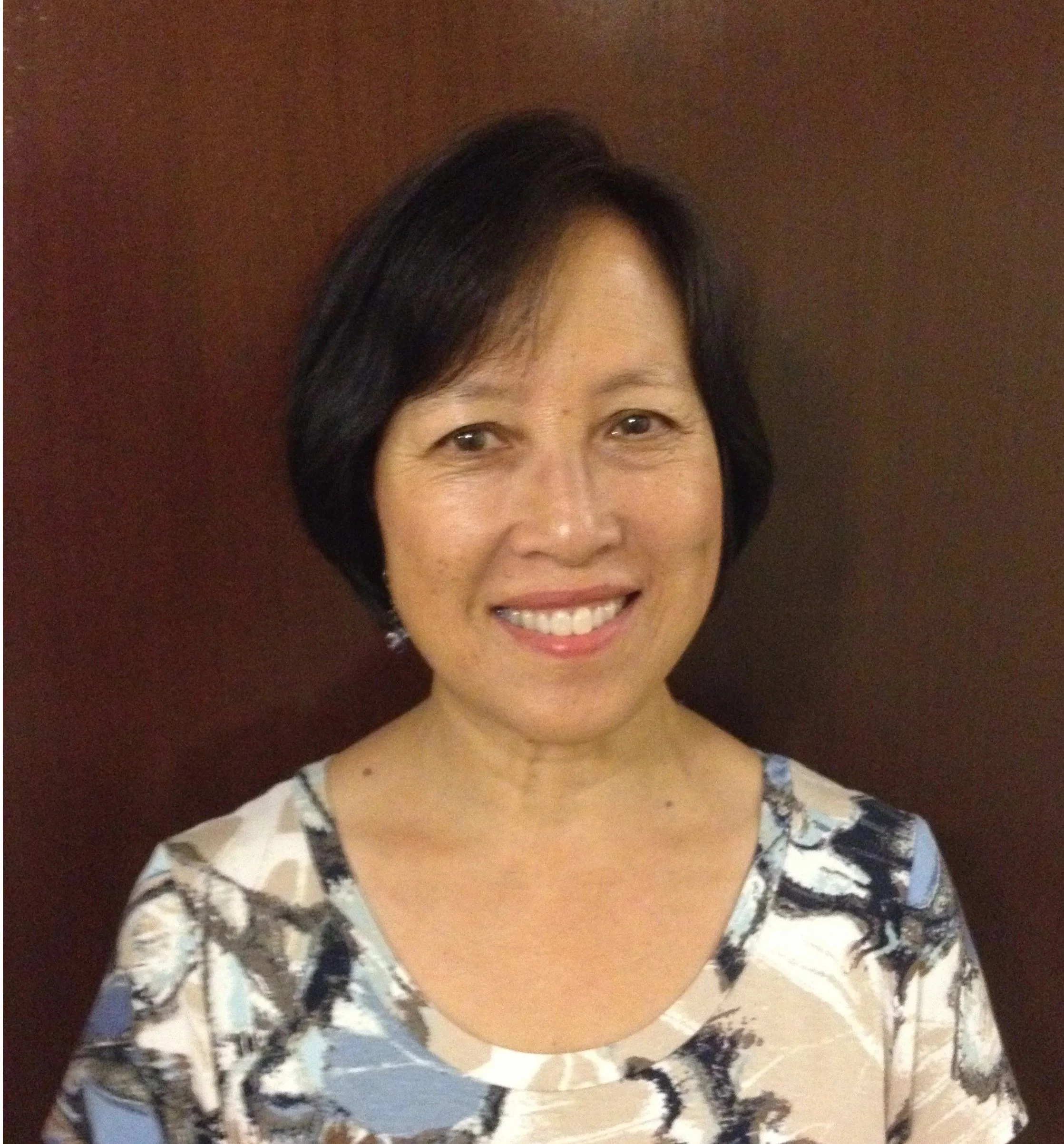
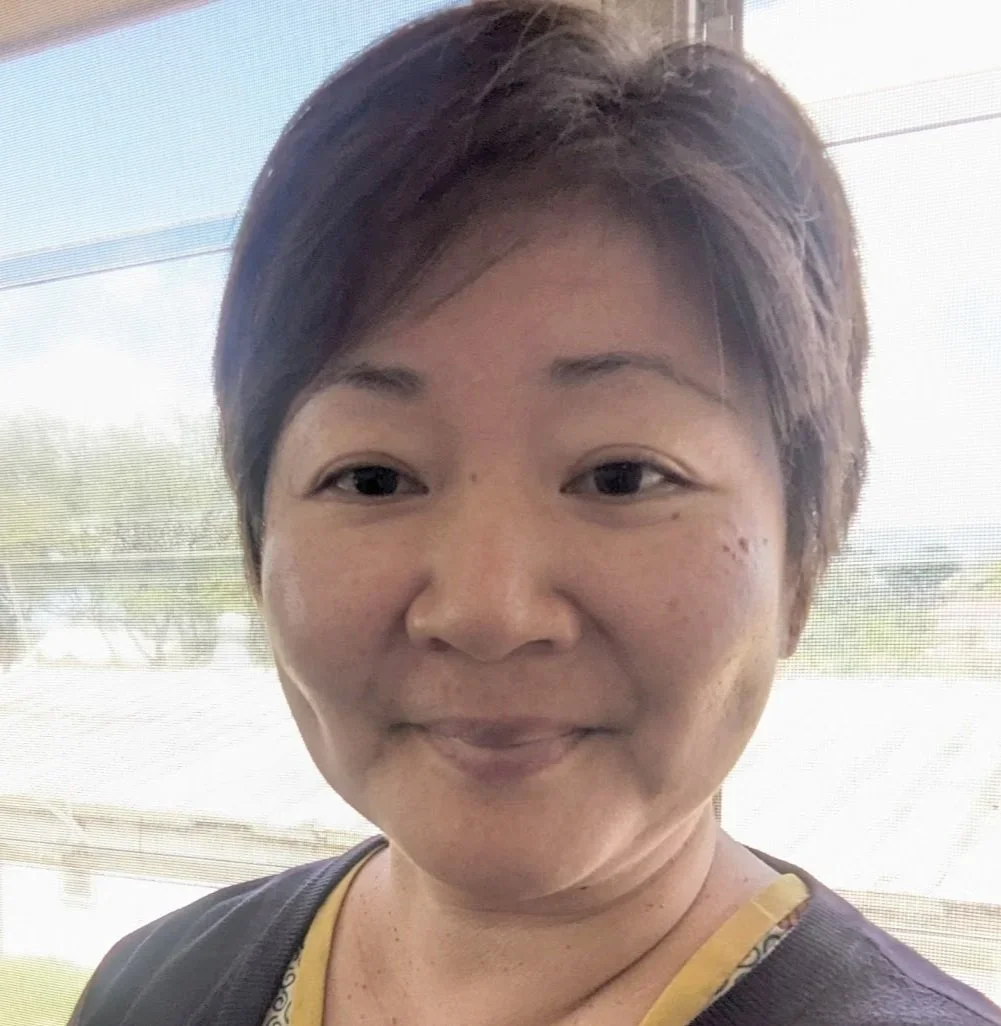
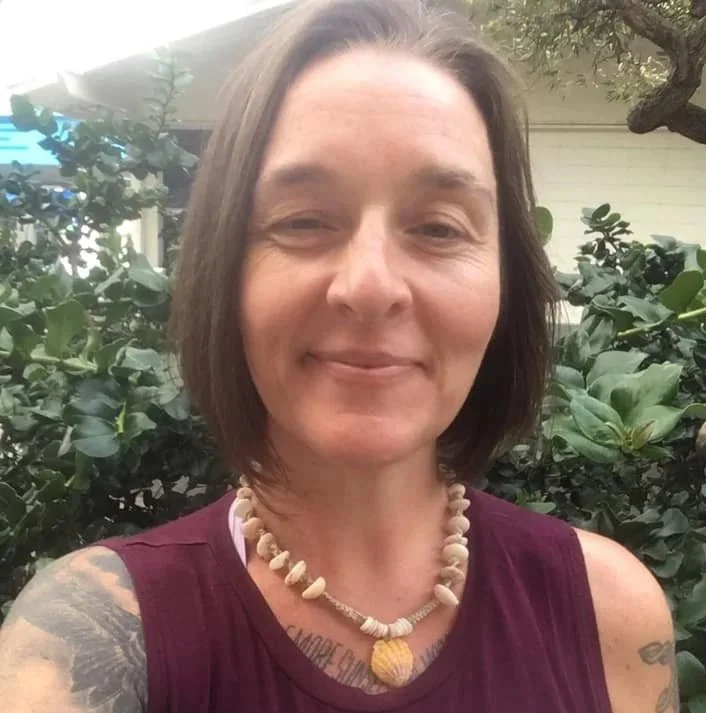
Dr. Terry Lock has spent over four and a half decades in the field of early childhood education (ECE), teaching children, parents, and college students; administering county, state, national programs; and working as a consultant. In the 1970’s, while working on her master’s degree at Pacific Oaks College in CA, she was mentored by Louise Derman-Sparks, an internationally respected anti-bias educator and the co-author of Anti-Bias Education. Dr. Lock received her Education Doctorate in Educational Professional Practice (Ed.D.) from University of Hawaiʻi at Mānoa (UHM) College of Education (COE), where she currently directs the Hawaiʻi Early Childhood Educator Excellence and Equity (ECE3) Project focused on transforming early childhood teacher professional preparation programs and compensation/ financing systems. Besides anti-bias education, her other research interests are play-based and project-based learning, preschool through third grade alignment, pedagogical leadership, and integrated workforce and professional learning systems. Dr. Lock and her husband, Stephen, have three adult children and six grandchildren.
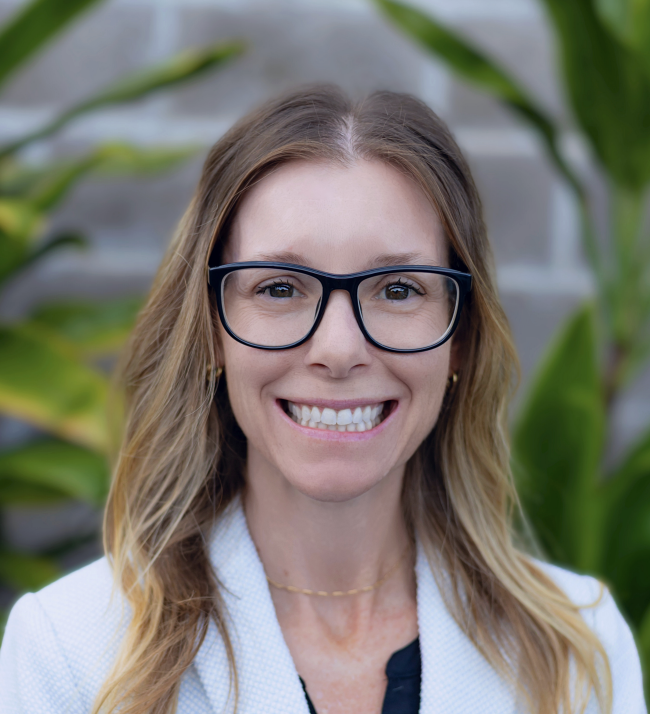
Alexandria Sisson is a former Montessori educator, certified in EL I-II and Anti-Bias, Anti-Racist Teaching from MACTE and AMS, respectively. After graduating from Leiden University College the Hague, Alexa taught general education and Hawaiian studies to a mixed-age classroom for students aged 6-9 years old, and served as DEI coordinator at Montessori Community School, working with students aged 2-12. Alexa is currently completing her MPA and certificate in Public Policy at UH Mānoa, and works as a graduate assistant for the Early Childhood Educator Excellence and Equity Project. If not at the university, Alexa can be found at yoga studios across the island as a RYT-500 and councilmember of CorePower Yoga’s national DEIB council.
Dr. Jennifer Dempsey is currently the Director of Teaching and Learning at the Montessori School of Maui. Before transitioning to this administrative role, she was a classroom educator for nearly 20 years. She has worked in both public and independent school settings with children aged 2 to 12. She earned her Hawai’i teaching license for K-6th grade and is also a certified literacy specialist. Additionally, she is accredited as a structured literacy educator through CERI and holds Orton-Gillingham certification at the Associate Level. Jen earned her American Montessori Society Elementary I certification along with a master’s degree in elementary education with a focus in Montessori studies. She recently earned a doctorate in Reading Science from Mount St. Joseph University. She is passionate about the science of reading, structured literacy, evidence-based reading instruction, and bridging the research-to-practice gap to ensure all students have access to equitable, high-quality literacy instruction.
Dr. Jingwoan Chang was born in Taiwan and raised in Singapore. Jingwoan conducted her doctoral dissertation research on social justice education in Hawaiʻi in the Curriculum Studies Department in the College of Education, University of Hawaiʻi at Manoa. She taught Mandarin Chinese for over 16 years, mostly in K-12 classrooms in Chicago and Honolulu, and has Master's degrees in history and East Asian Languages and Civilizations. Jingwoan currently supports the World Languages program in the Office of Curriculum and Instructional Design for the Hawaiʻi State Department of Education.
Valley Varma has been working with young children and their ohana for 30 years in California and in Hawaii. Currently Valley spends her days with toddlers and two year olds at the University of Hawaii Children's Center (UHMCC). Valley attended Pacific Oaks College where she received her Bachelor's degree in Human Development with an emphasis in Social Change. It was here where she was first introduced to anti bias education. Having recently been awarded her Masters degree in Curriculum Studies with a focus on Early Childhood Education from the University of Hawaii at Manoa, Valley teaches Early Childhood Education courses at both Maui College and Honolulu Community College. This is her "side hustle".

