Chinese History and the Au Family Home Assembly

Mahalo to the Au Family for Our School’s New Adjacent Property

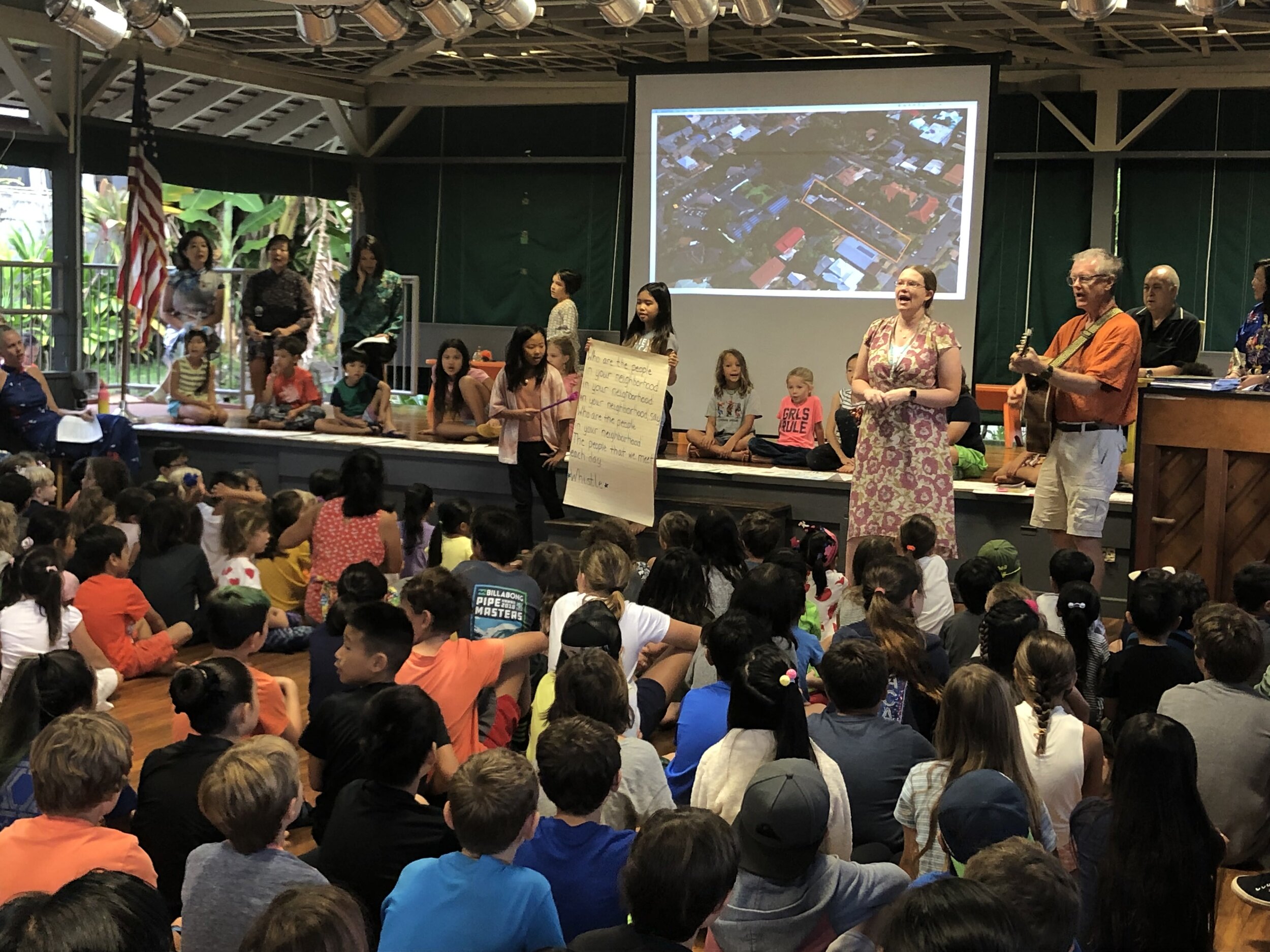
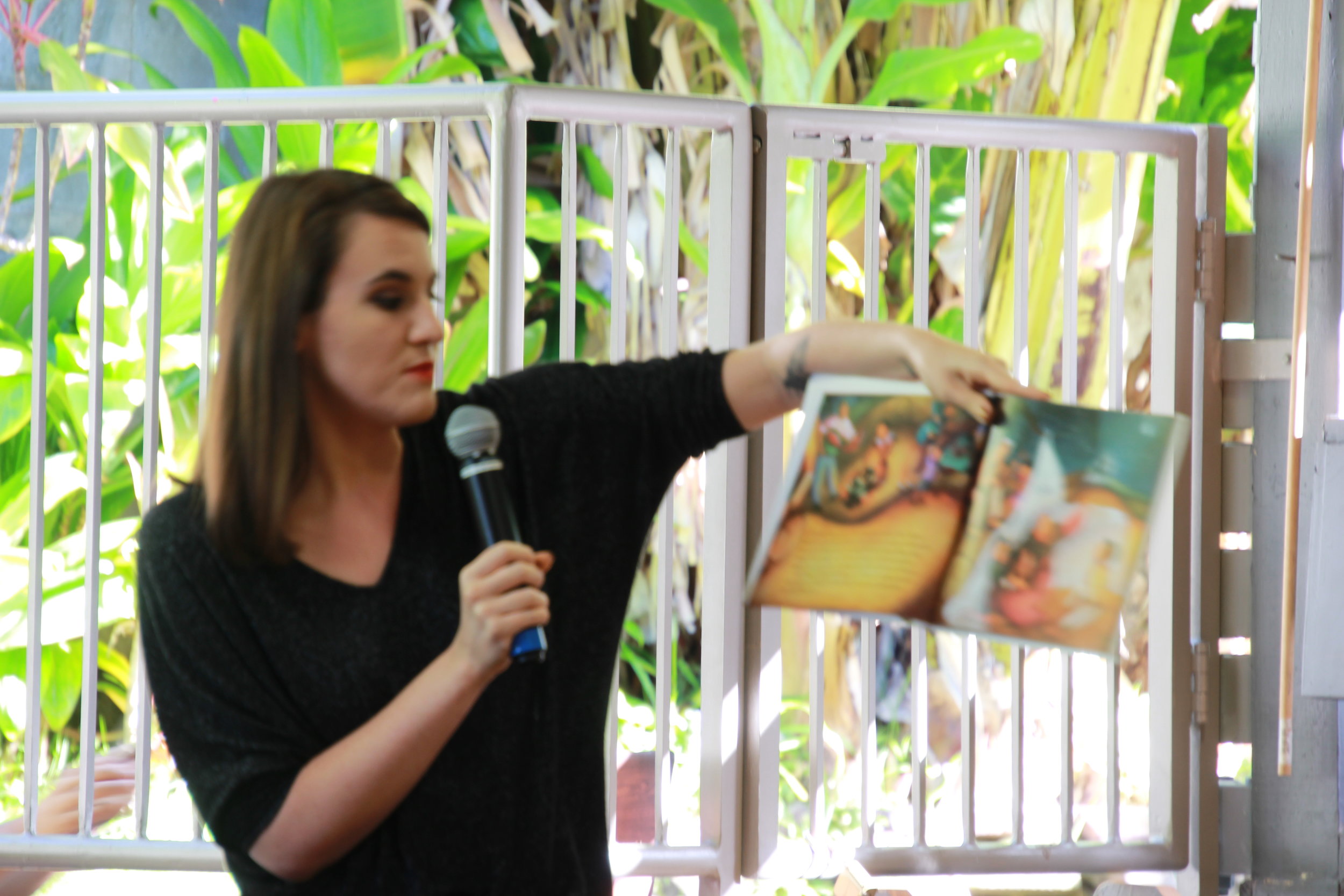
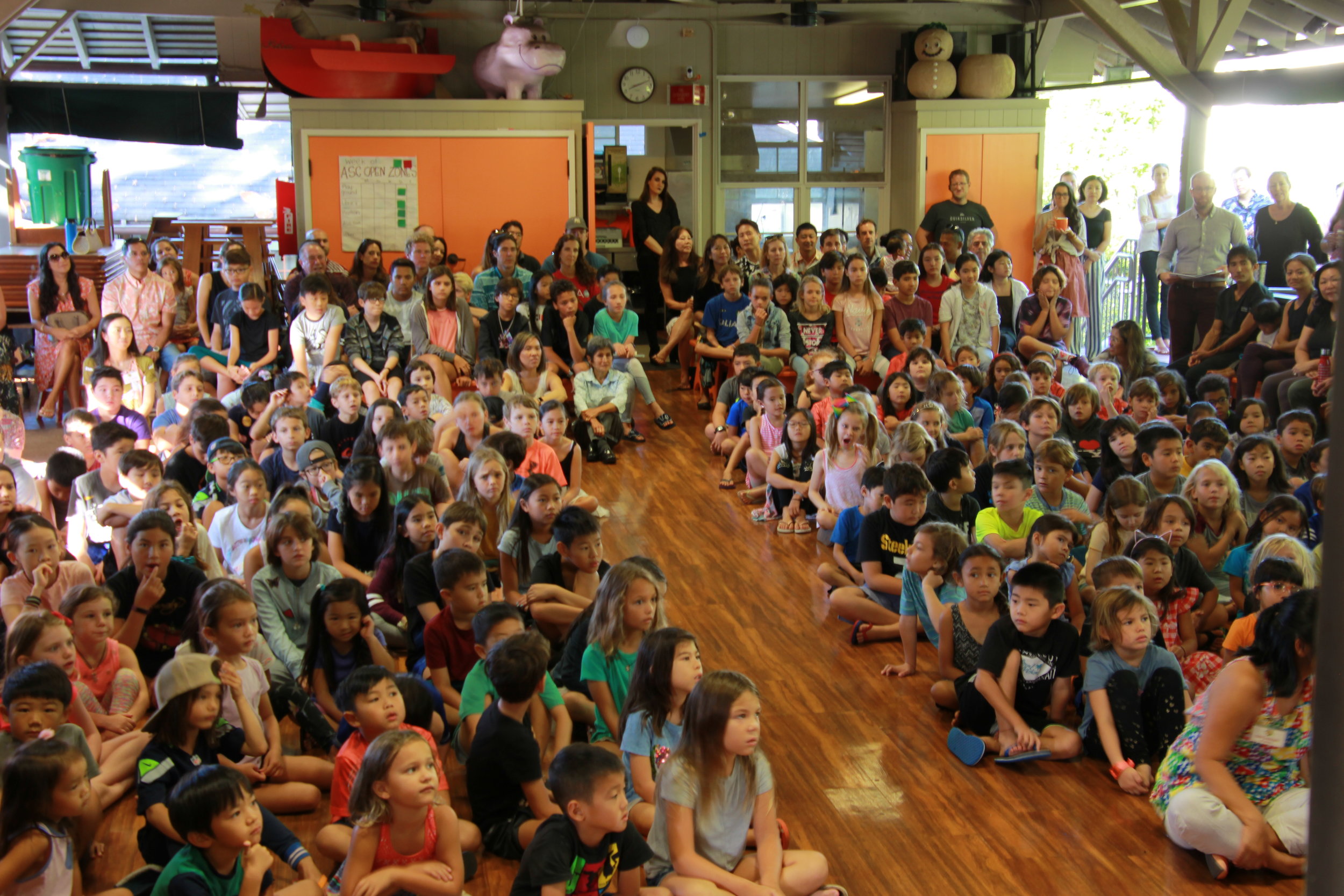
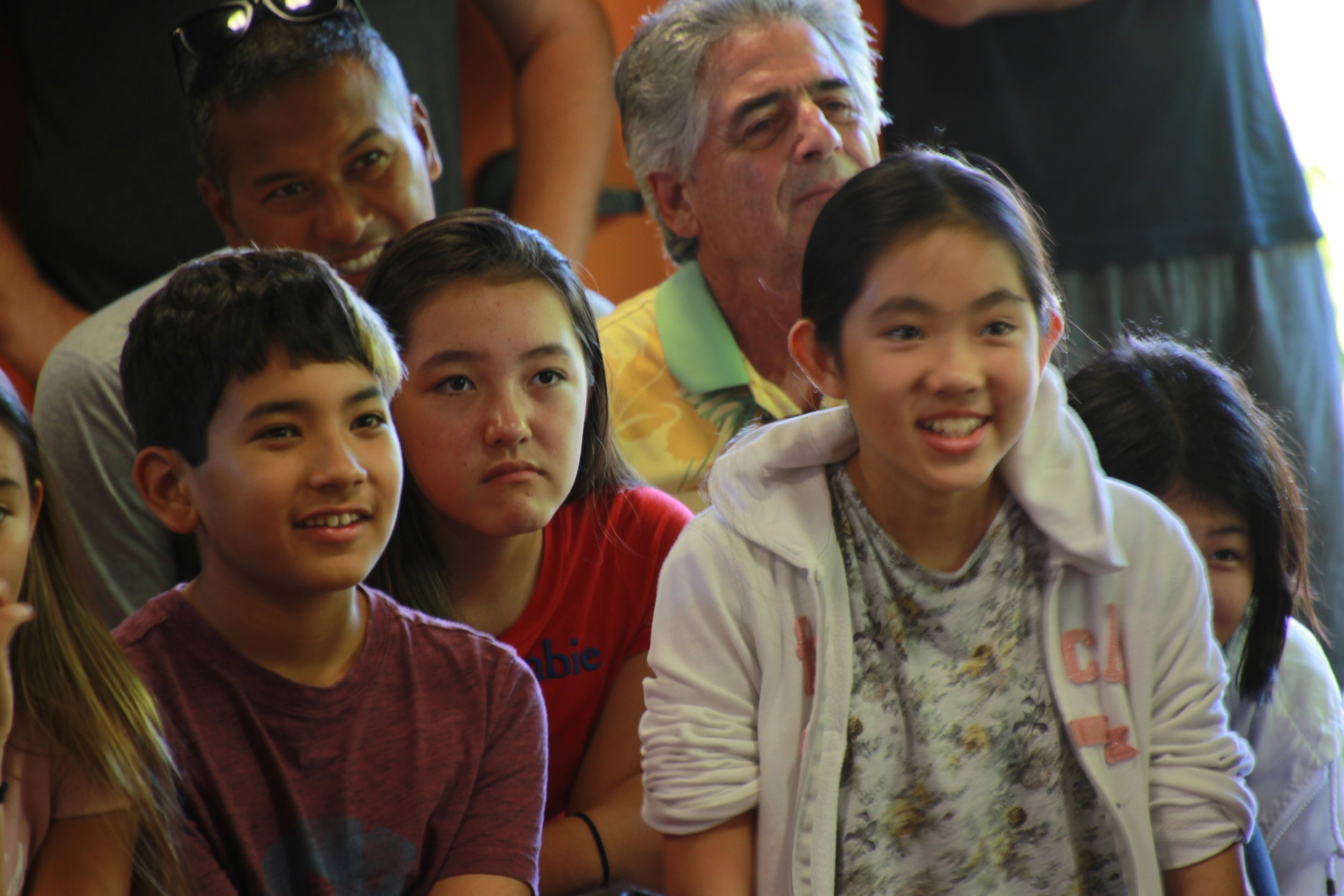
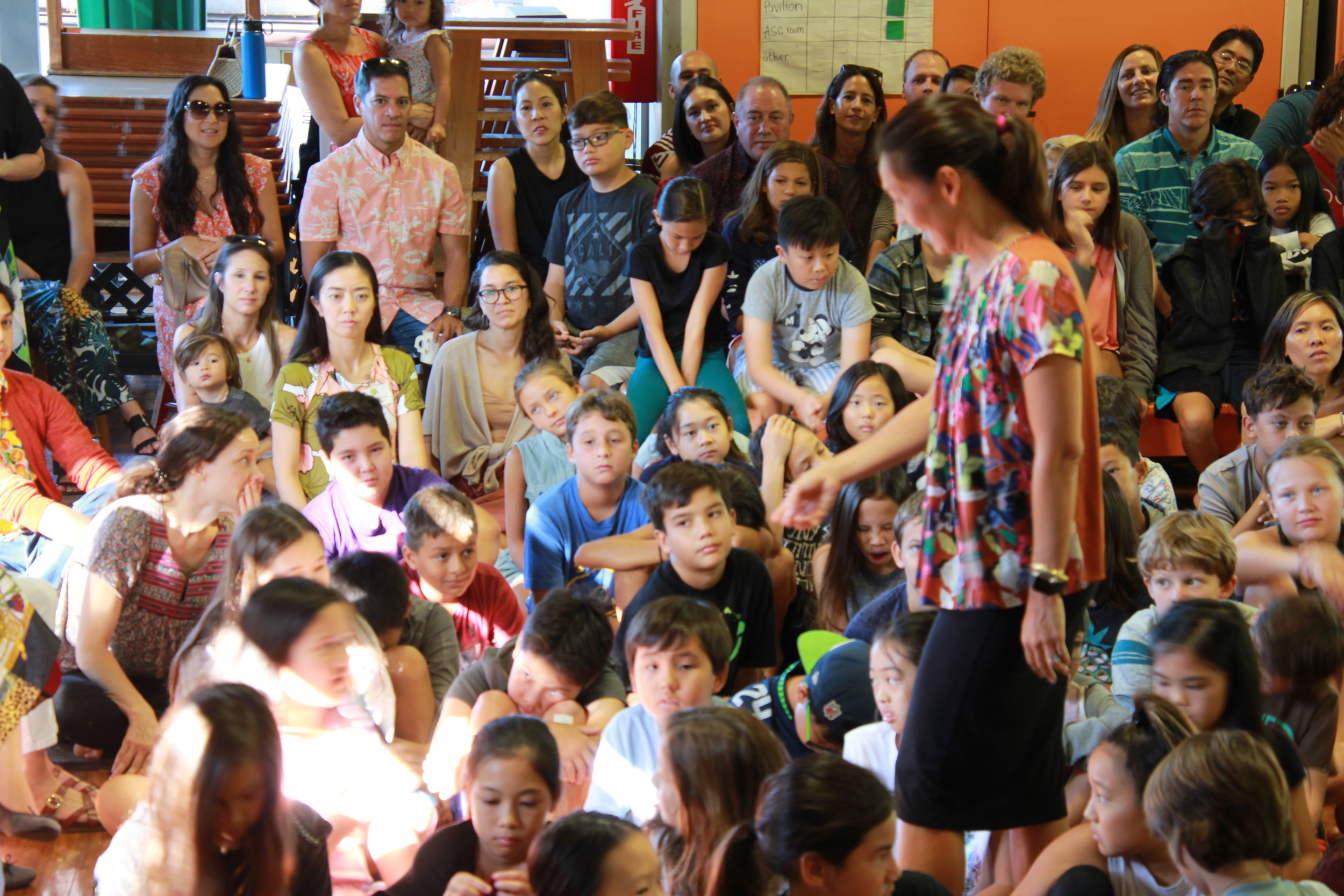
Today's assembly was devoted to learning more about the new property that the school recently purchased and the family who owned it -- Lai Fong Au and her husband, Edward S.H. Au. We are lucky that their grandson, Robert Au, was at assembly to share his stories growing up on the property.

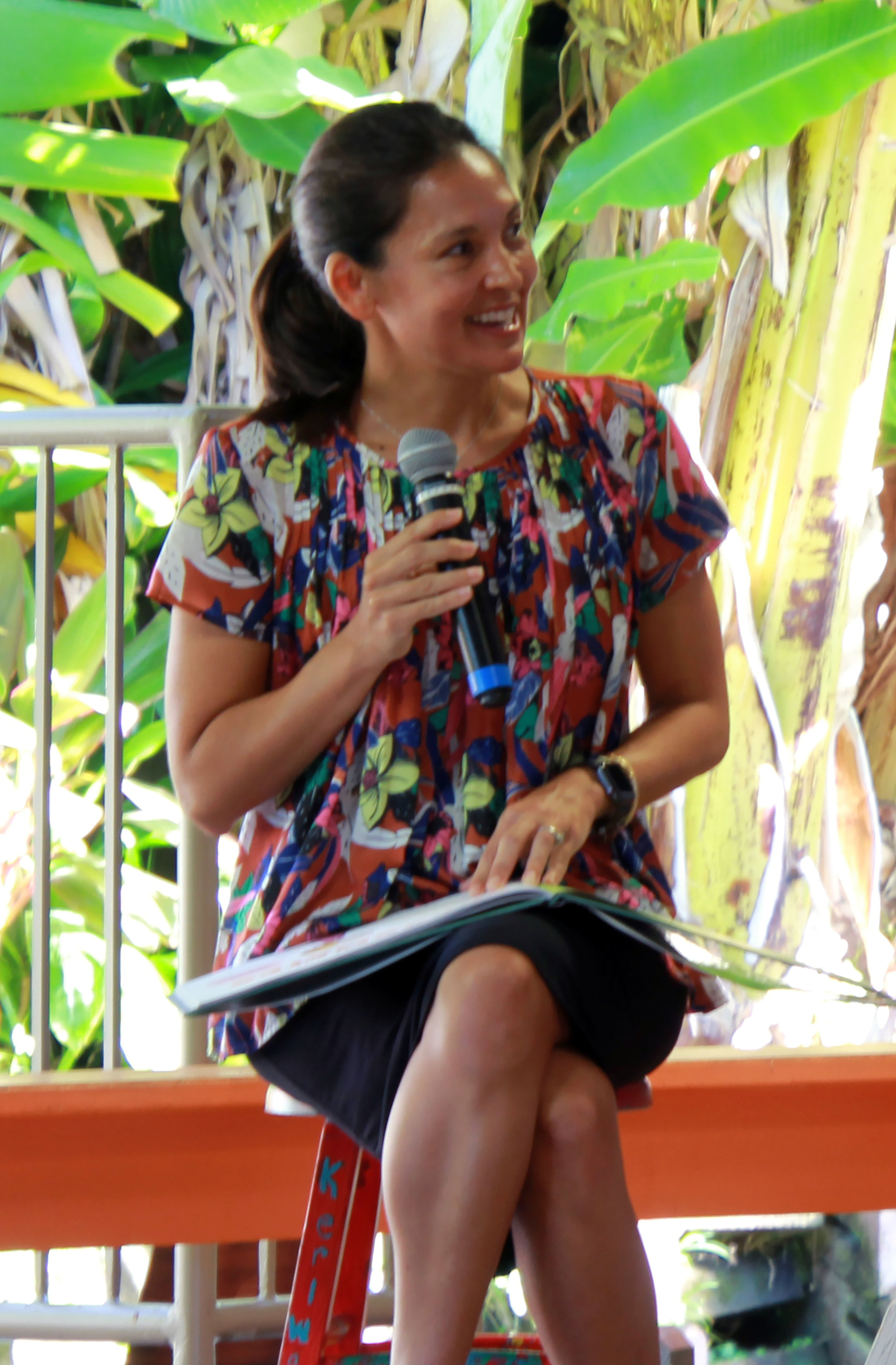
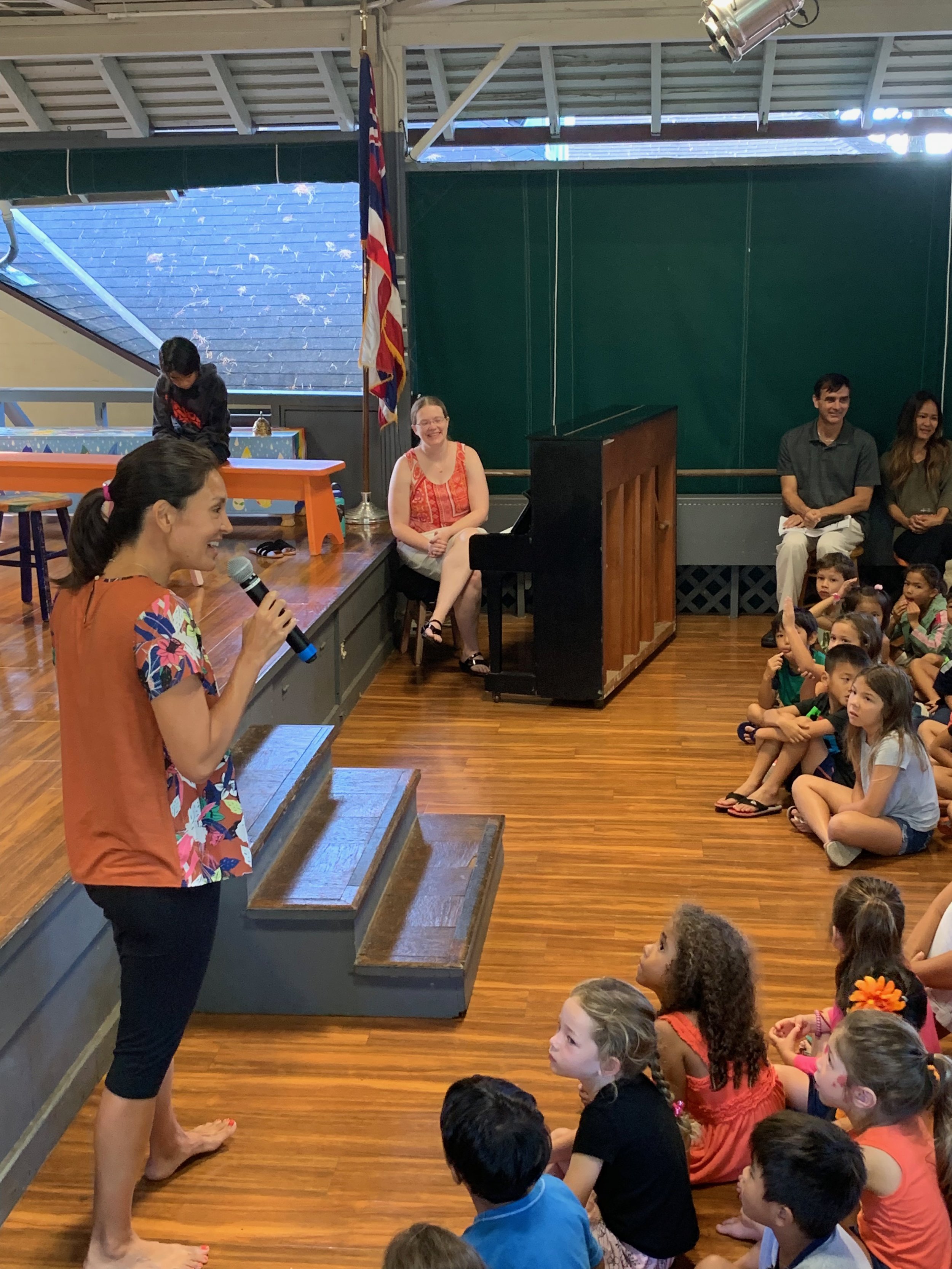
The Assembly started with everyone singing, "Who are the People in your Neighborhood?" which is a Sesame Street song. Ms. Woo started the assembly by sharing that the school started a long time ago thinking about expanding the campus. During Centennial Year, the Au family approached the school and asked if we were interested in buying the property and we said, "Yes!" She mentioned that the Board of Trustees helped to make these big decisions for the school.

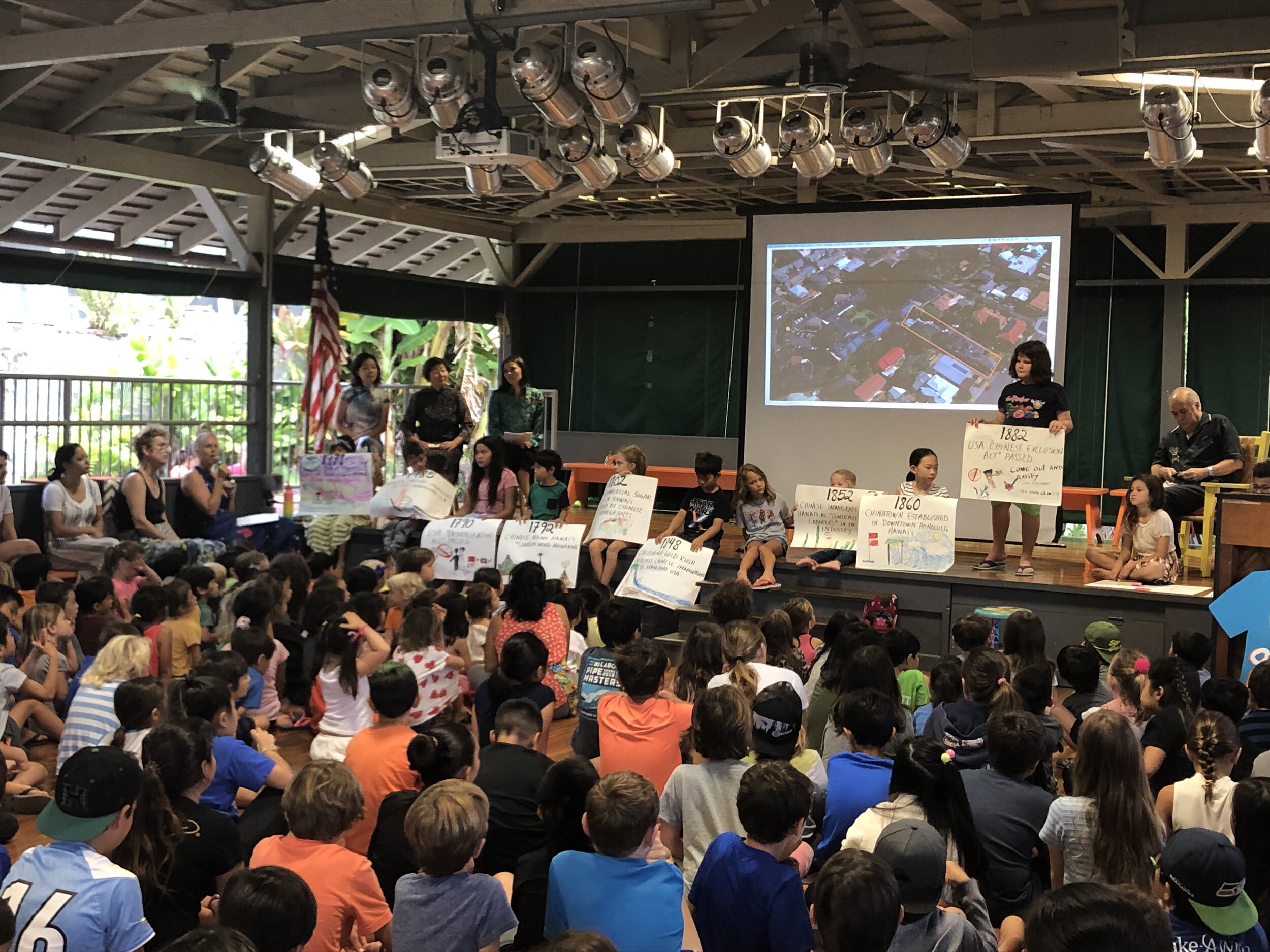
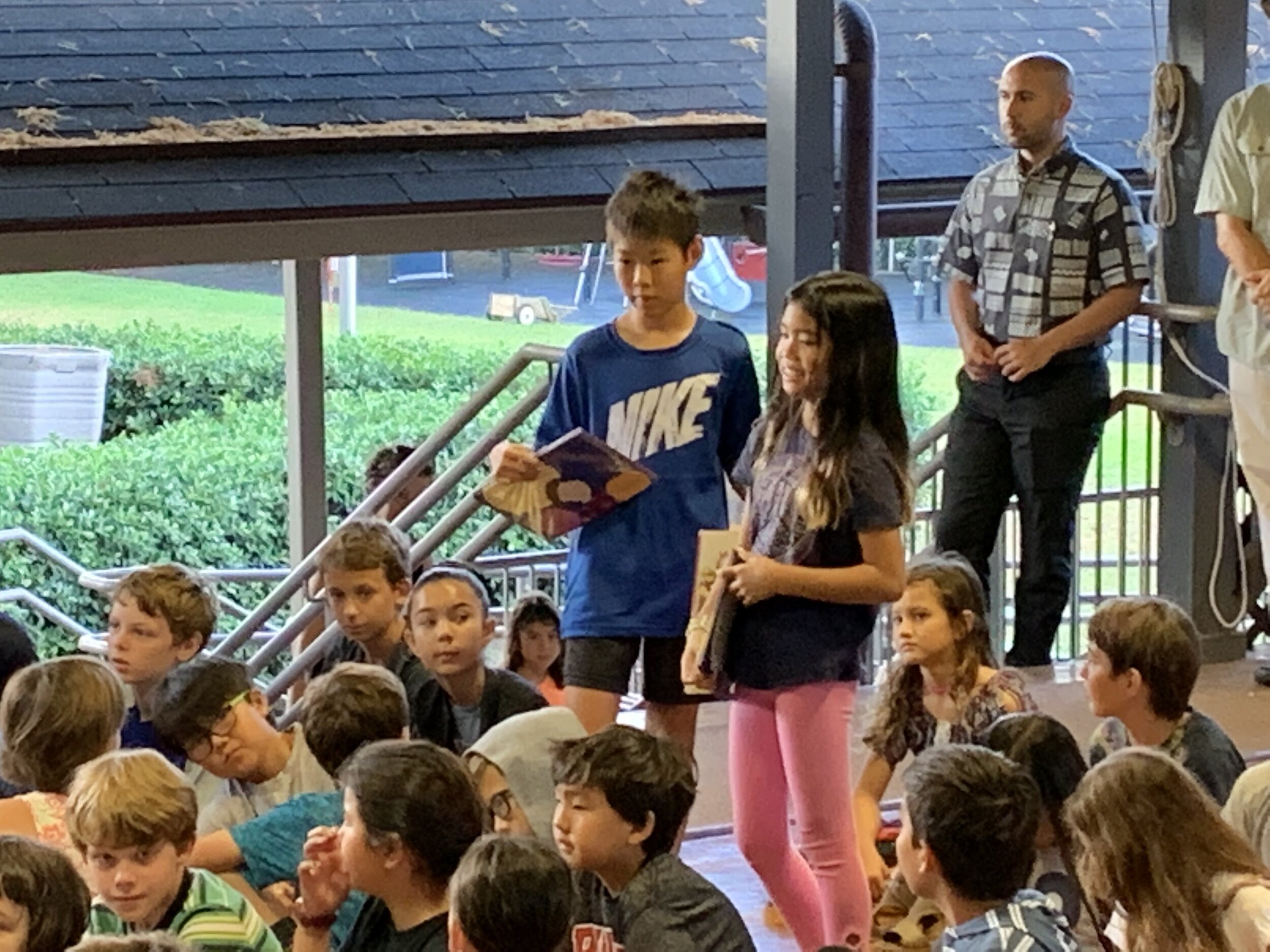
Dr. Makaiau shared the timeline of how the Chinese immigrated to the US and to Hawaii. Students shared signs they made of key dates to show us the order of the events that happened in history and to see how one event may have caused or led to another. The Chinese sailors joined Captain Cook's Voyage to Hawaii in 1778 and went to the mainland in 1785. When they came, the Chinese did not have the same rights as people with white-colored skin. Chinese started the first commercial sugar business in Hawaii in 1802 and became contract laborers in the sugar industry in 1852. Honolulu's Chinatown was started in 1860.

In 1882, the USA Chinese Exclusion Act was passed meaning that the Chinese could no longer immigrate to the US. We saw a video on the Chinese Exclusion Act and Laoshi asked about what we say and how did the video make us feel.

As Hawaii was not part of the US at this time, many Chinese came to work on the plantations in Hawaii.

Mrs. Wong told us the story about Lai Fong Au family. They got married in 1911 and Lai Fong was a picture bride which meant their marriage was arranged and she was picked from a picture to marry Mr. Au by his parents. Edward Au did not return home to Hawaii right away but fought in the Chinese Revolutionary War in 1911 led by Dr. Sun Yat-Sen to free the Chinese people from the tyranny of the Qing Dynasty. They succeeded and Dr. Sun Yat-Sen is now known as the Father of the Nation in China. He is well-known in Hawaii too because he studied at Punahou and Iolani before the revolution began.

Mr. Edward Au brought Lai Fong back to Hawaii and they became entrepreneurs and opened up their own business. The Lai Fong Department store on Nu‘uanu Avenue opened in 1947. One half of the store was a travel agency and the other half was for selling all sorts of things such as porcelain, furniture, jewelry, rugs, cloissoné and antiques. Lai Fong was a dress designer and also sold the Chinese traditional dress, cheongsams. Mrs. Chen wore her cheongsam and modeled it for us.

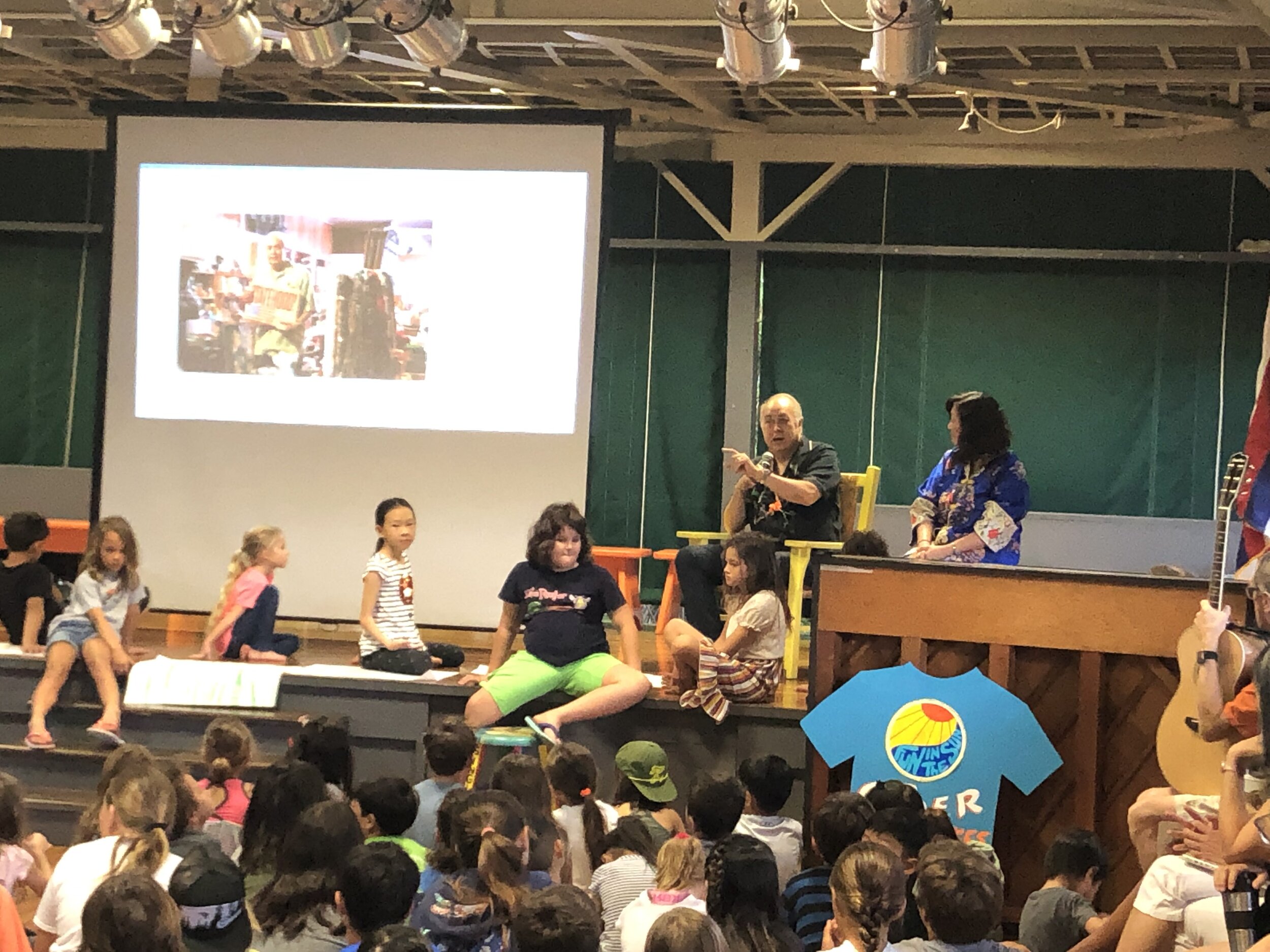
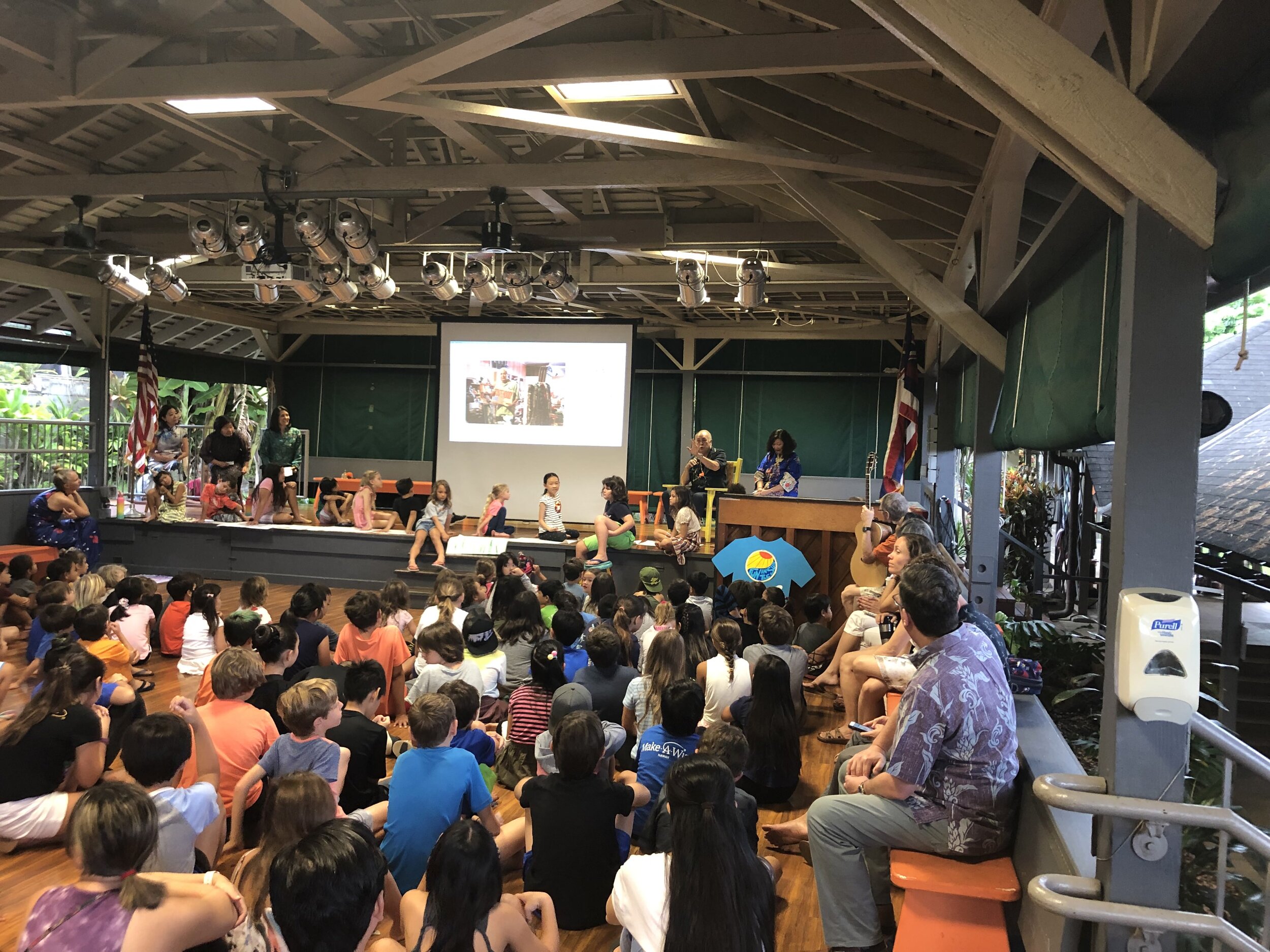
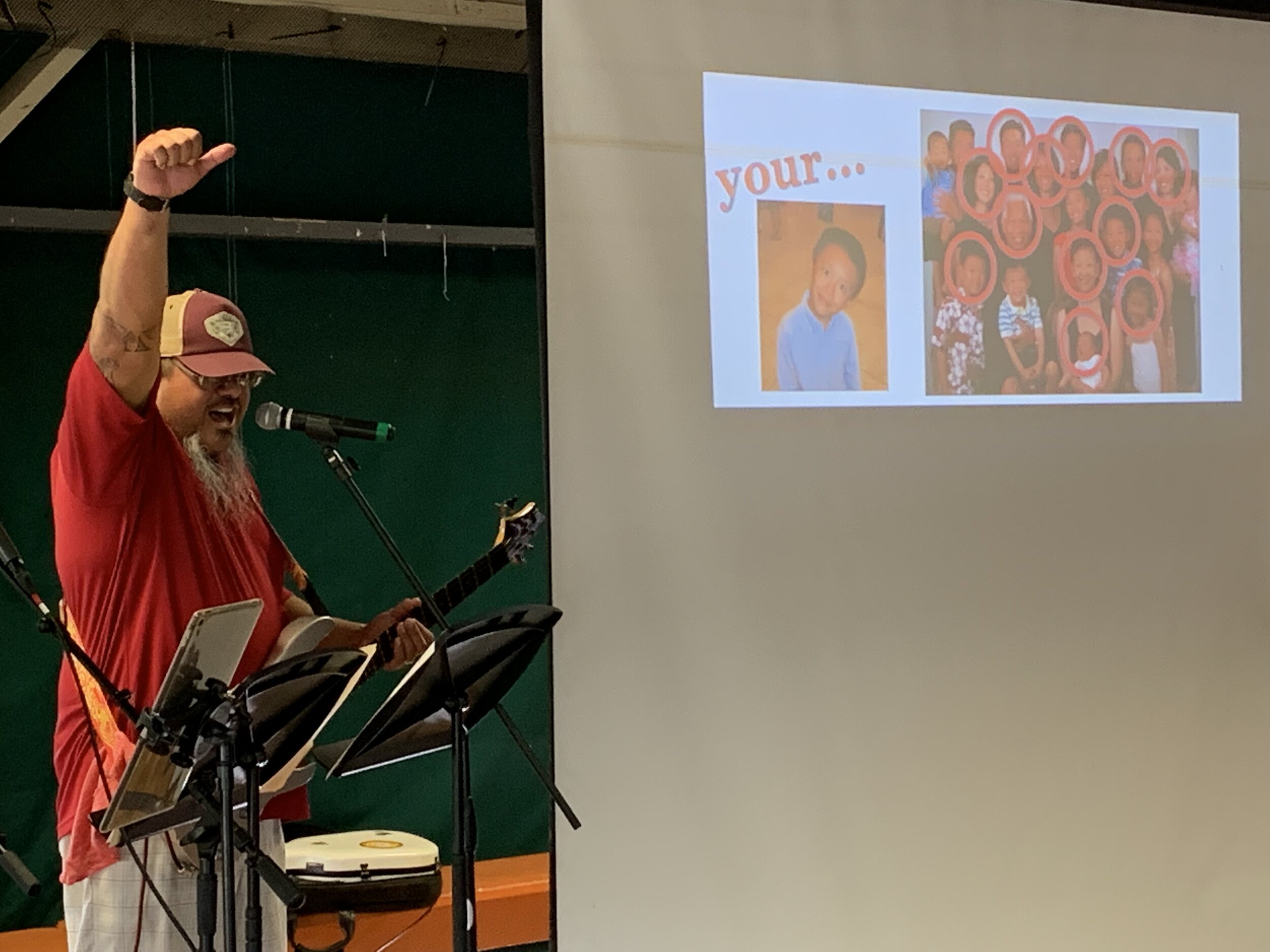
Grandson, Bob Au, fielded questions from children in the audience and shared stories about how he would sneak over to school to play on the playground and in the trees, but no one at school kicked him out! He remembers having wonderful holidays in the home with the big extended family and going over to play at our school founder, Sophie Judd Cooke's house where he’d pick the largest avocados he’s ever seen in his life! He also shared that his grandparents bought the house because the address is 1911 Ke‘eaumoku Street and 1911 was the year of the Chinese Revolution! We hope Mr. Au will return to share more stories with us again soon!

It was nice to learn more about the history of the property and to meet and hear Mr. Au.

Uncle Masa's Assembly with Mr. Miyamoto

A Fun, Local Welcome to Our Newest ‘Ohana!

By Paige ’20

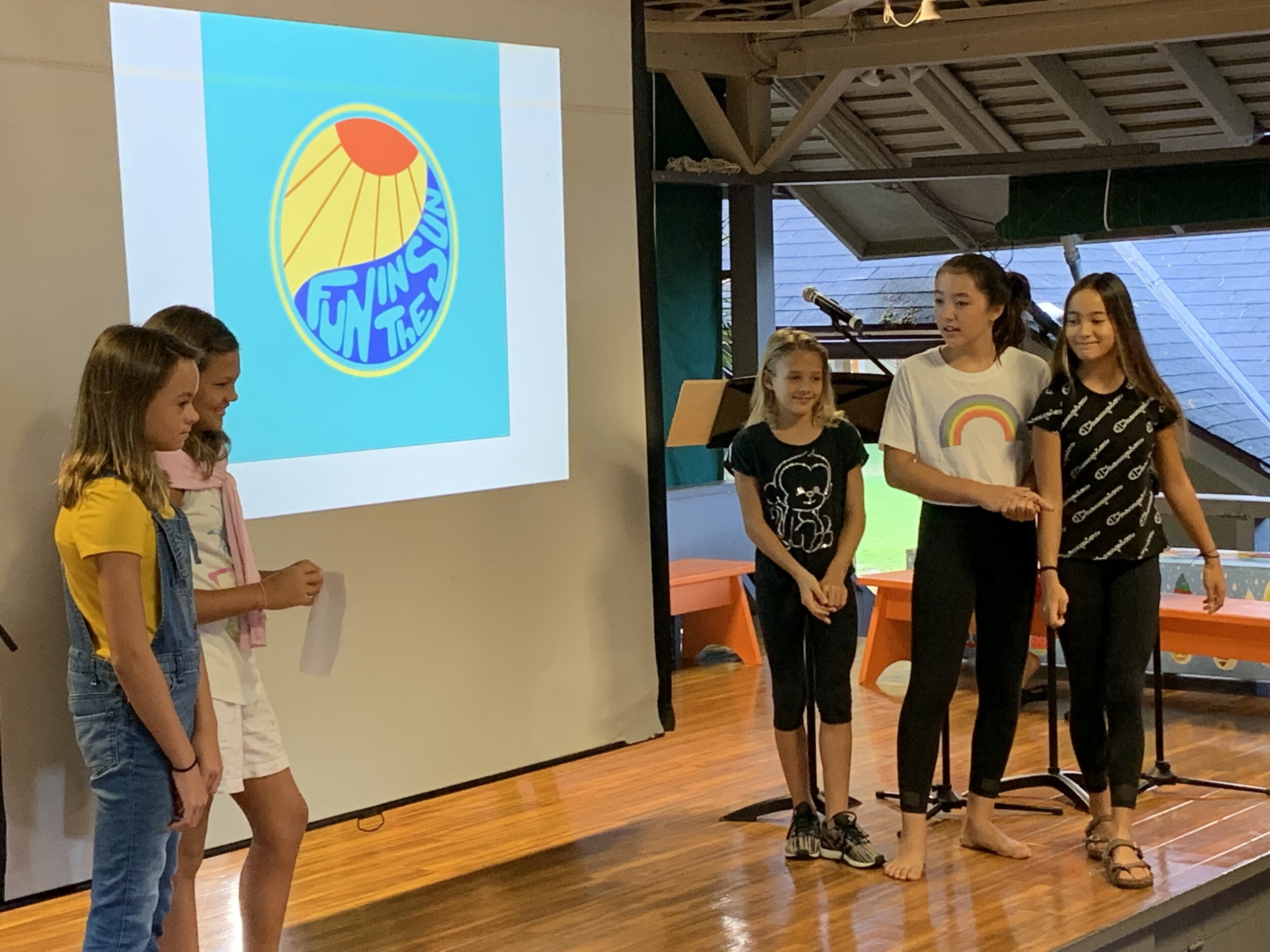
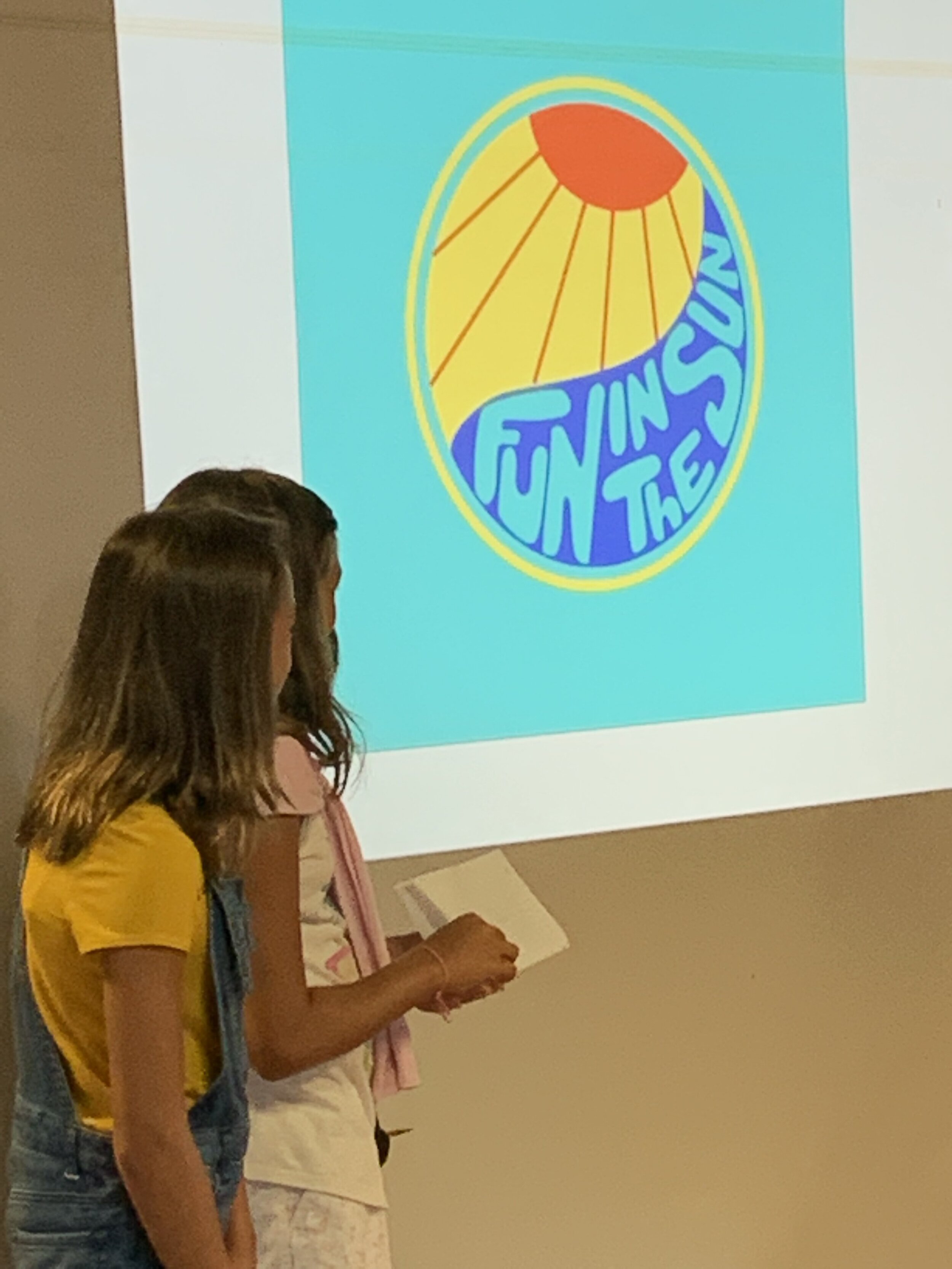
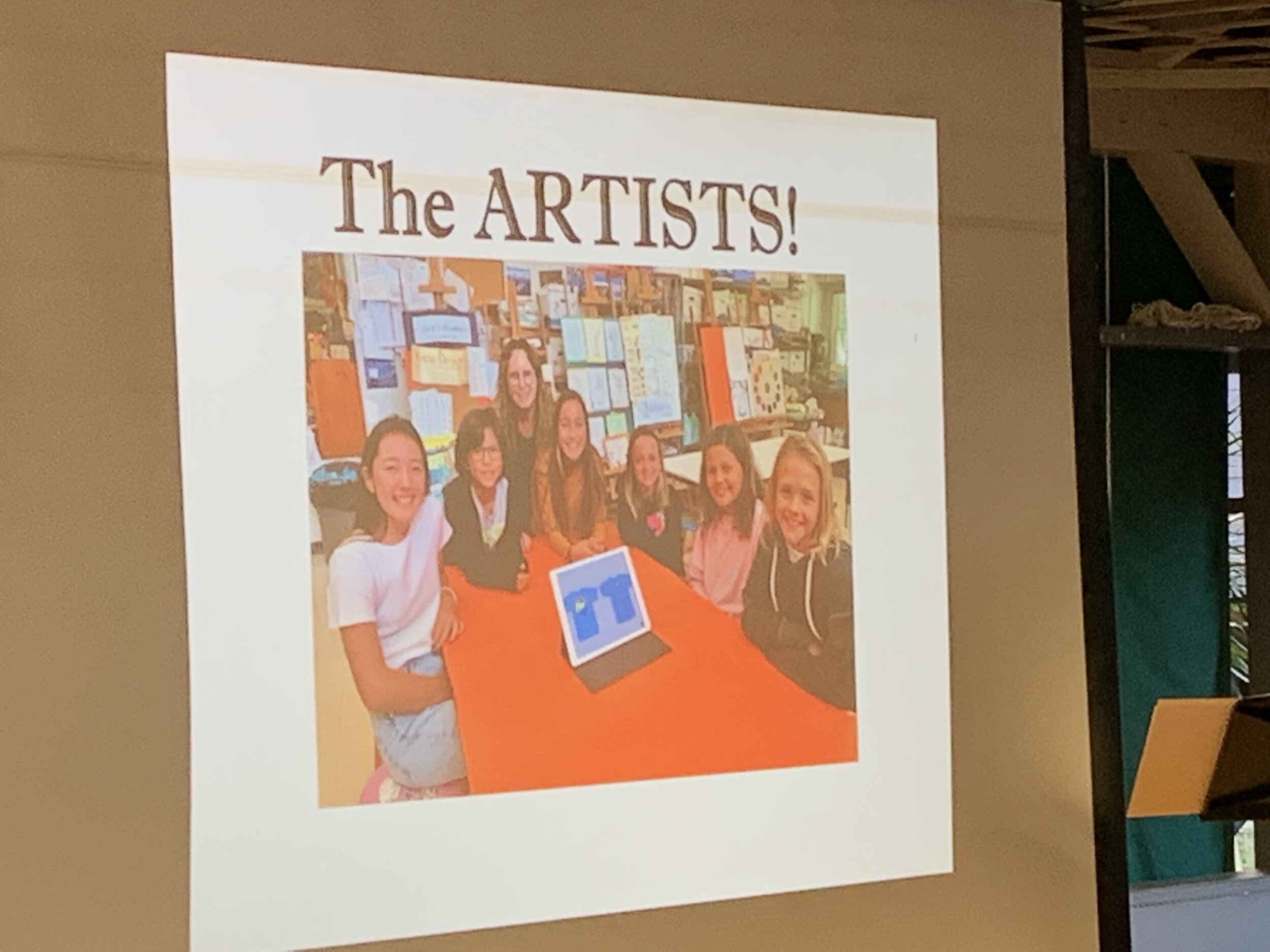
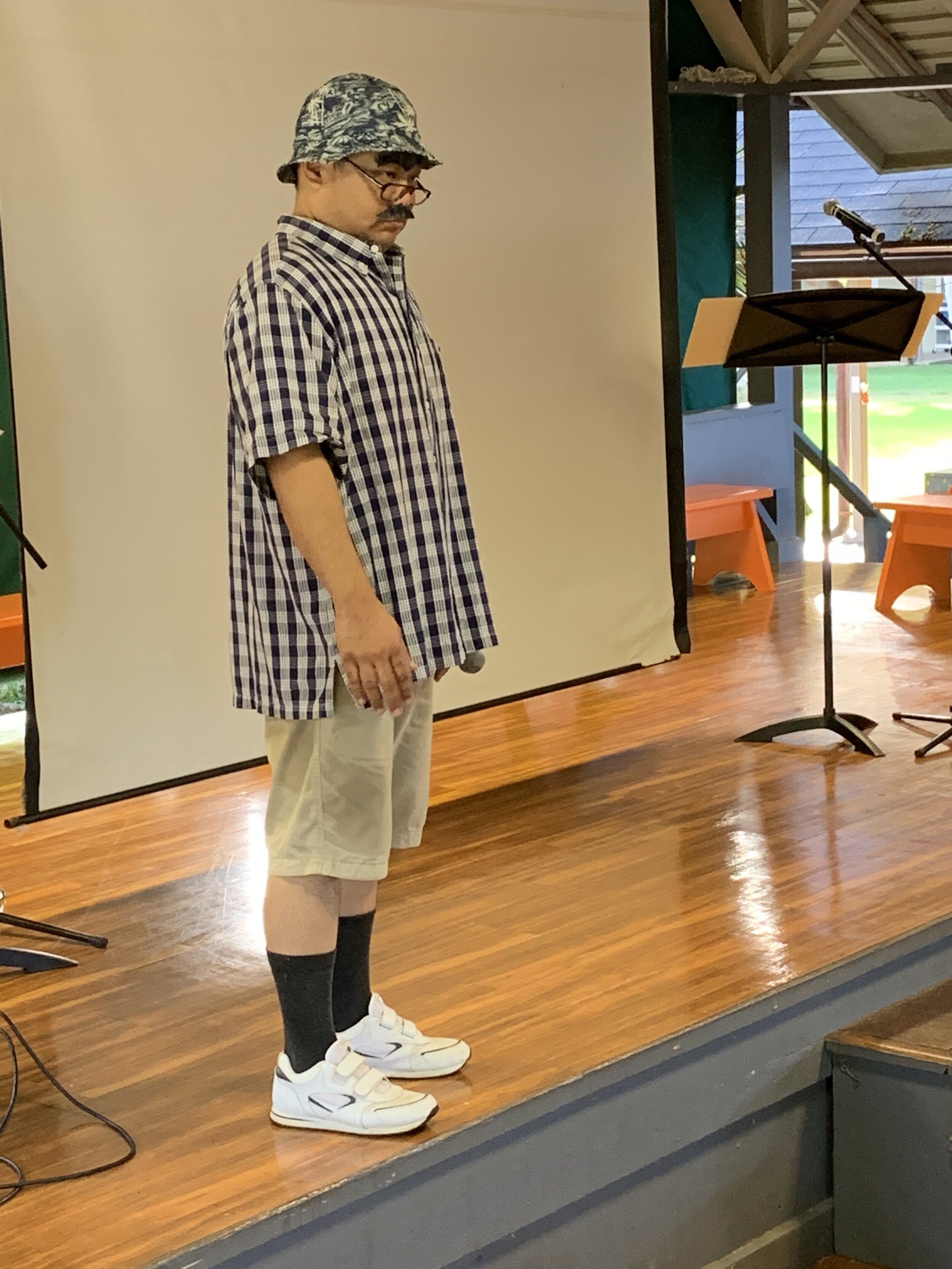
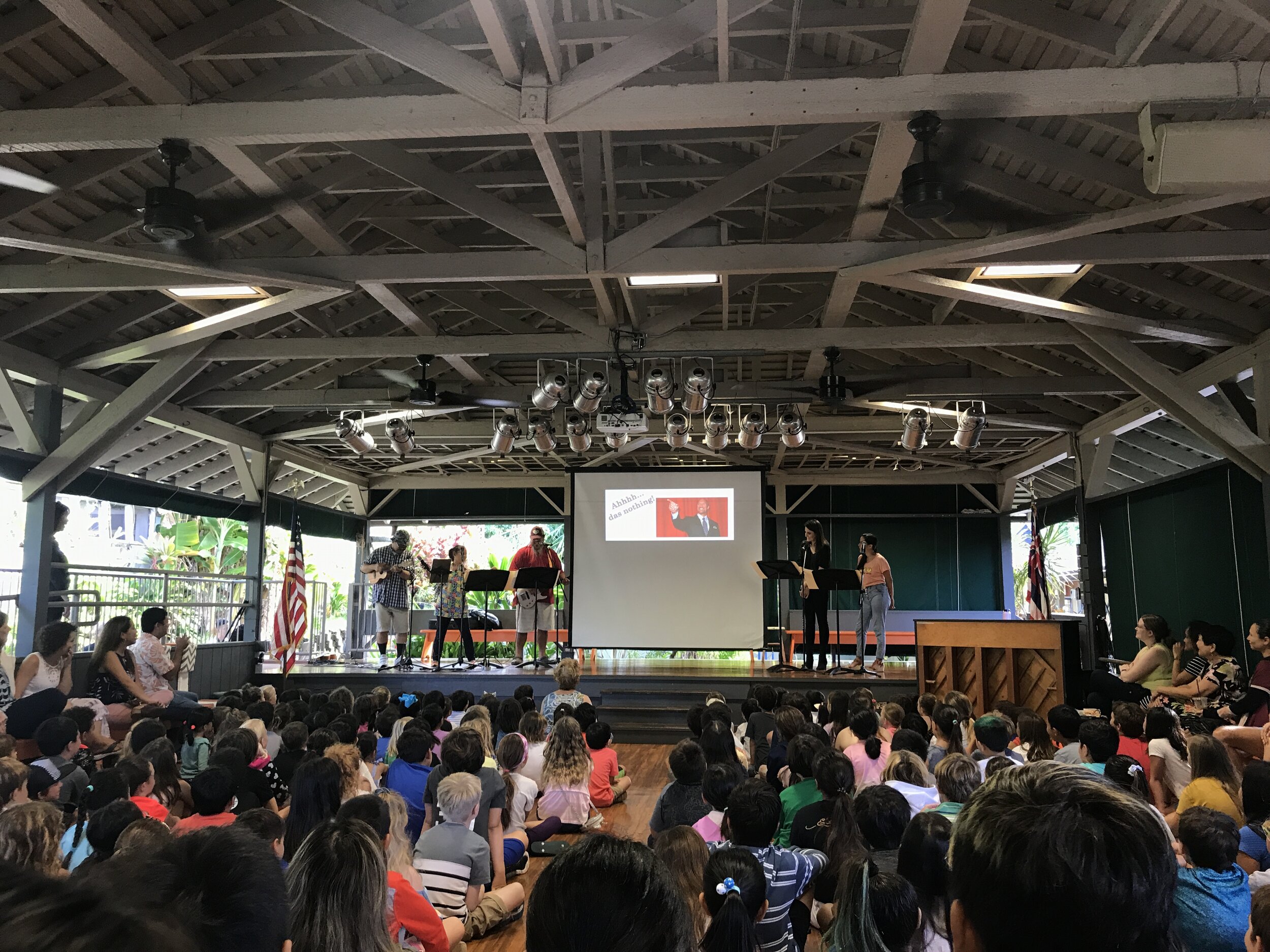
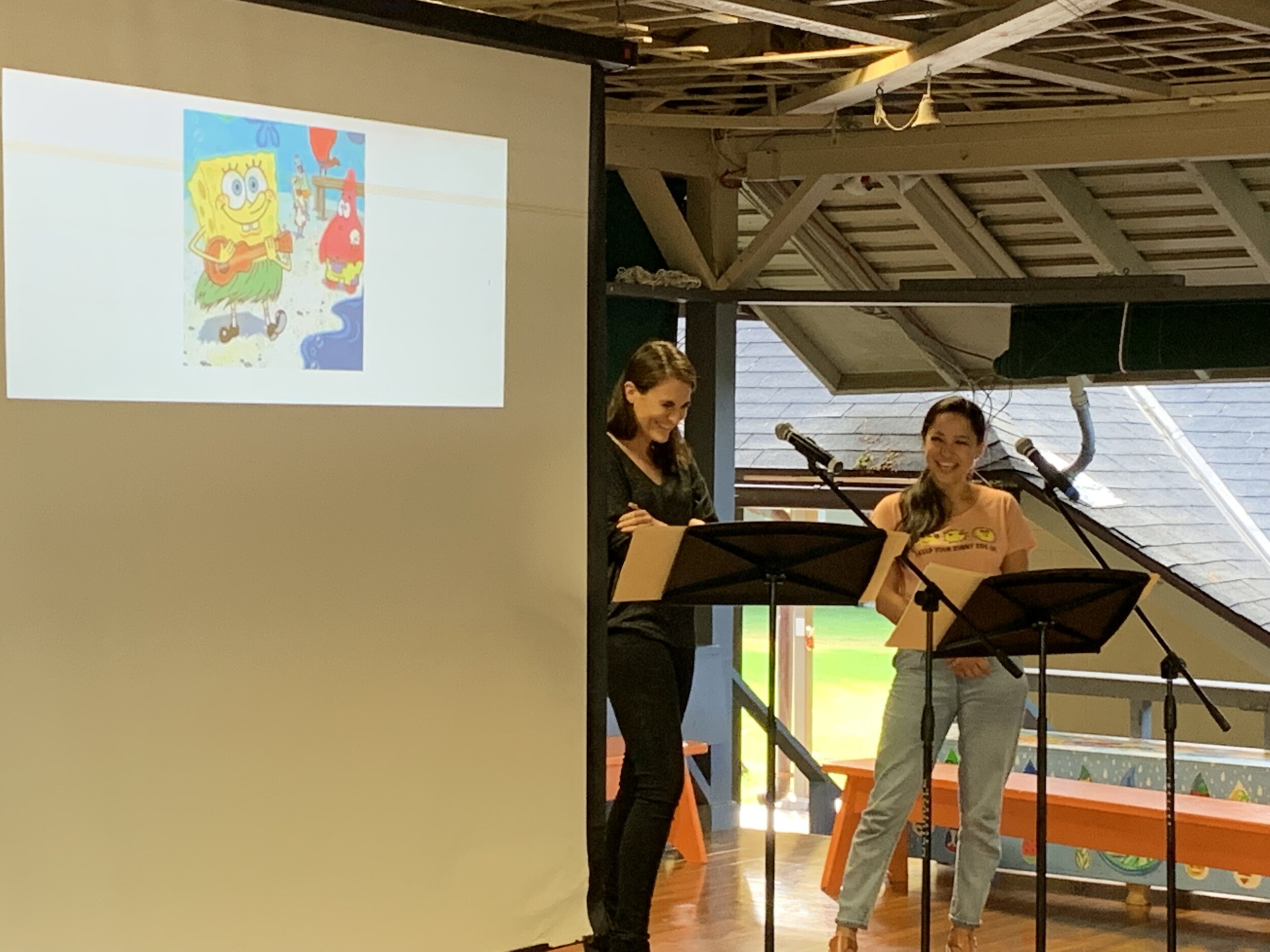
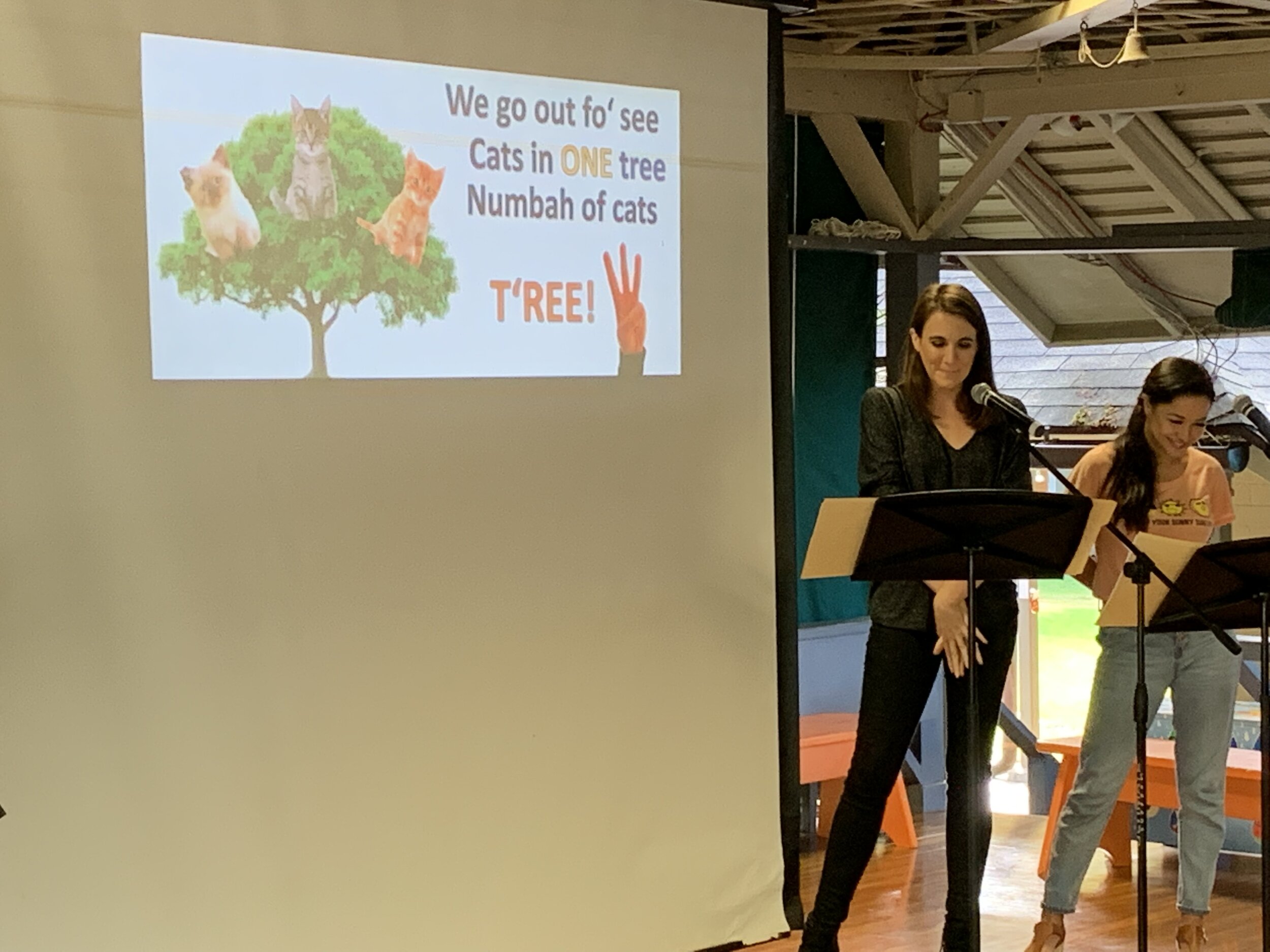
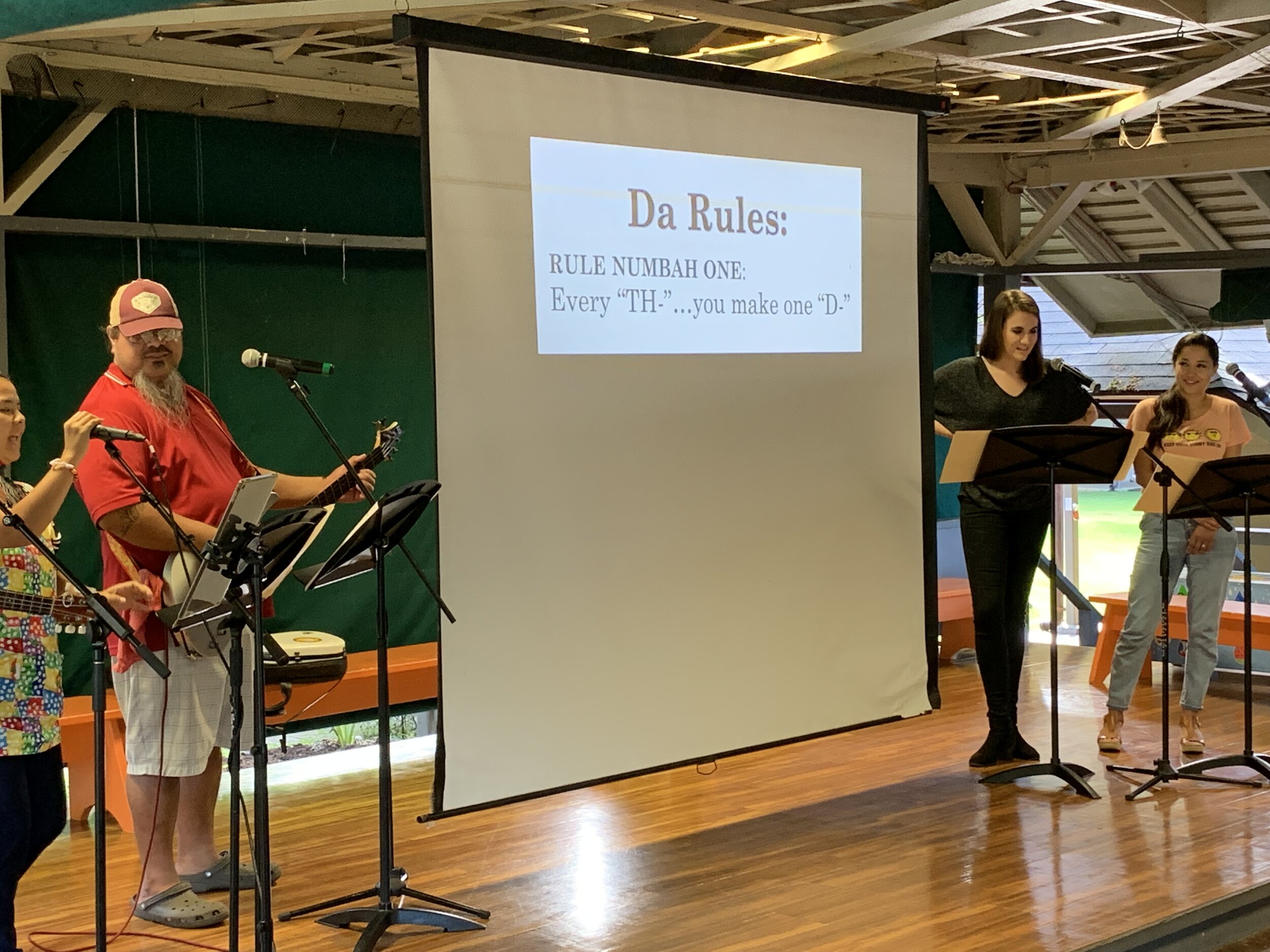
Today, Friday the thirteenth we walked in to the song All I Really Need played by Uncle Blair Sataraka and Uncle Jake Shimabukuro. Our Po‘e Ka‘ahele friends shared that the full moon festival was tonight. We also learned that the new Children’s Fair theme was “Fun in the Sun” and T-shirt logo was designed by: Isabella, Ava, Momoko, Julia, Kaleo and Brielle, in grade 6. Today’s thought of the day was “Happy Aloha Friday, full moon, Friday the thirteenth” by Kulāiwi. This assembly was done by Uncle Masa (Mr. Miyamoto). He had three special guests come up onto stage Ms. Gabby, Mrs. Chris and Ms. Lee Loy, they sang a song that taught us pidgin 101. We also heard a story that told us about Hawaii’s official food, dough. Uncle Masa said that the unofficial, official food of Hawaii is the Spam musubi. Then we ended assembly with our school song.

Why We Celebrate Labor Day

Why We Celebrate Labor Day Assembly with Ms. Gabby

By: Lyric ’20


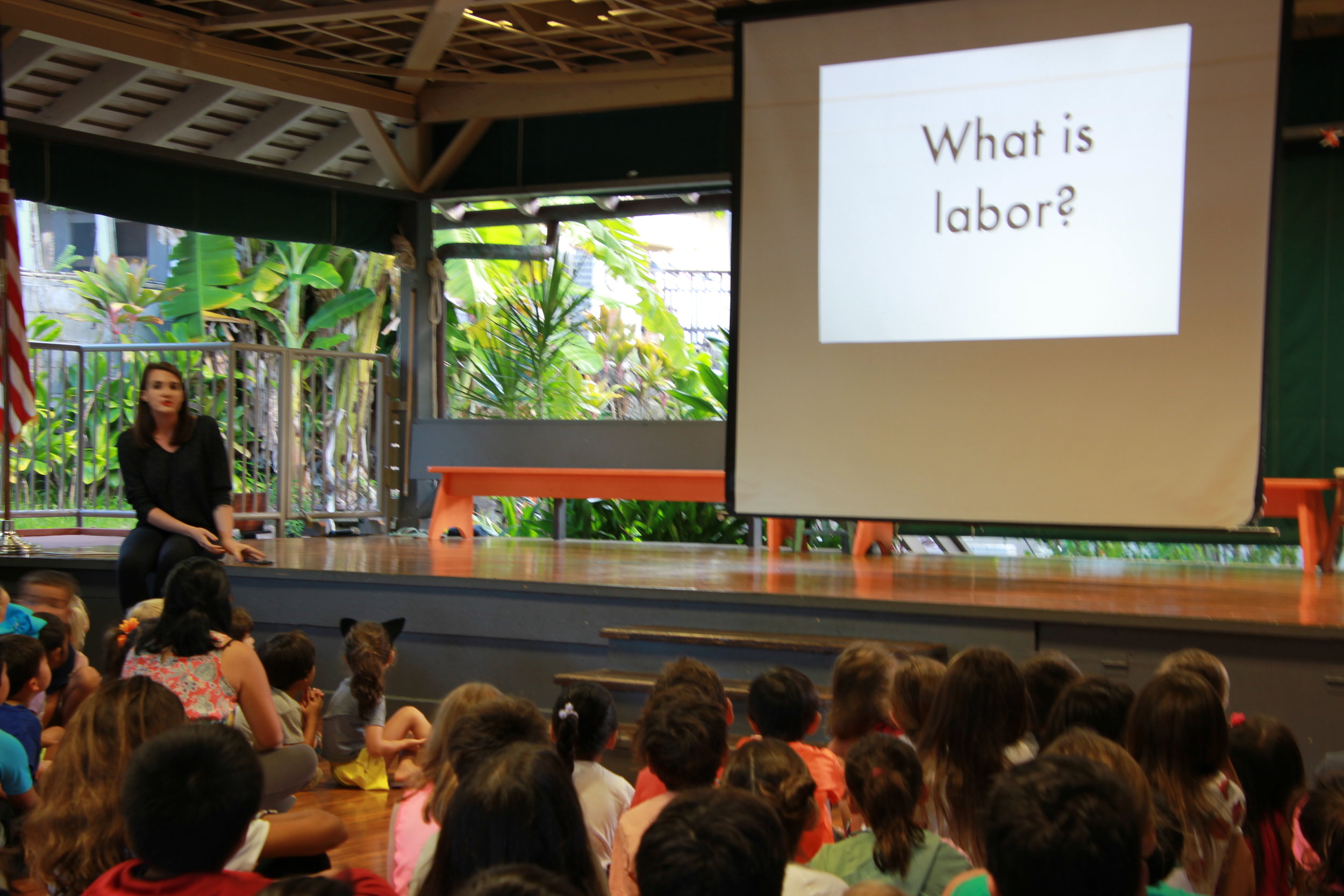
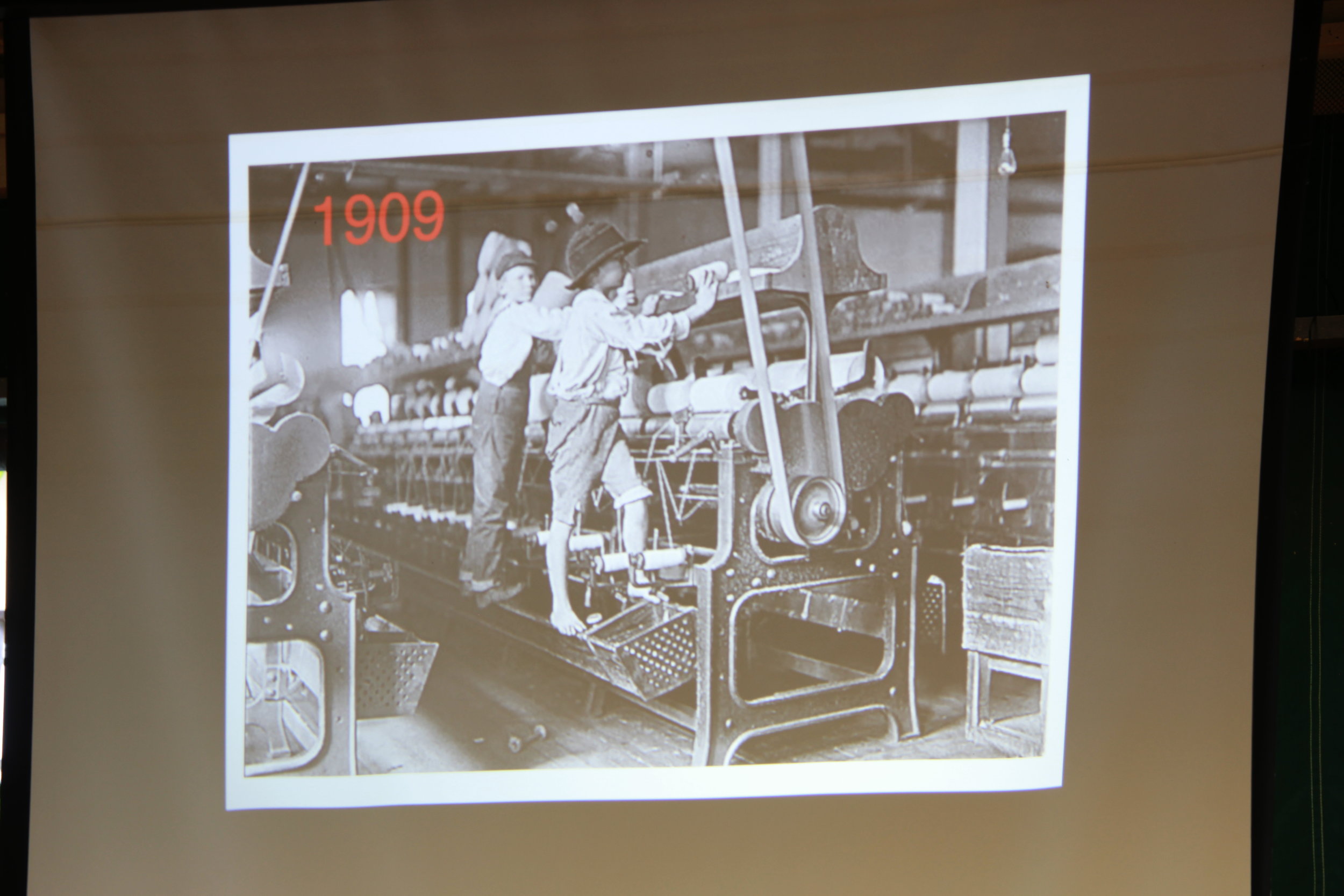
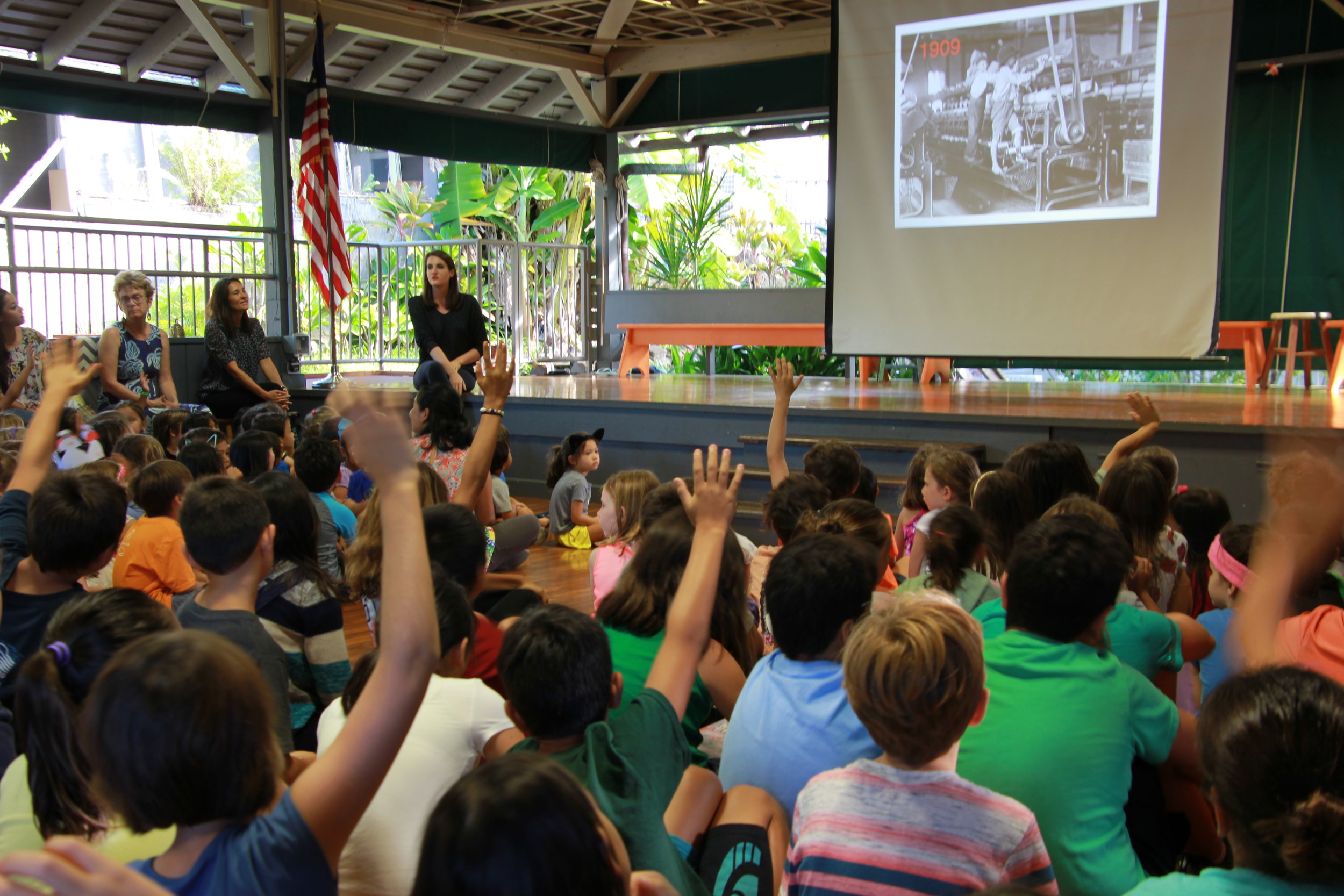
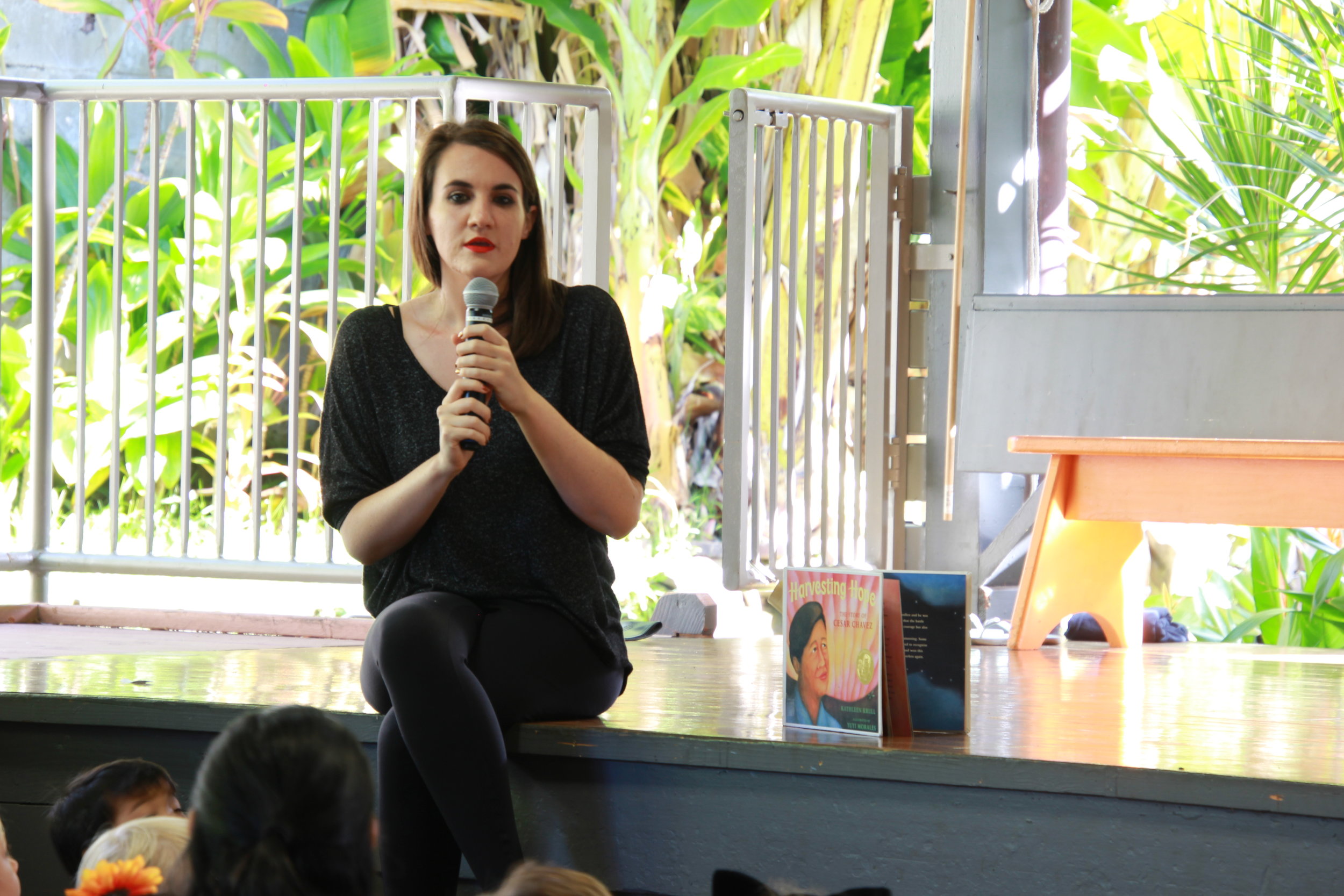
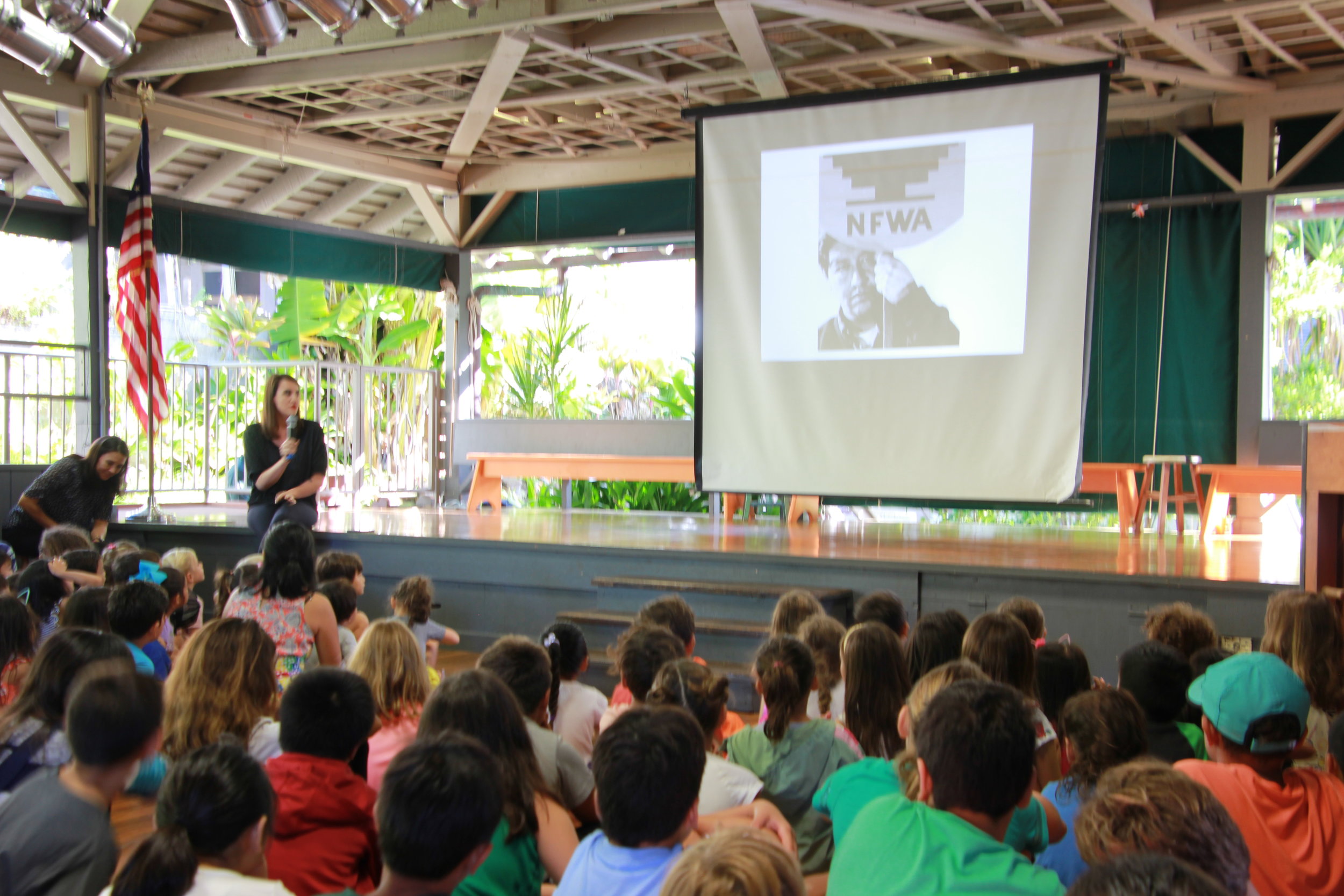
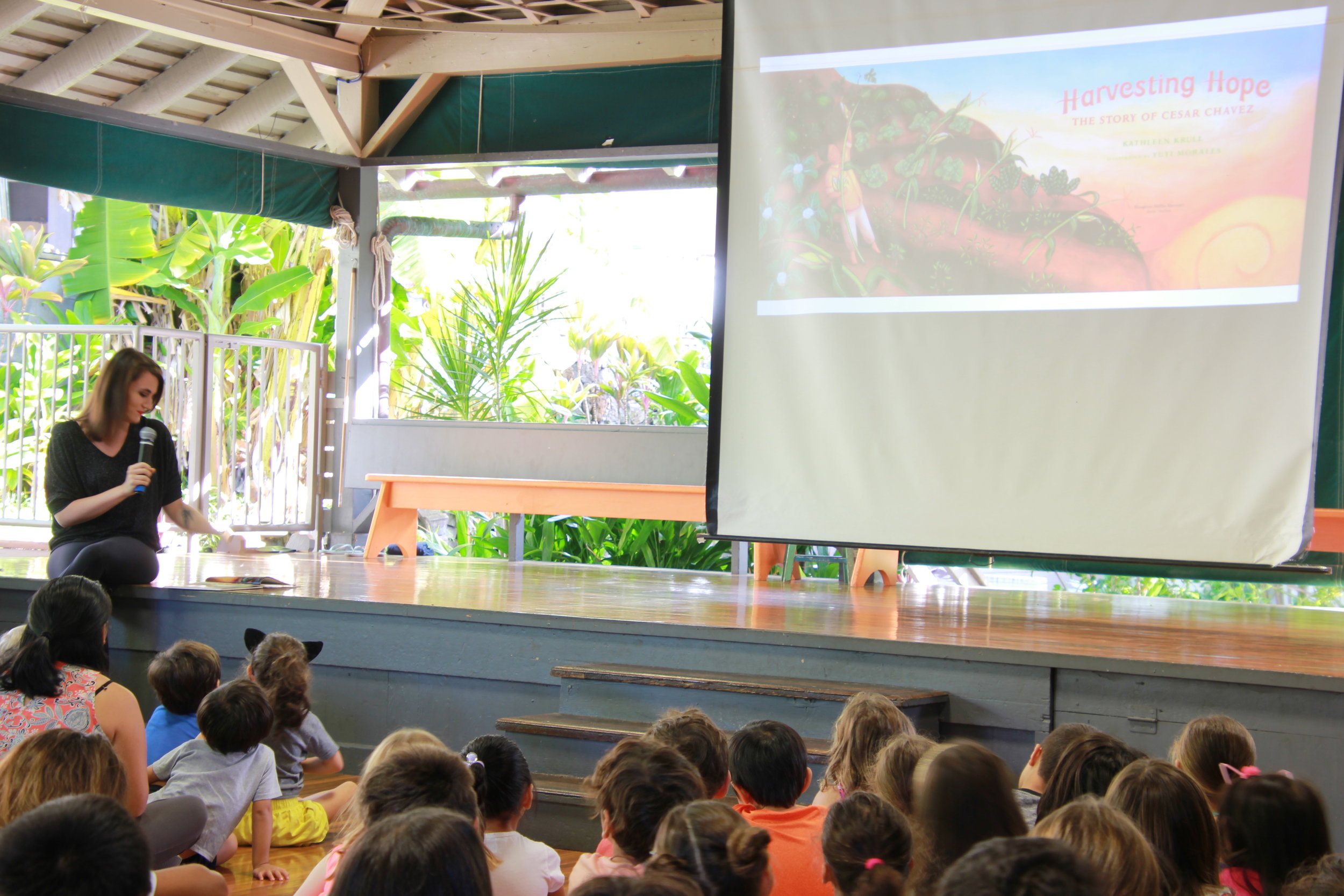
Today was our 3rd assembly! Today, our walk in song was I Am What I Am, followed by Makenzie and Ada sharing their birthday books. Our thought of the day was Pu Pu Kahi I Holomua - Unite To Move Forward. Ms. Gabby took over the assembly. First, we discussed what labor means and why we celebrate Labor Day. Part of why we celebrate Labor Day is to acknowledge that today children get to go to school and play during recess, but back then (early 20th Century and earlier) they had to work. We also compared the differences between a photo which took place in 1901 and a photo in 2019. After Ms. Gabby read a book called “Harvesting - Hope; A Tale of Cesar Chavez” it happens to not be a birthday book too. (It’s a good book to choose!). Harvesting Hope was about Cesar Chavez and having to move his farm because of a drought. After he quit school and had to work at a farm for money but didn’t get enough money. So he started a strike and many people joined as they were walking towards the California capital. Eventually they arrived with 10,000 people and celebrated that they would get a raise in pay and more freedom. We reflected on the story when Ms. Gabby finished reading. Then, as always, we sang our school song!

Mea Hawai'i Assembly with Uncle Blair Sataraka

Mea Hawai'i Assembly with Uncle Blair Sataraka
By Chris ’20

On Friday, we started our day walking into the pavilion singing Eia Makou. We had our daily birthday book sharing from Ms. Gabby. Today, two students shared their birthday books, Raiden who turned 8 and his brother Renyn who shared his FIRST birthday book as a Hanahau‘oli student! Following that a few teachers shared their birthdays, Mrs. Yamamoto, Mrs. Deluca and Ms. Lee Loy. Our second, and last announcement came from Ms. Lisa telling us about after school enrichment classes and sign-ups. Kukunaokalā had the task of leading thought of the day; they chose Kūlia i Ka Nu‘u - strive to reach the top! Uncle Blair chose to do assembly today and it also happens to be his birthday! Happy Birthday, Anakala! Uncle Blair chose to do the assembly about Mana‘o o Ka Lā which means Thought of the Day and had each class show their assigned Thought of the Day. 6th Grade chose to do Pūpūkahi i Holomua - Unite to Move Forward! Together we learned how to sing happy birthday in Hawaiian. We then closed with ‘Oli Mahalo and our School Song.

IMG_2744.jpg
IMG_2739.jpg
IMG_2747.jpg


First Assembly of the School Year 2019-2020

First Assembly of the School Year!

By: Cary

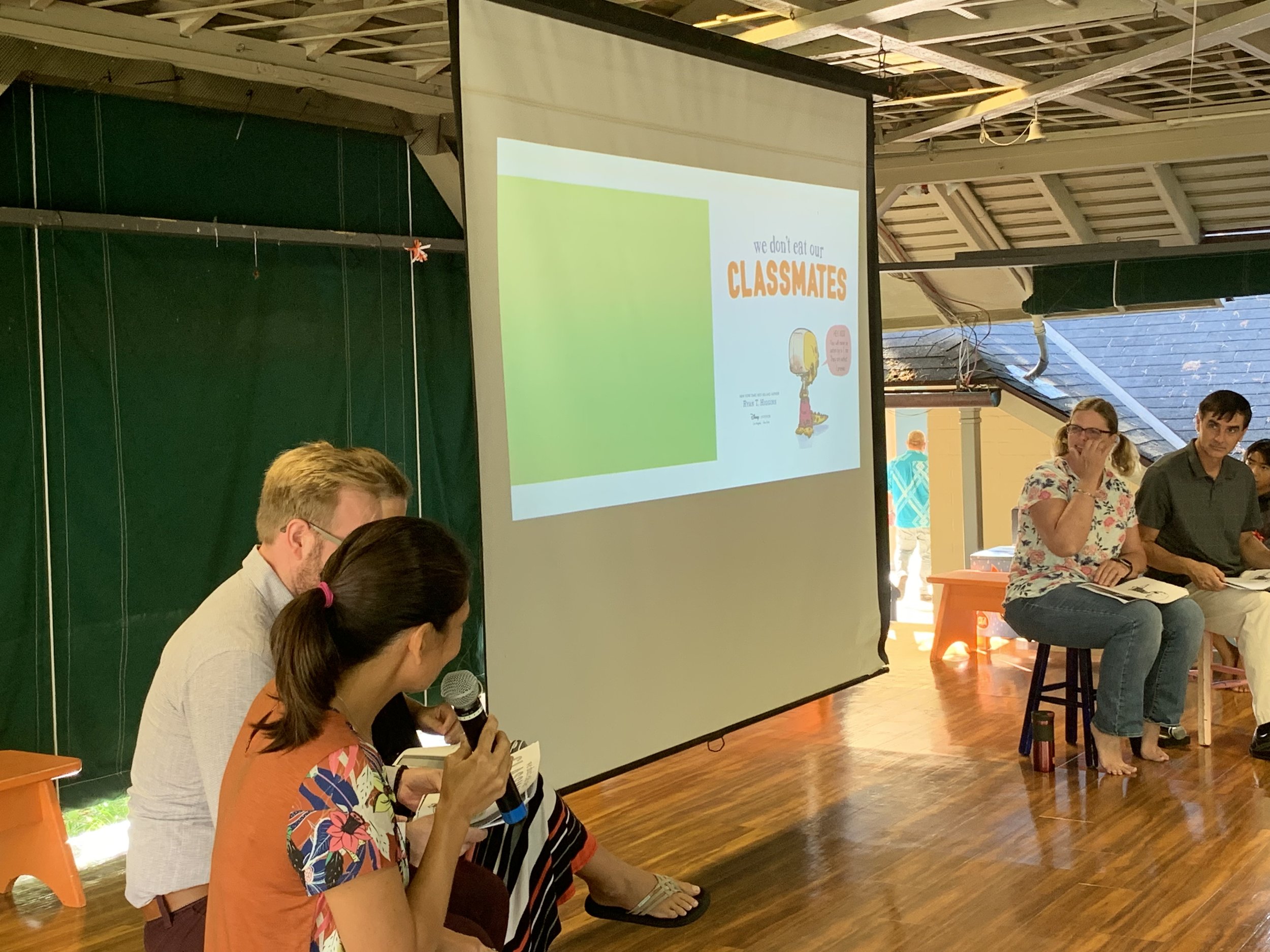
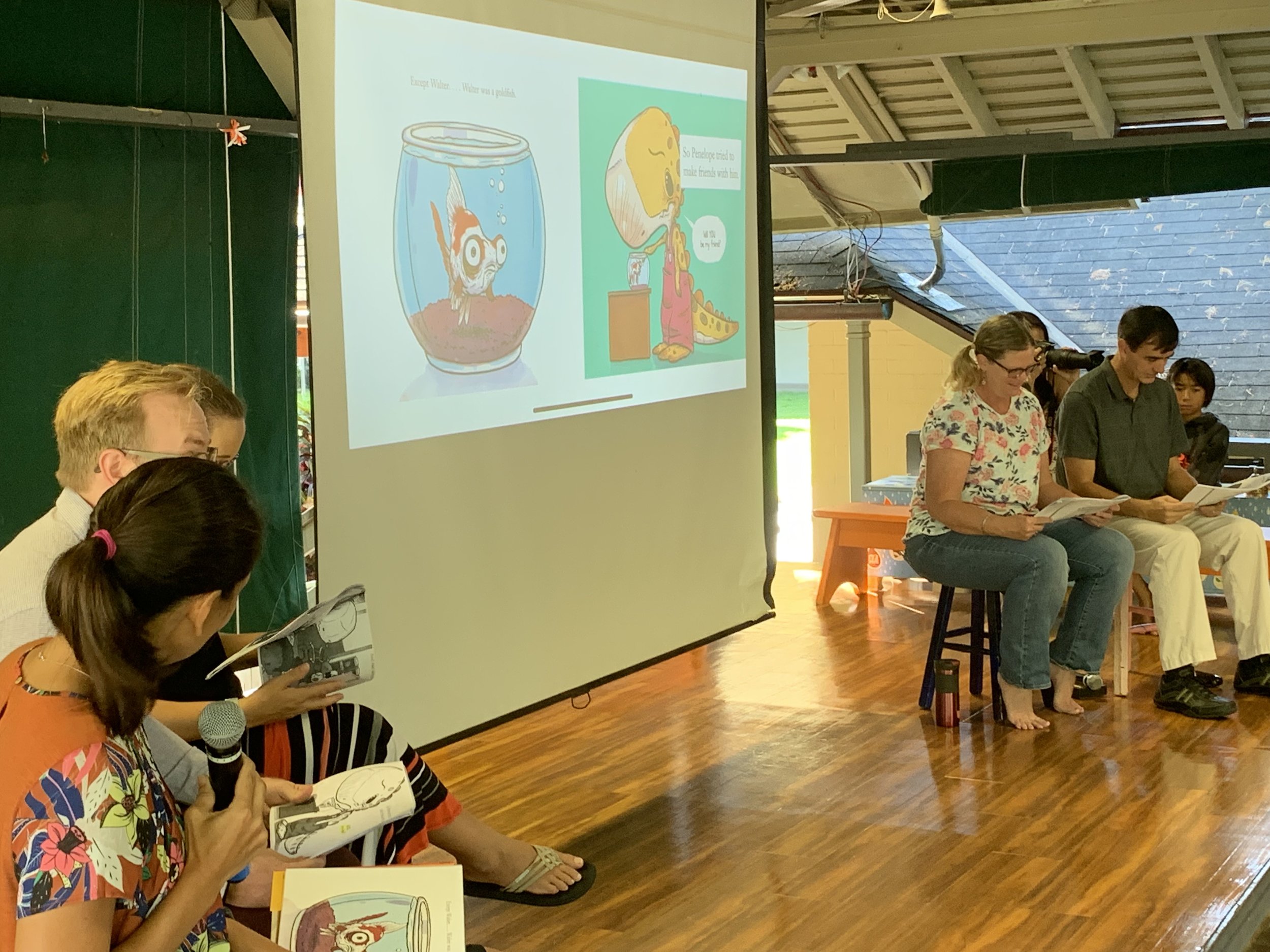
The first assembly of the year is a success! On Friday the 23rd of August 2019 we had our very first assembly of the year. In this assembly Ms. Woo and other teachers/staff (Mrs. Lee, Mr. McGregor, Dr. Travis and Ms. Eldredge) read the book “We Don’t Eat Our Classmates.” This was a book about a T-Rex named Penelope who eats her classmates because she can’t help it. They taste too good. But after getting bitten by a vicious goldfish, she realized how her classmates felt when she ate them. So she stopped eating her classmates no matter how tasty they looked. A perfect book to start off the school year, and most importantly to remind us not to eat our classmates.  


The Power of Play by Lia Woo featured in Honolulu Family

August 19, 2019

honolulu family Education cheat sheet: The Power of Play

Don't put off playtime! Here is why we should all take it seriously for our kids.

As the head of an elementary school, I think about children and childhood extensively. I also think about my childhood and how I would play for hours in my room, running a pretend bookstore or reading aloud to my well-behaved and attentive class of stuffed animals. I think about my daughters today and how much joy they experience when creating an original play, complete with costumes and music, on an easy Sunday afternoon or catching a “party wave” in the Kailua shore break. I think about how my 9-year-old plays with my iPhone camera, working with different modes to create a great photo.

I also think about how difficult childhood is today. The accelerated and overscheduled pace of life, the intense expectations (which, for kids, often result in equally intense feelings of anxiety, fear and stress), the easy access to disturbing and inappropriate content, the public nature of social dynamics and the sometimes debilitating worry of parents that children cannot recover from feelings of disappointment, loss and failure.

At times it feels society fails to protect childhood. Exacerbating irony is the fact that recent research tells us so much more about the importance of this time in child development. Schools must intervene and persist in honoring our children’s younger years as its own distinct stage of life and valuing play as a child’s work.

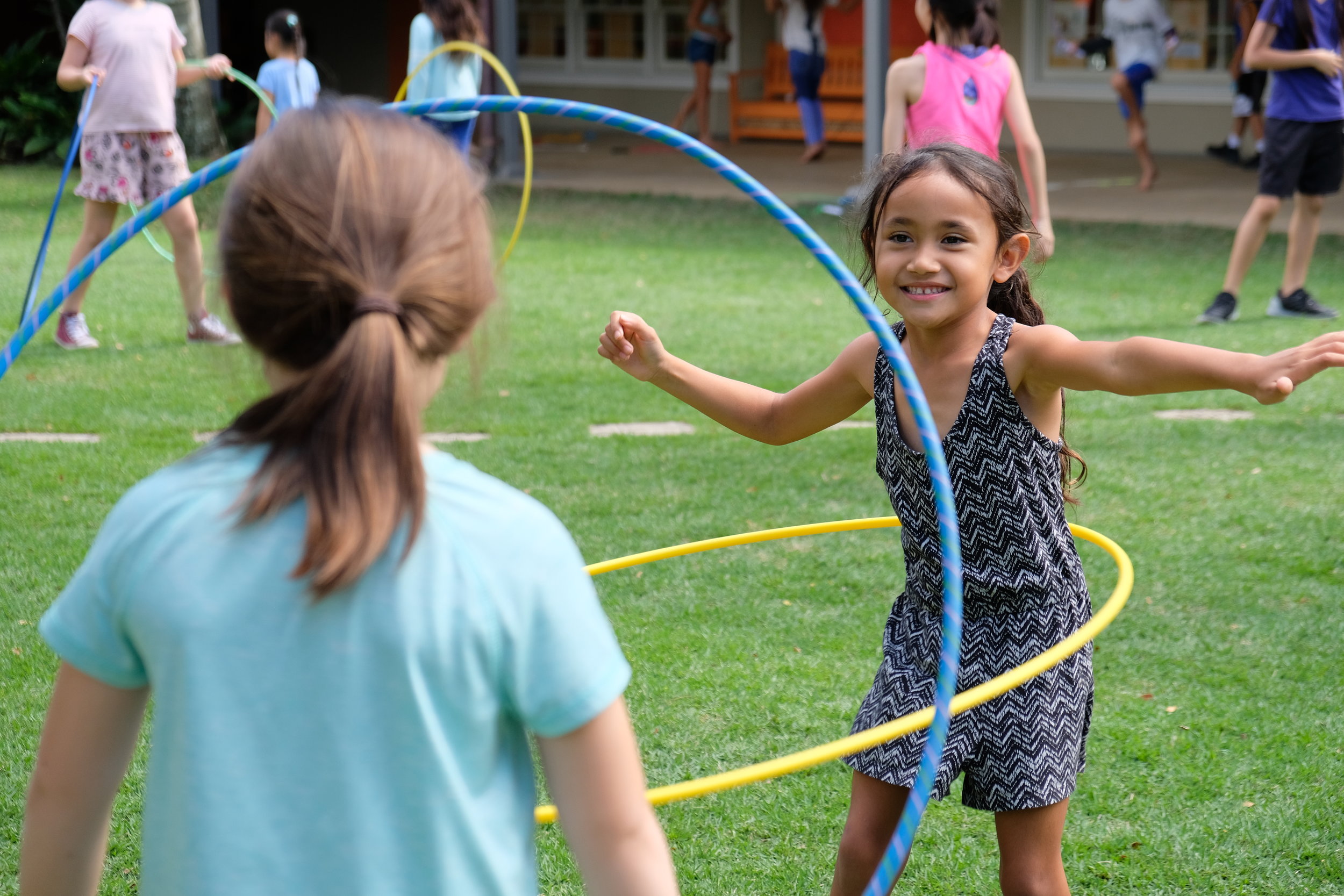
I advocate that schools and parents take play seriously. In play, children explore their curiosities, develop initiative and problem-solving skills. They practice focusing attention and persisting in pursuit of their own ideas and goals. They learn to communicate, compromise, cooperate, empathize and self-regulate. They take risks, imagine, and most importantly, find and experience joy. It is also important for parents to join in. Observing and participating in play with our children helps us continually understand who they are, their unique interests and talents, humor and sensitivities, not to mention it brings us joy.

I hope the resources shared lead to many more minutes of reflective thought regarding how to prioritize play.

Parent Homework

In five minutes, you can review:

Have 10 minutes?  

Dive a little deeper in 30 minutes with: