How Hawaii Schools Are Teaching Kindness And Empathy In A Volatile World feat. Amber Strong '89 Makaiau

February 12, 2021

Civil Beat publishes a timely article on how our schools are teaching kindness and empathy in these challenging times and Hanahau’oli’s PDC Director and alumna, Amber Strong ’89 Makaiau is featured for her important work with Philosophy for Children and more.

Click HERE for the full article from Civil Beat.

Hanahauoli-School-Amber-Makaiau-Civil Beat.jpg

Happy International Dot Day!

October 2, 2020

At Friday Assembly this morning, in honor of one of our Art Teacher Mrs. Lauren Okano’s favorite books, “The Dot” by Peter H. Reynolds, we celebrated International Dot Day! Mrs. Okano and our Physical World Lab Teacher Mr. Marc Miyamoto delighted us with their very own video rendition of the story with Mrs. Okano dressed up as Vashti and Mr. Miyamoto as her art teacher. We also displayed the hundreds of dots made at the end of last year by our students and their families at our own special drive-through pick-up art gallery for all to enjoy before the weekend. The Dot reminds us all to make our mark and see where it takes us!

Enjoy the photos and video below!

Mrs. Okano and Mr. Miyamoto reenact “The Dot” by Peter H. Reynolds.


Learn more about International Dot Day here.

Mrs. Toyama INSPIRES STUDENTS TO Jump For Joy!

 
JewelToyamaSHAPEInterview.png
 

Jewel Toyama, Hanahau‘oli School PE Teacher, chats with Society of Health and Physical Educators (SHAPE) America CEO Stephanie Morris about her Jump For Joy school-wide event benefiting children and pre-service teachers supported by University of Hawa‘i at Mānoa’s Department of Kinesiology and Rehabilitation Science’s P.L.A.Y for All program.

Education Cheat Sheet: How to Teach Your Child Empathy During the Coronavirus Pandemic feat. Michiko Sugiyama

Education-Cheat-Sheet-Empathy-during-coronavirus.jpg

Modeling behavior, asking the right questions and sharing stories can help keiki discover how to care for others.

BY MICHIKO SUGIYAMA

Empathy, the act of understanding others’ feelings, is something that teachers aspire to teach their students. They also rely heavily on families to support a child’s social emotional and academic learning more now than ever. In the article “Cultivating Empathy in the Coronavirus Crisis,” Emily Boudreau referred to psychologist Richard Weissbourd’s suggestions for how parents can support children by modeling empathy as individuals: by listening and taking action. Shifting our attention to the needs of others can also help families combat feelings of isolation and  cultivate empathy in children. In other words, we can use this time as an opportunity to practice empathy at home. Here are some strategies teachers use in school that can be easily used in the home setting:

Understanding My Own Feelings

“I”statements are simple but powerful prompts to guide children to express themselves. When we listen carefully and support children to say “I feel…,” “I think…” and “I need…,” we are helping them pause, identify and express what’s going on inside them. After acknowledging their feelings, we might move on to reassure the child and perhaps offer a solution. Many times we have to not offer what they want and that’s okay! (Teachers have to do this all the time!) In this process, it’s important for adults to set an example by sharing their own feelings appropriately and encouraging the child to do the same. “I” statements offer reassurance and a voice to the individual. It sets the tone to create a safe space for both adults and children.

Resources:

  • Heart-Mind Online Resources for Families: The Dalai Lama Center for Peace and Education, a secular, non-political, non-profit organization is inspired by Dalai Lama’s belief in balancing education of the mind with that of the heart. The Heart-Mind Online has a variety of resources for educators and families to help support positive social and emotional development.

  • Centervention’s Free Social Emotional Learning Activities: Centervention provides online games for students to practice their social and emotional skills. This particular page has a variety of free resources with lessons, activities and printables. This site offers ideas for families to engage children in regulating emotions, expressing feelings, and to reinforce strategies for social development.

Learning About Diversity

I was reminded of the words from an educator friend when we were discussing ways to teach children how to care and how to work together. She shared that one of her teaching mentors explained: “Children have to know each other in order to care about one other. And it’s only when they care about one another that they can start to work together.” Questions like “Who’s in your family?” “What’s your favorite activity?” seem to be generic questions but are critical entry points for children to connect. In our school’s remote learning platform, we share student work and voices through images and video, have virtual time with students during morning and closing meetings and also have entertainment times where children share their talents remotely. At home, virtual opportunities to connect with others, family games and conversations, and even snail mail or pen pals can offer opportunities for your children to connect with others.

Resources:

  • Penpal Schools: Educators from over 150 countries use this resource to set up pen pal exchanges and encourage student collaboration. It is a fantastic tool to promote global and digital citizenship. Parents can create an account and also monitor student communication.

  • Diverse Book Finder: The Diverse Book Finder aspires to be a resource to those who seek to create collections in which all students can see themselves and each other reflected in the books they read. Use this search engine to diversify your home library!

  • Stories of Diversity from Scholastic: Scholastic offers a list of picture books, biographies and novels that celebrate differences and help readers foster tolerance and respect.

COURTESY OF MICHIKO SUGIYAMA

COURTESY OF MICHIKO SUGIYAMA

Diving into the World of Stories

Literature is a creative realm where imaginative empathy can be practiced. Putting yourself in a character’s shoes starts from diving into a story. Don’t worry if your children aren’t reading independently or don’t have deep interests in chapter books yet. Whether reading a story out loud, sharing a real-life story, or watching a movie, there are many ways children can experience the life of another. Biographies, nonfiction articles or news events are also options. Sometimes, a child might prefer to empathize with an animal or a house pet. While reading, listening, or observing, take a moment to ask your child, “How do they feel? What do you think they are going to do next? What would you do if you were them?” Instead of asking about the content, these simple questions help us make connections with the world.

Resources:

  • Books that Teach Empathy from Common Sense Media: Common Sense Media has a list of books for all ages, recommended for those looking for themes like celebrations of friendship, differences and caring for one another.

  • Movies that Inspire Empathy from Common Sense Media: Common Sense Media also has a list of movies for all ages, with a lead character that grasps the observer’s attention throughout the story through their strengths and transformation.

  • Story Online: Story Online has videos featuring actors reading children’s books alongside the book illustrations. This is a useful read aloud resource to listen to stories together with your child.

Modeling to Be a Part of the Solution

On a daily basis, children come to the adults in school for support. While we have the responsibility to keep children safe and guide them when necessary, it is important we maintain some boundaries so children can problem-solve creatively and independently. At school, you’ll find teachers asking children, “What do you think?” “How do you think we can make this situation better?” You’ll be surprised by the strategies and solutions children come up with! If you feel like you can’t do it alone at this time, partner with your child’s teacher and school to help streamline the message to your child. Moreover, modeling by being a problem-solver yourself and looking for ways to lend a helping hand to others at this time, could be the most powerful way to teach empathy.

Resources

  • Design for Change Podcasts: Design for Change aspires to equip youth to take steps to transform empathy into social action: feel, imagine, do and share.  Children and families can choose a social cause to learn about. The podcasts are less than 10 minutes and also have accompanying warmups, design sprints and community action projects children and work on.

  • Design for Change #DoGoodFromHome Challenge: The #DoGoodFromHome Challenge encourages children to use compassion and creativity to engage in acts of good from their homes. Get inspired by looking at the Daily Challenges with your children and challenging yourselves to do one good at a time!

The effect of the pandemic is immense and often leaves one feeling powerless. However, we can’t deny that there have been moments of positivity and joy during these difficult times. The “aha!” moments, or opportunities to teach children, which teachers call “teaching moments,” are everywhere. But perhaps we should start to call them “empathy moments,” so we can all engage in being a better version of ourselves each day. By practicing our empathy muscles, we can grow stronger to care for ourselves, think and live beyond ourselves, and proactively engage in creating a better tomorrow. 

Michiko Sugiyama is the coordinator of learning resources at Hanahau‘oli School. She obtained her master’s degree at Teachers College, Columbia University and taught in New York City public schools for eight year before joining Hanahau‘oli in 2017. During this stay-at-home time, Michiko is experiencing the joys and challenges of remote learning!

Hawai'i Association of Independent Schools Hanahou‘oli School HAIS Education

Embracing the Challenge of Distance Learning feat. Rebecca Eldredge

Photo from Honolulu FAMILY

Photo from Honolulu FAMILY

Education Cheat Sheet: Embracing the Challenge of Distance Learning

There is no question that turning your home into a classroom is not easy; especially when it's also become an office, campground and everything else for your family. So here are some tips from Hawai‘i educators.

MAR. 30, 2020

If you are anything like me, the mere prospect of “home” schooling my children for the next several weeks is beyond daunting. And, I say that as an educator and former classroom teacher. Aside from the usual cooking, cleaning and general care we provide our families, we are now faced with overseeing our children’s education while tending to them throughout the entire day. All this while working remotely ourselves. It’s a lot!

One thing I do know with complete certainty is that this new reality is overwhelming to everyone: our children’s teachers and administrators, friends and family, and our employers. It is also especially stressful for our children, as they grapple with mixed emotions ranging from disappointment about having “the worst spring break ever” to frustration about not being able to see friends.

In the weeks ahead, we will all be faced with a steep learning curve. And, while our community works to figure this out, we must remember to be kind, patient and understanding. To help navigate these uncharted waters, I sought the advice of friends and colleagues from several HAIS member schools.

Practical Tips, Advice and Suggestions for Successful Distance Learning

While your child’s school will provide guidance as you get with distance learning, there are a few norms that can be established early on. Kristi Bendon, head of school at Carden Academy of Maui, recommends setting a daily schedule and routine and then sticking closely to it. “Children thrive on routine, and they will need that stability more now than ever.” She also recommends letting children work as independently as possible, adding “they are more capable than you think!” Finally, for older students make sure social media is turned off throughout the school day and eliminate other potential distractions as best you can.  

Setting up a designated work space for your children is also important to do before their distance learning plan commences. This is something your children should help with so they can make sure they have all the learning tools and supplies they need on hand. Rebecca Eldredge, extended learning programs specialist at Hanahau‘oli School, recommends identifying a central location that is separated from other daily activity areas including the kitchen or main living space. Somewhere where you can monitor their online activities and be present as they need support. This situation could last awhile, so it should be somewhat permanent.

One of the biggest challenges ahead for parents will be figuring out our roles as parents /teachers. Glenn Medeiros, president of Saint Louis School, suggests that parents should plan to be a partner, not a replacement, for their children’s instructors. “It is vital that parents work with teachers to help facilitate learning. Parents are there to guide their child, to ensure their work is being done and to communicate to the teacher the challenges the student may be facing in completing his or her work.” Figuring out early on how best to communicate with teachers and offer feedback about this new experience will be a key factor for overall success. Remember, this is all new to everyone and it is OK to ask your children’s teachers for help.

If your child’s school has shared a distance learning plan, be sure to read through it with your child, ensuring that you have a shared understanding of everyone’s expectations. As Nan Ketpura-Ching, a high school science teacher at ‘Iolani School and parent of middle school-aged children, explained “at 'Iolani, we are still requiring students to be in dress code. This means collared shirts for boys when they log into Zoom for classes.” Discussing what to expect and having a plan in place early on will ensure that the entire family is on the same page, as you commence this new school experience.

Recognizing opportunities throughout this experience is also something we should do our best to embrace. Jeanne Wilks, interim head of school at Holy Nativity School, points out that this period of time presents an “opportunity for teachers to hold older students accountable for taking greater responsibility for their learning.” Robyn Vierra, director of global education at Punahou School, notes that there are many ways to begin incorporating service learning into weekly routines. “Figure out what the issues are that kids care about and find a way for them to have an impact.”

Parent Homework by Grade Level:

Early Childhood: Preschool – Grade 3

  • “There are so many meaningful opportunities to engage younger students in distance learning. They learn naturally by exploring and interacting with their world.  In addition to online ‘traditional’ learning shared by your child's school and teacher, cook with them. Have them plant and care for seeds and then observe their growth. Help them to be creative as artists, musicians and authors.”—Steve Ross, elementary principal at Island Pacific Academy.

Here are a few ideas that Robyn Vierra, director of global education at Punahou School, plans to do with her first- and second- grade children:

  • Take a slow walk in your neighborhood, taking time to observe and wonder (inspired by Harvard Project Zero Eden Walks). Map the neighborhood and discuss. What do we wish was included? What do we value? How do things we see help or hurt people and our planet? 

  • Play math games with number cards and dice.

  • Generate an inquiry project. Kids will pick an animal or a topic that they want to explore and research it online. Then they will make models of the animal, paint it, write about it, design solutions to protecting or caring for it, create an “Explain Everything” video about it, create a Scratch coding project about it, email an expert, create a game, etc. Vierra says the key is to have a sustained project that can help them create learning on the iPad, rather than just consuming on the iPad. 

Upper Elementary: Grades 4 to 5 or 6

  • “Start a family book club. Everyone read the book and do a check-in to discuss it every couple of days (brainstorm questions, reactions, and connections prior). Make it an official book club by cooking for it or serving hot cocoa!”—Robyn Vierra, Punahou School

  • Encourage kids to be creative. Maybe suggest a long-term project they could work on such as writing and illustrating a journal about their experience or creating their own board game. Give them household responsibilities if they don't already have them and encourage participation in the family "team".—Catherine Fuller, ‘Iolani School

  • Meet up for lunch at the dining table. Be sure to carve out time to exercise: either go for a walk, play Just Dance in front of the TV or do yoga. Have kids help more with dinner prep. Learn a new craft together. My kids and I are planning to work on a knitting project over spring break.—Nan Ketpura-Ching, ‘Iolani School

Middle and High School: Grades 6-12

  • Try to help others such as an elderly neighbor. Acts of service build community, perpetuate agency and reduce anxiety.—Maureen MacLeod, Punahou School

  • This is a chance for upper school students to try distance learning, which is a popular option in college.—Michelle Bradley, secondary interim principal at Island Pacific Academy

  • Set clear systems, guidelines and routines. What are times for family engagement and what are times for independent work? What are the choices during independent work time? Brainstorm those together as a family and make expectations super clear and upfront. Nobody wants their kids asking for the iPad throughout the day!—Robyn Viera, Punahou School

Tips for Parents:

  • Continue with a daily schedule and routine. Involve your children in planning for the day. Set the alarm, wake and get dressed as you did when school was in session. Stick to a bedtime routine.—Rebecca Eldredge, Hanahau‘oli School

  • This is all uncharted territory. Be patient, kind, and listen to your child.—Tim Spurrier, head of school, Honolulu Waldorf

  • It is important to include children in daily chores and upkeep of the house.—Kristi Bendon, Carden Academy of Maui

  • Take a deep breath. Know that not everything has to be done or completed.  Schedule time for work (for parents and students) and also time to enjoy together, such as a movie on Netflix, a walk in the neighborhood, or a bike ride to the park.—Steve Ross, Island Pacific Academy

  • Be sure to carve out time for yourself as a caretaker. It could be a walk by yourself or time to read a good book, or doing an activity you enjoy.—Nan Ketpura-Ching, ‘Iolani School

  • Focus on the opportunities in the situation: time together, keeping routines strong, and the assurance that, as a nation, as a family, and as individuals, we have endured hardships before, and will do so again.—Jyo Bridgewater, Holy Nativity School.

Resources:

Deanna D’Olier is the associate director at the Hawai‘i Association of Independent Schools (HAIS). She is a former teacher and holds a master's degree in education, with 20 years of experience in the field. She is also a wife and mother of two daughters, ages 10 and 12.


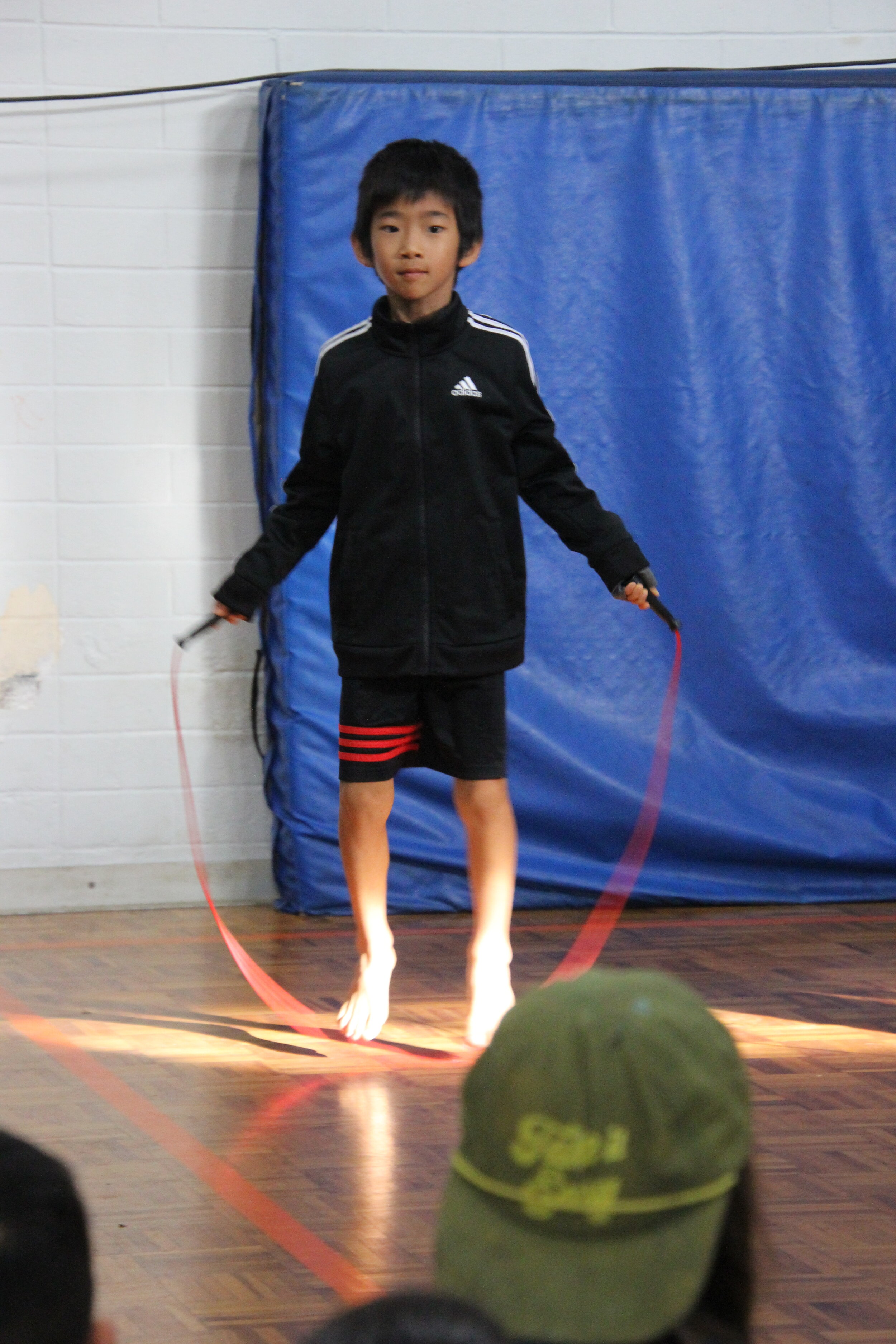
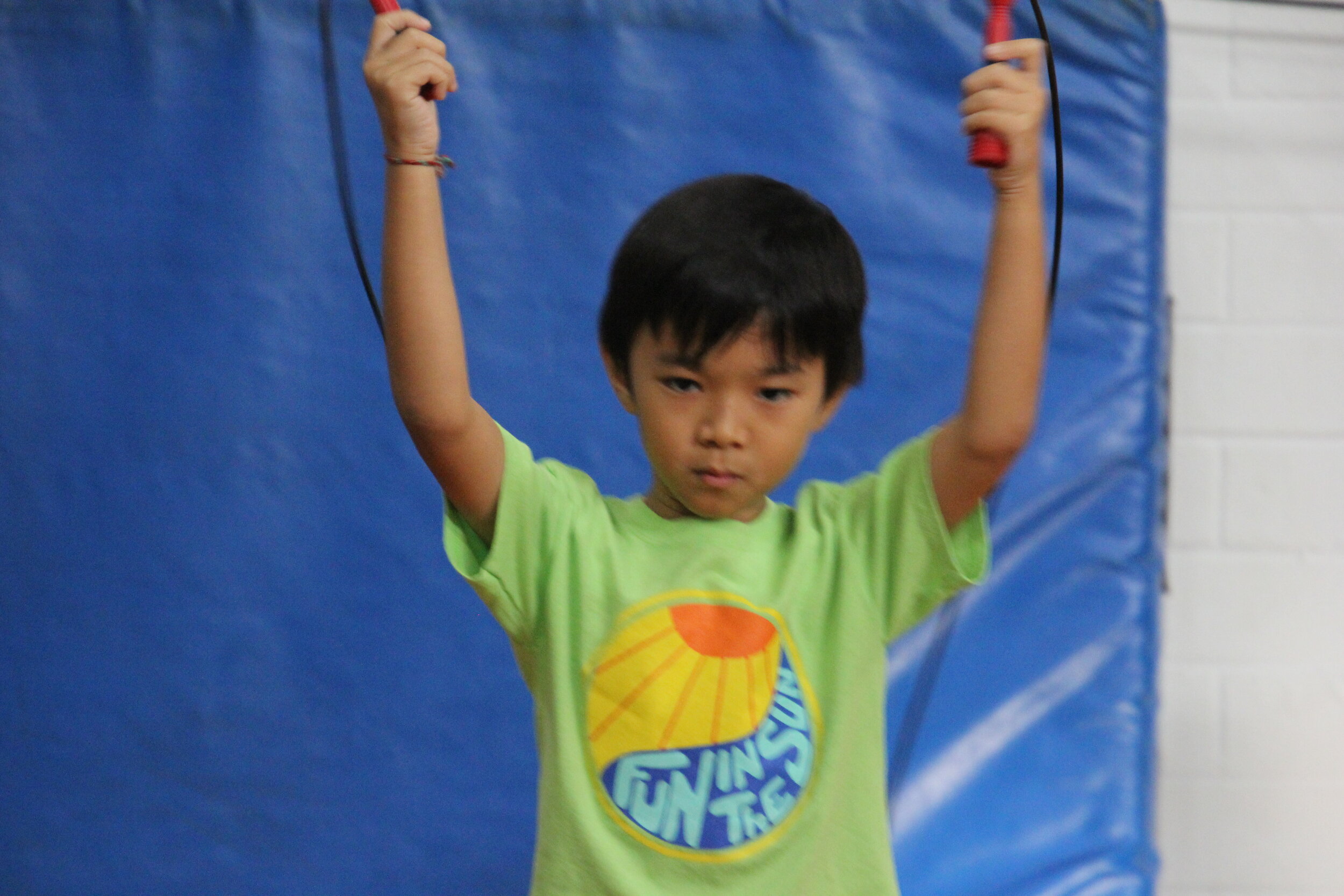
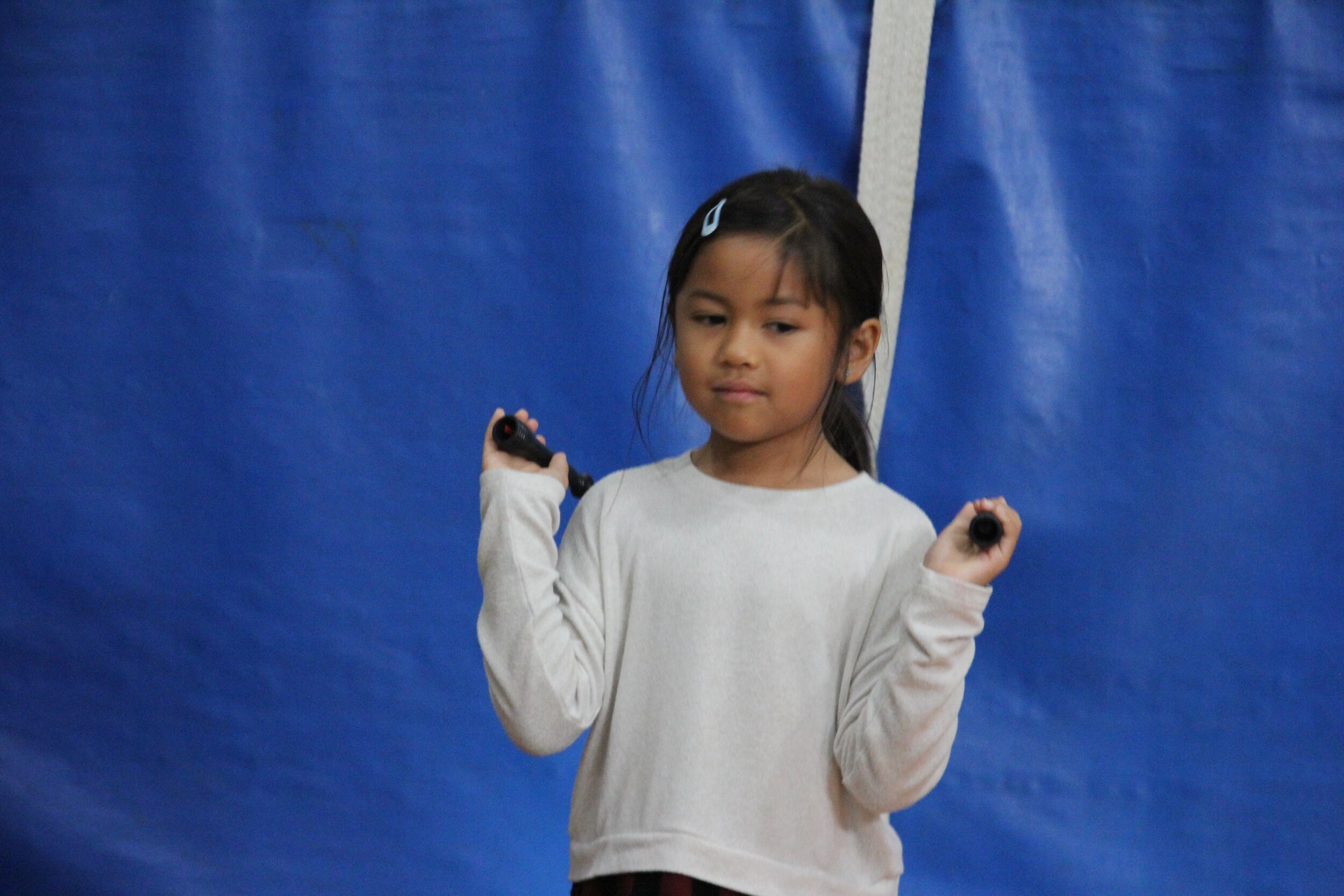
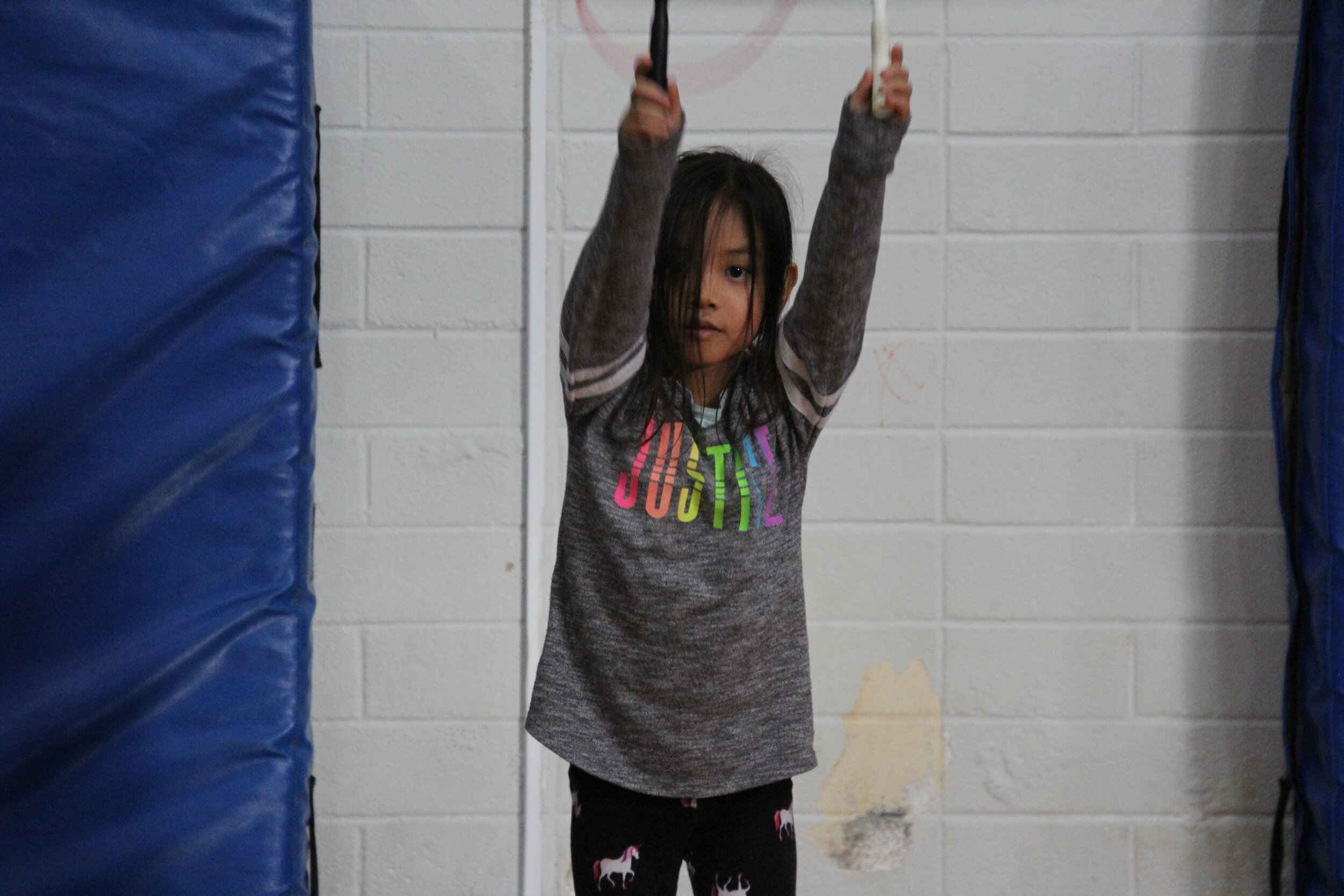
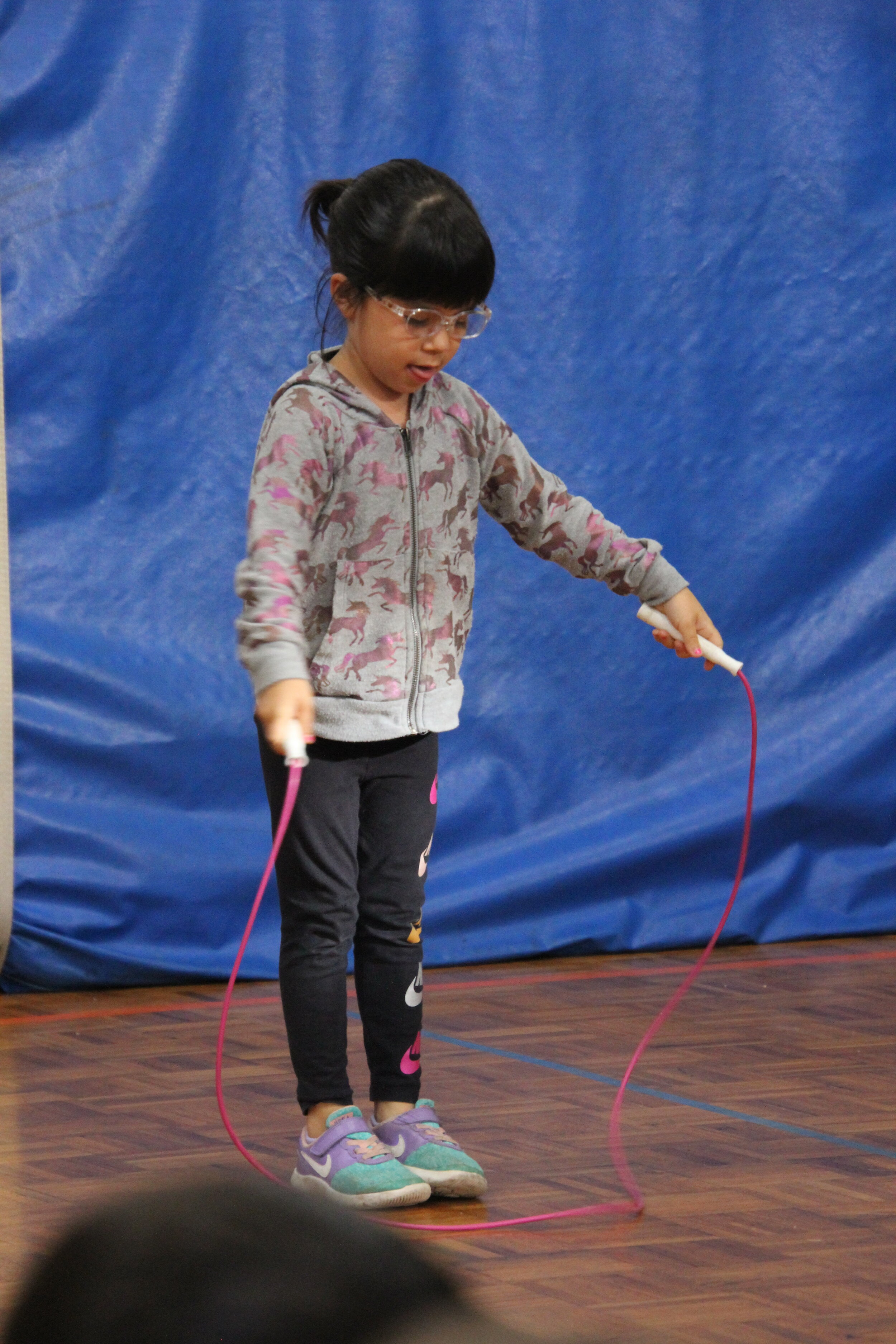
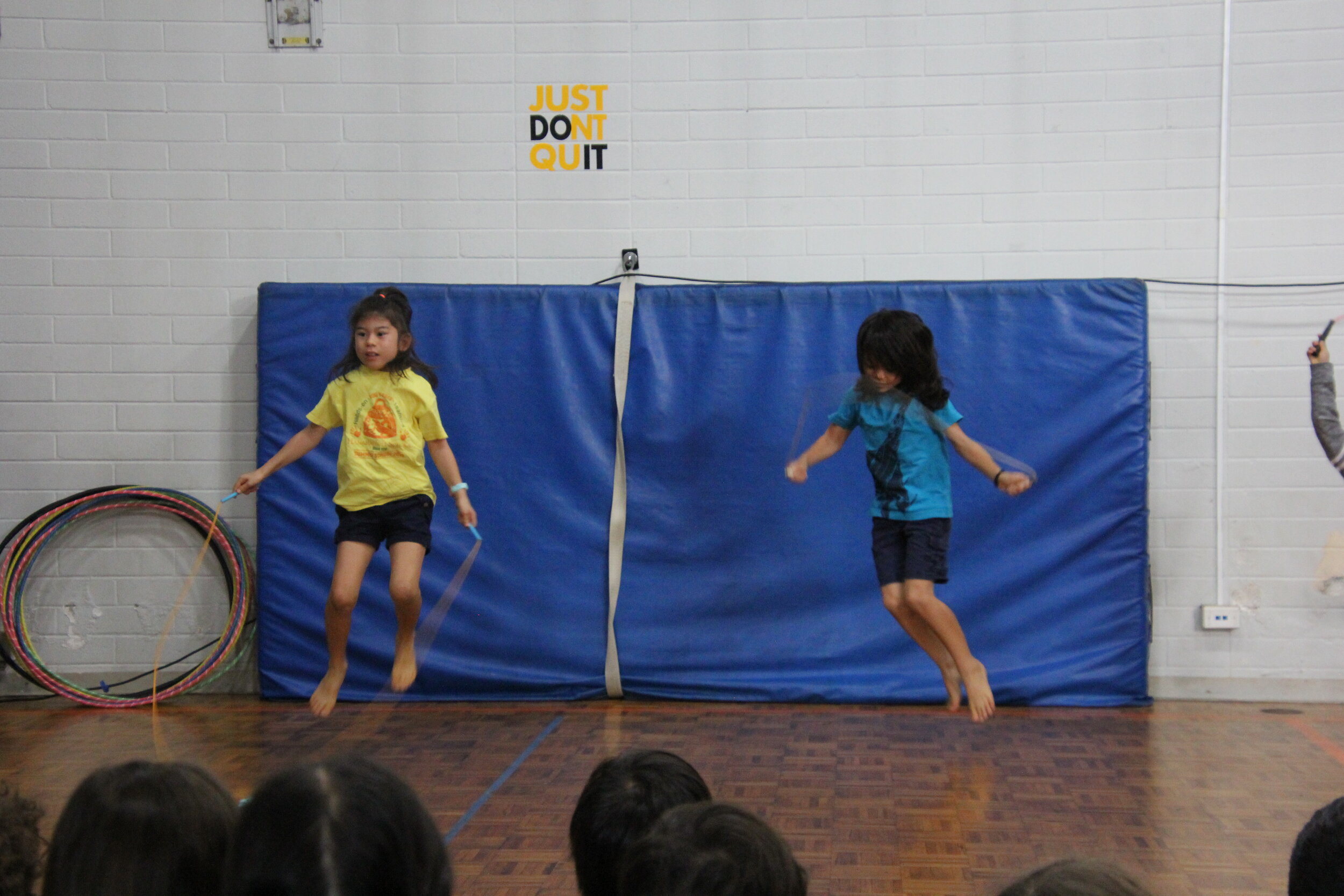
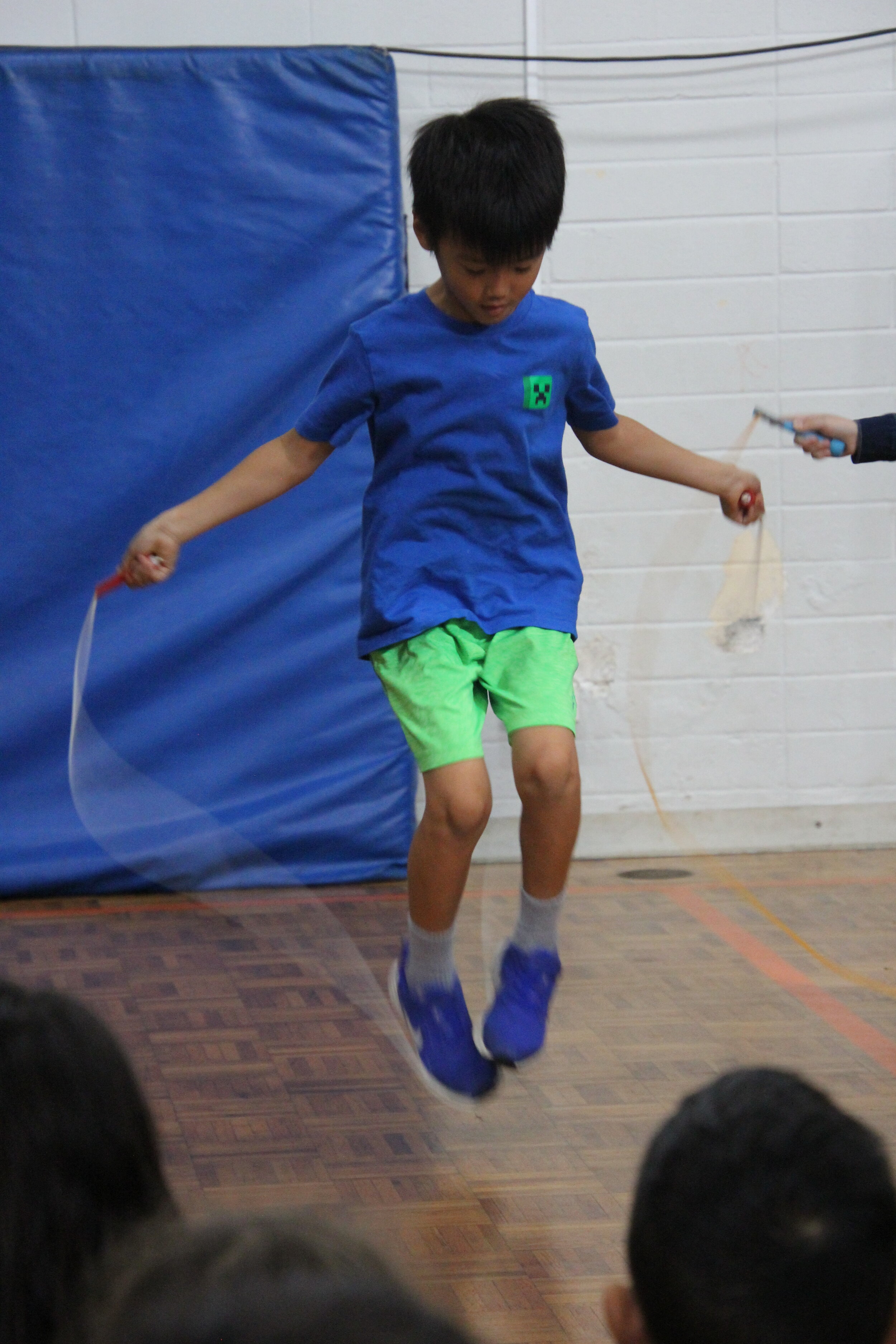
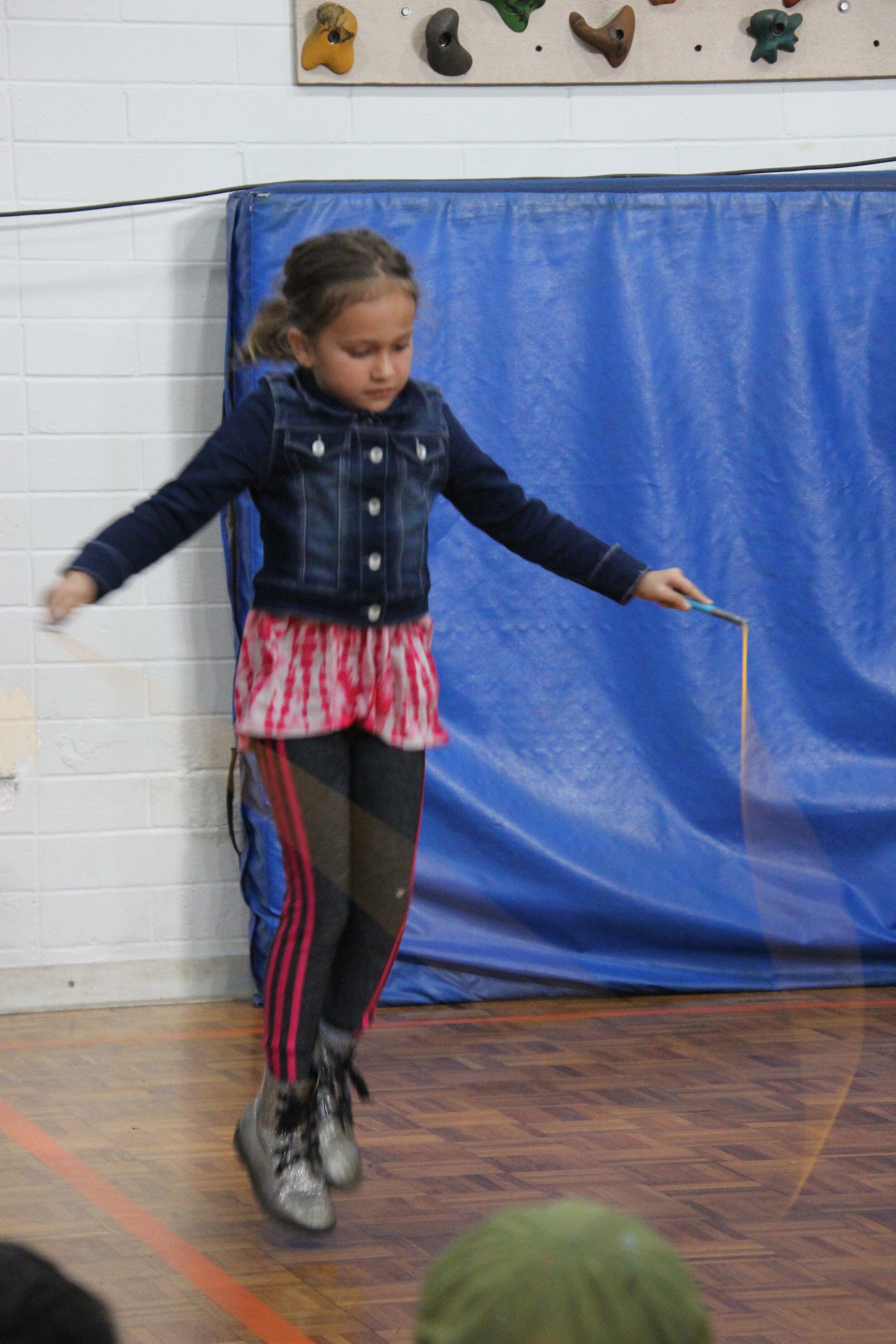
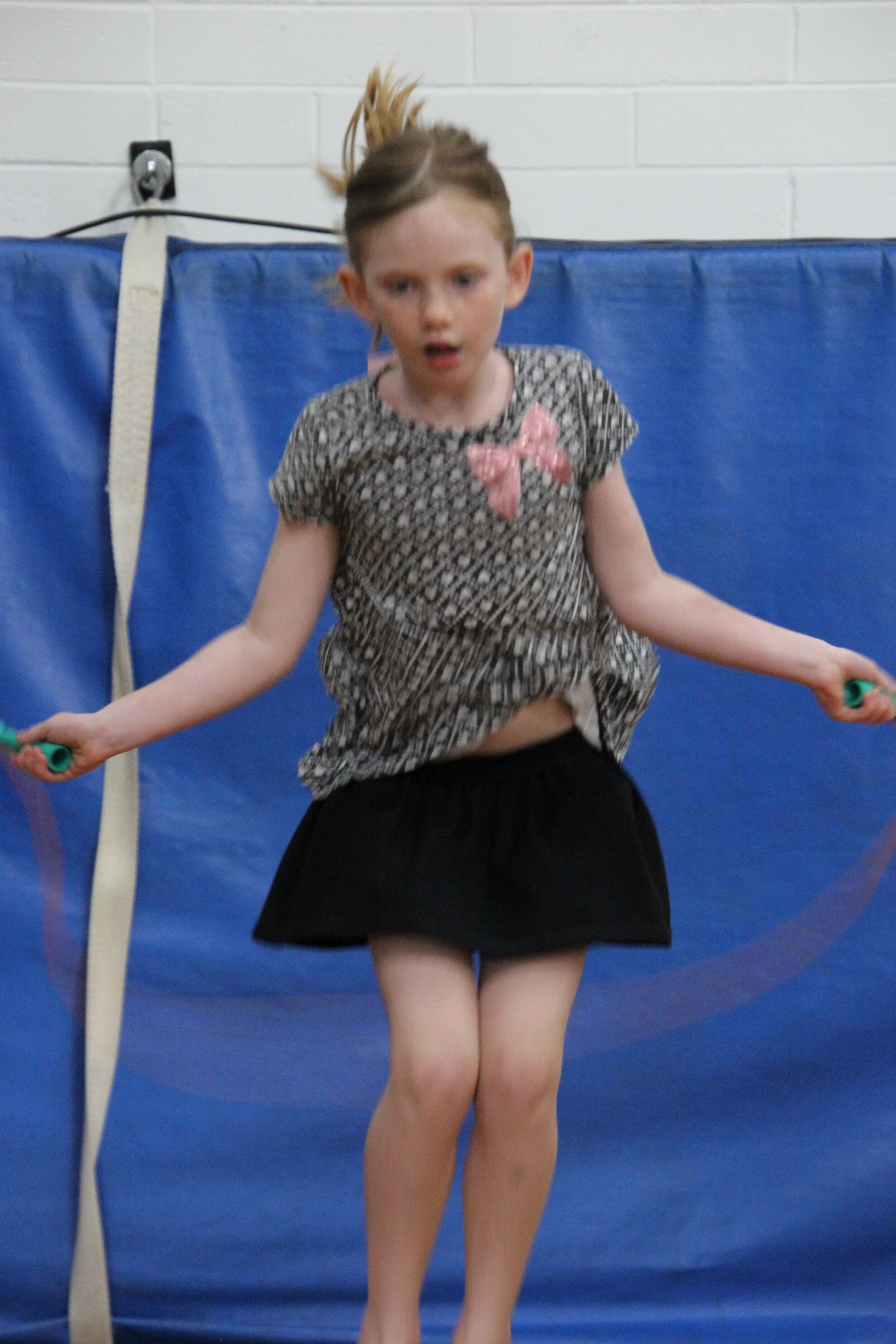
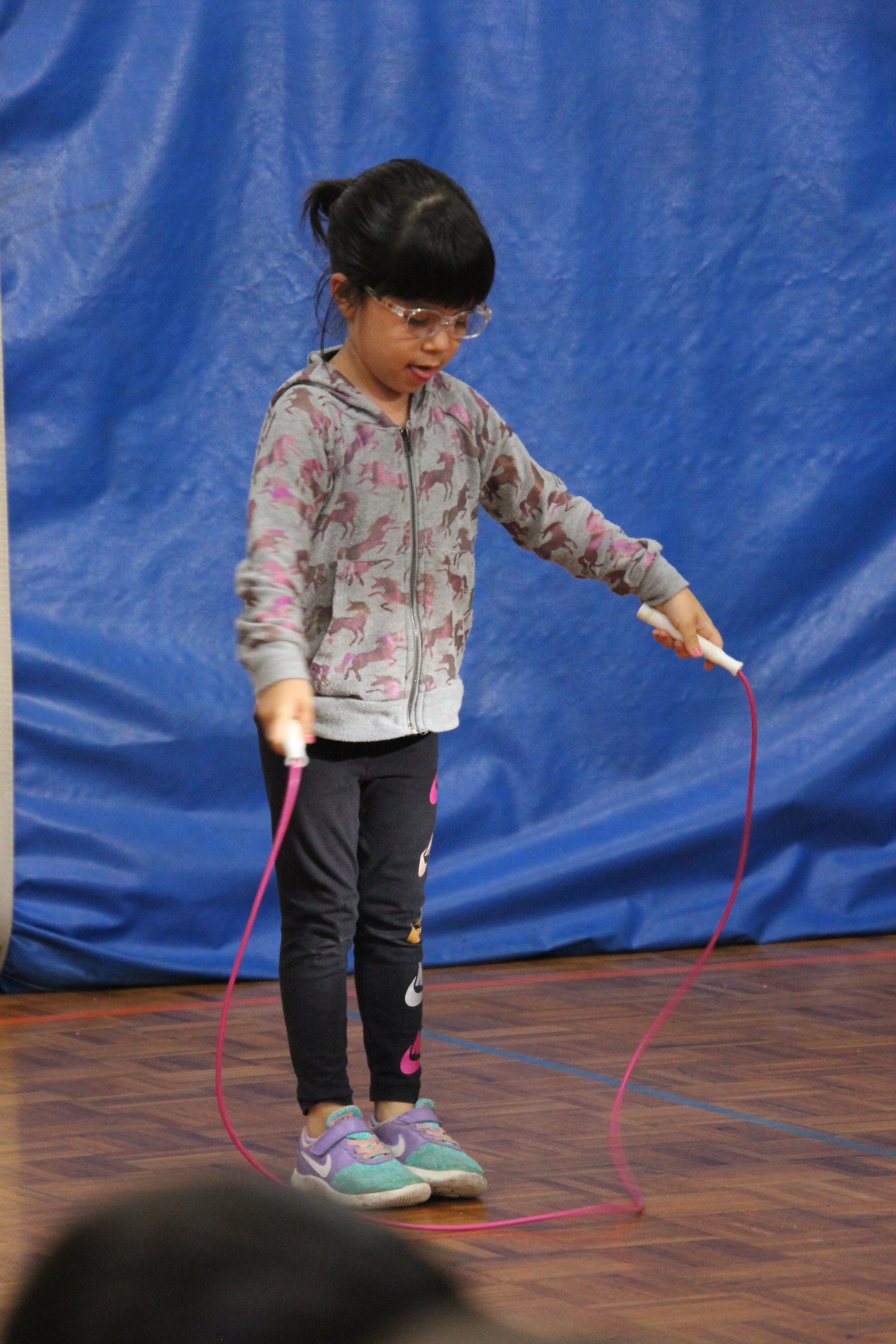
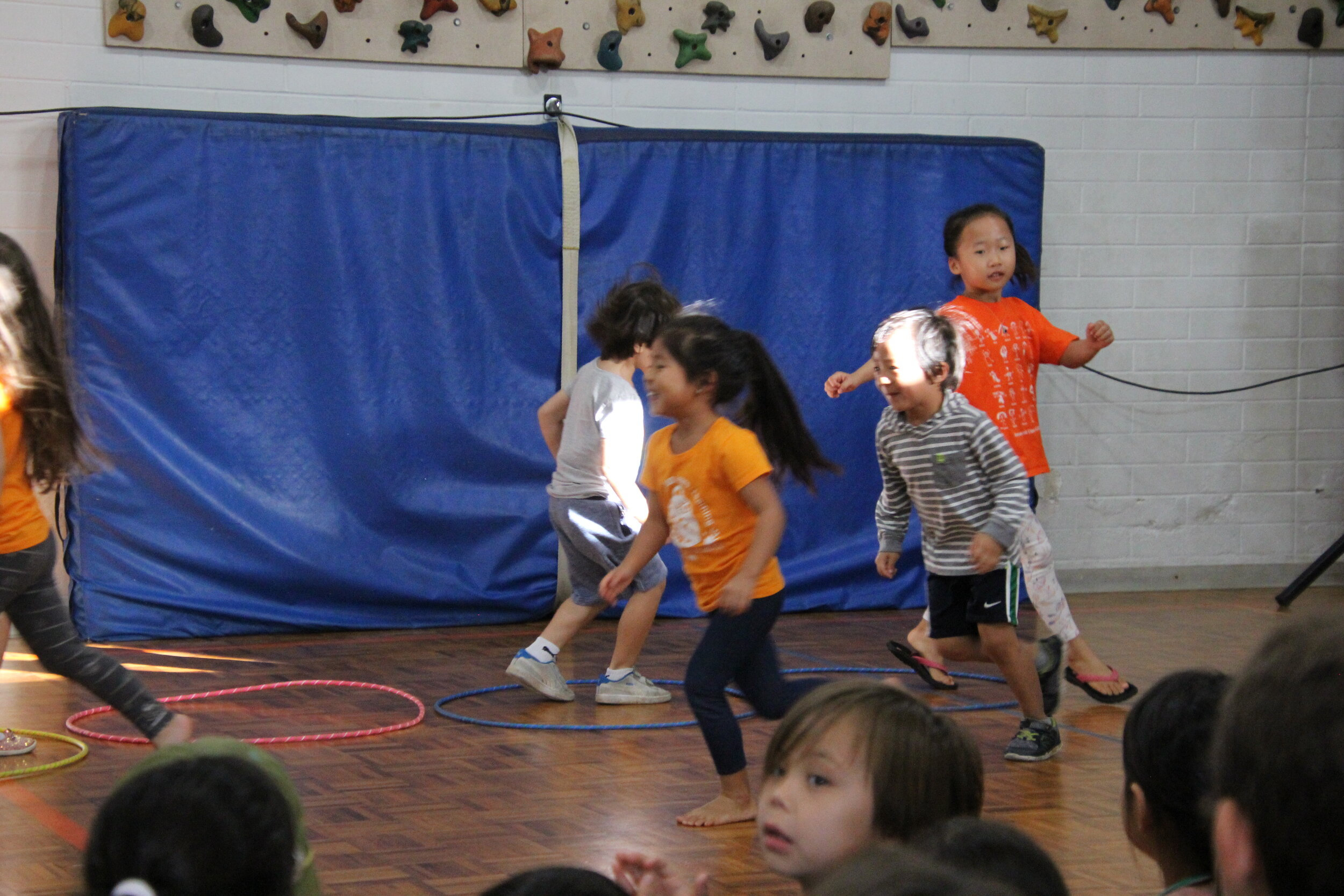
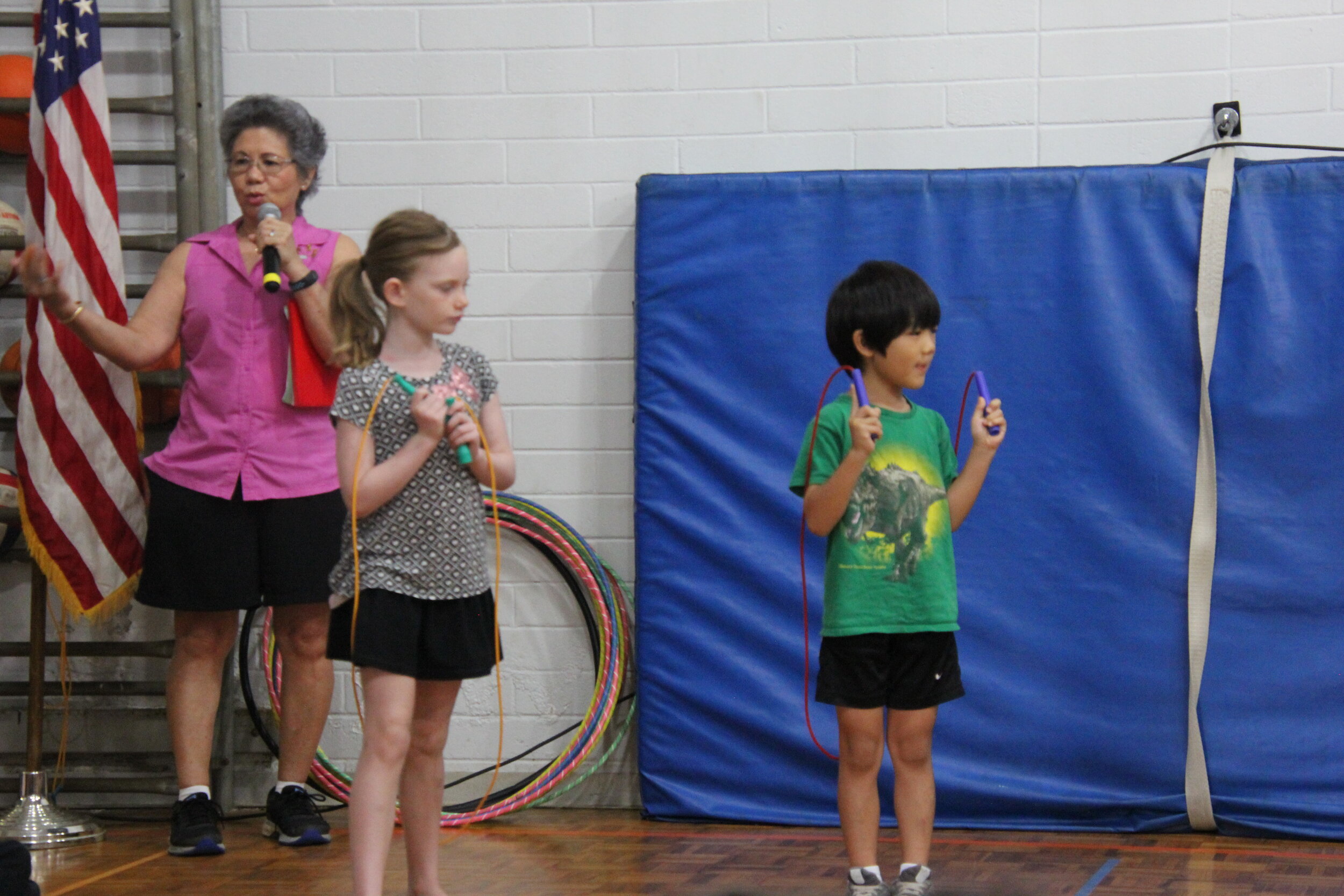
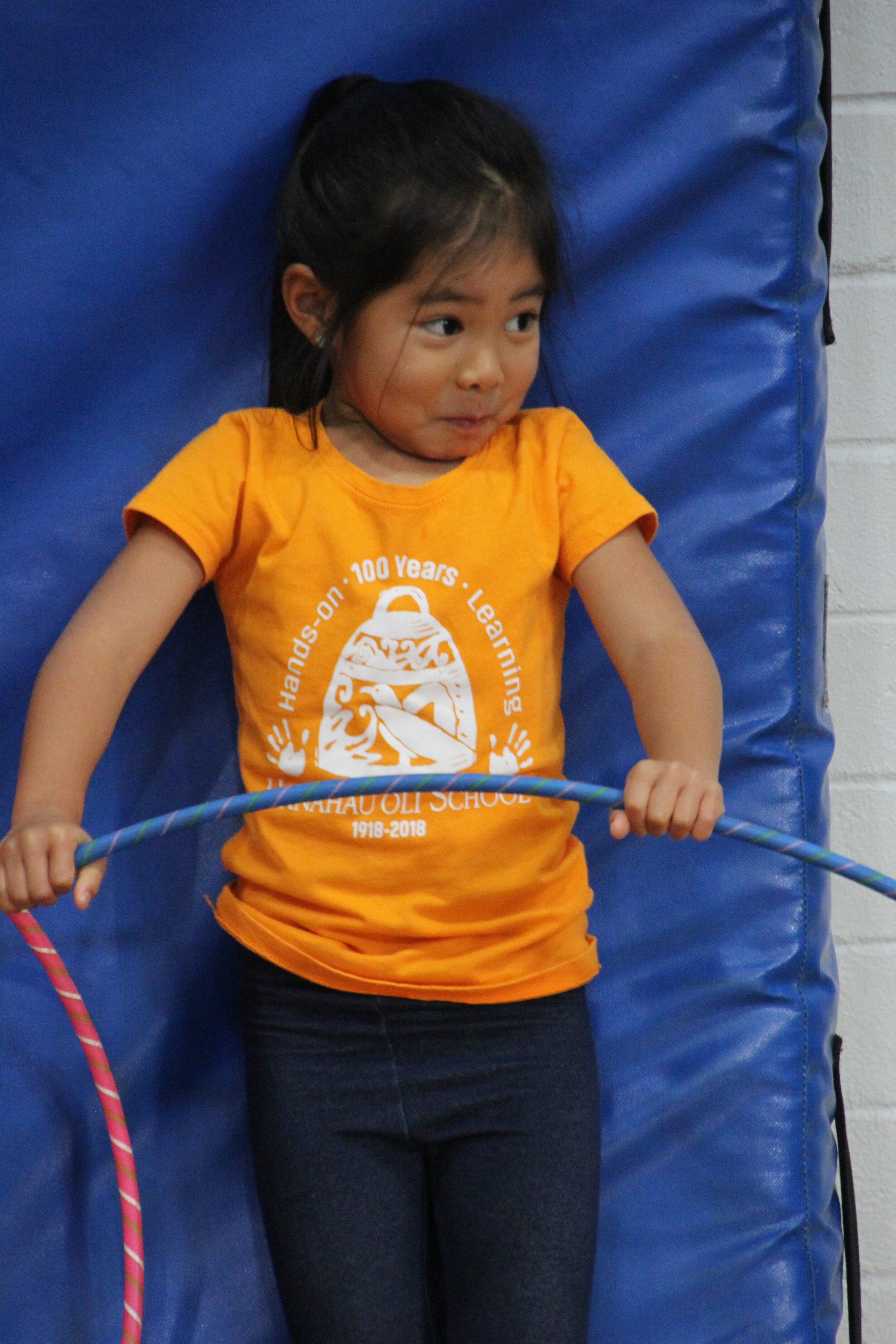
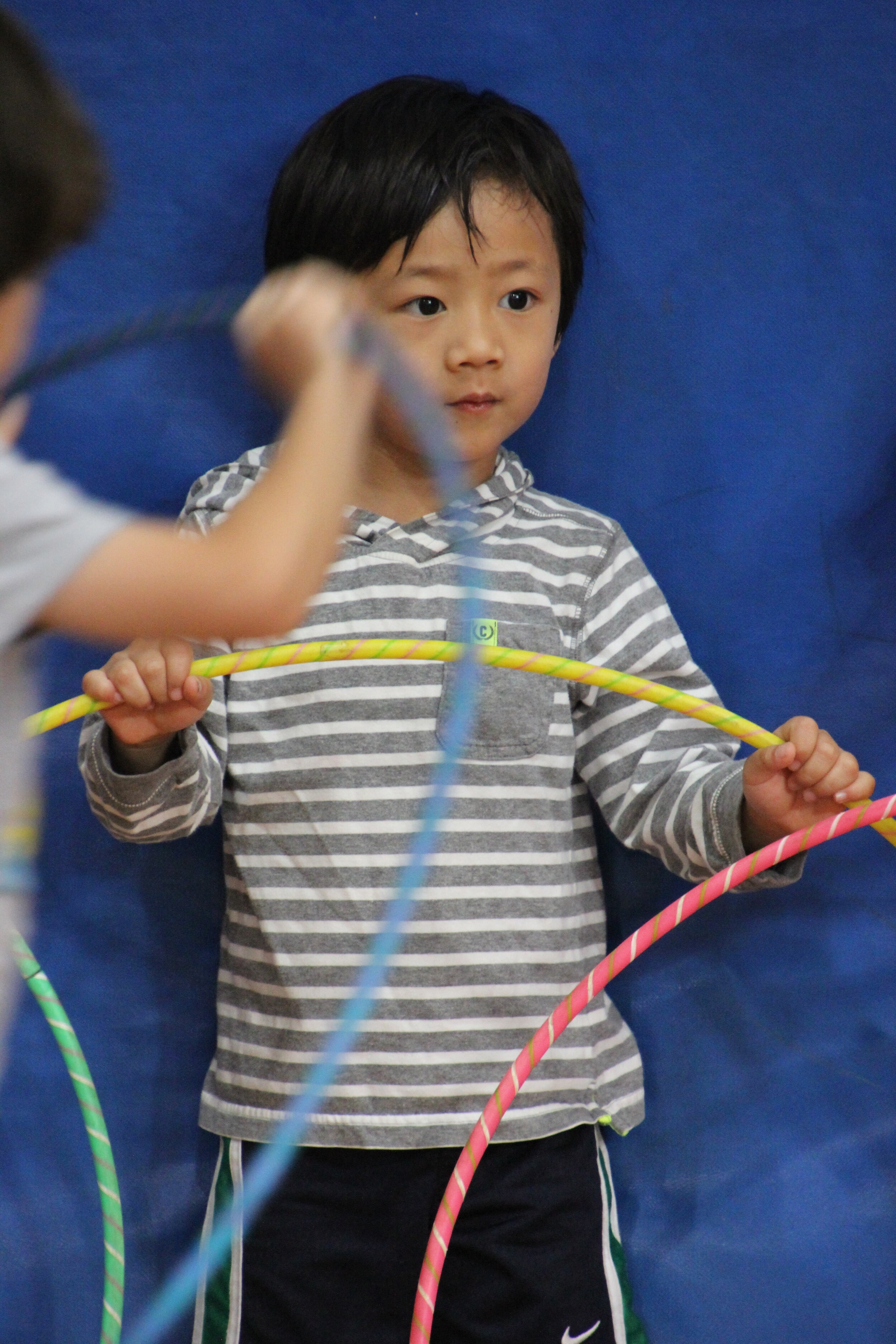
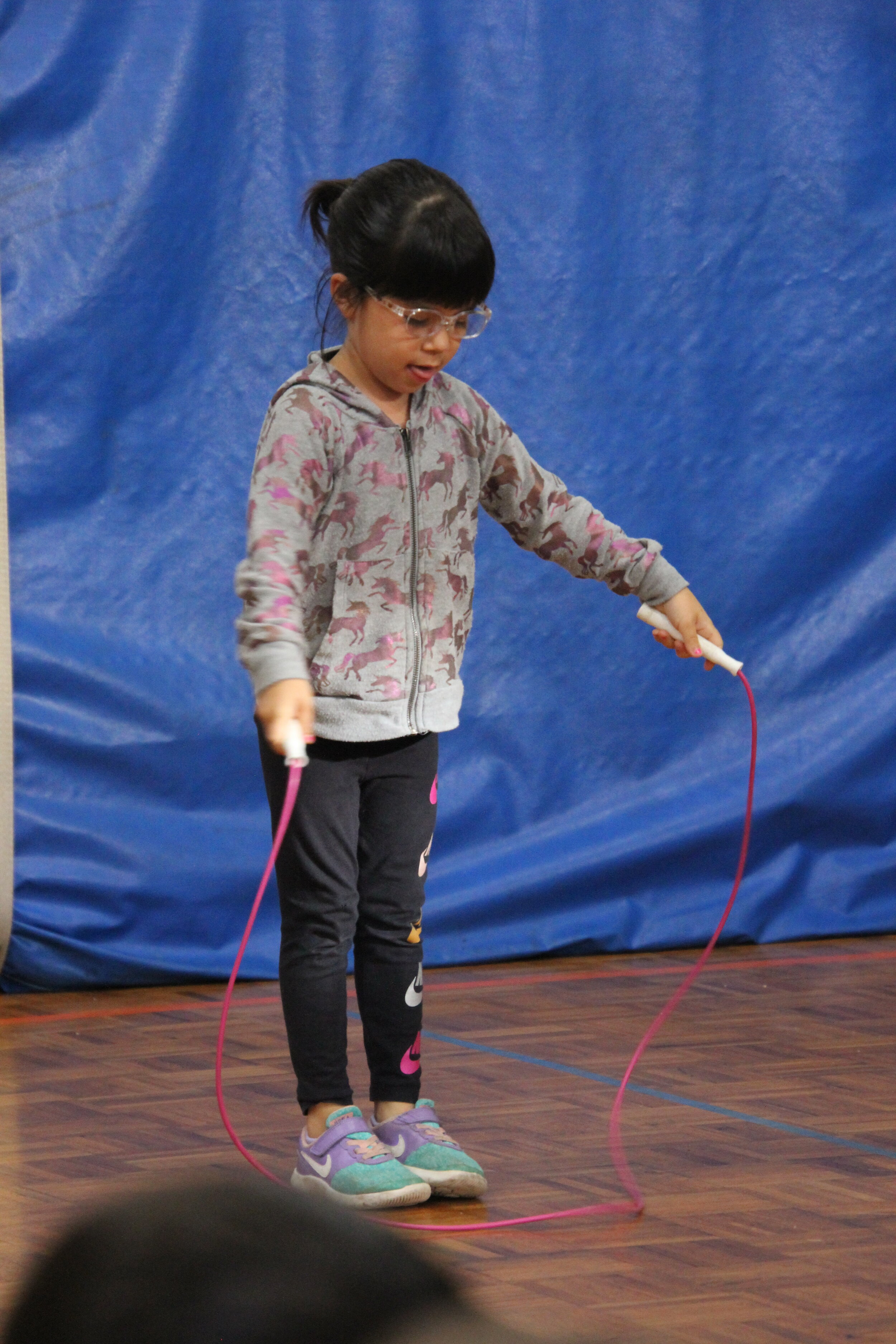
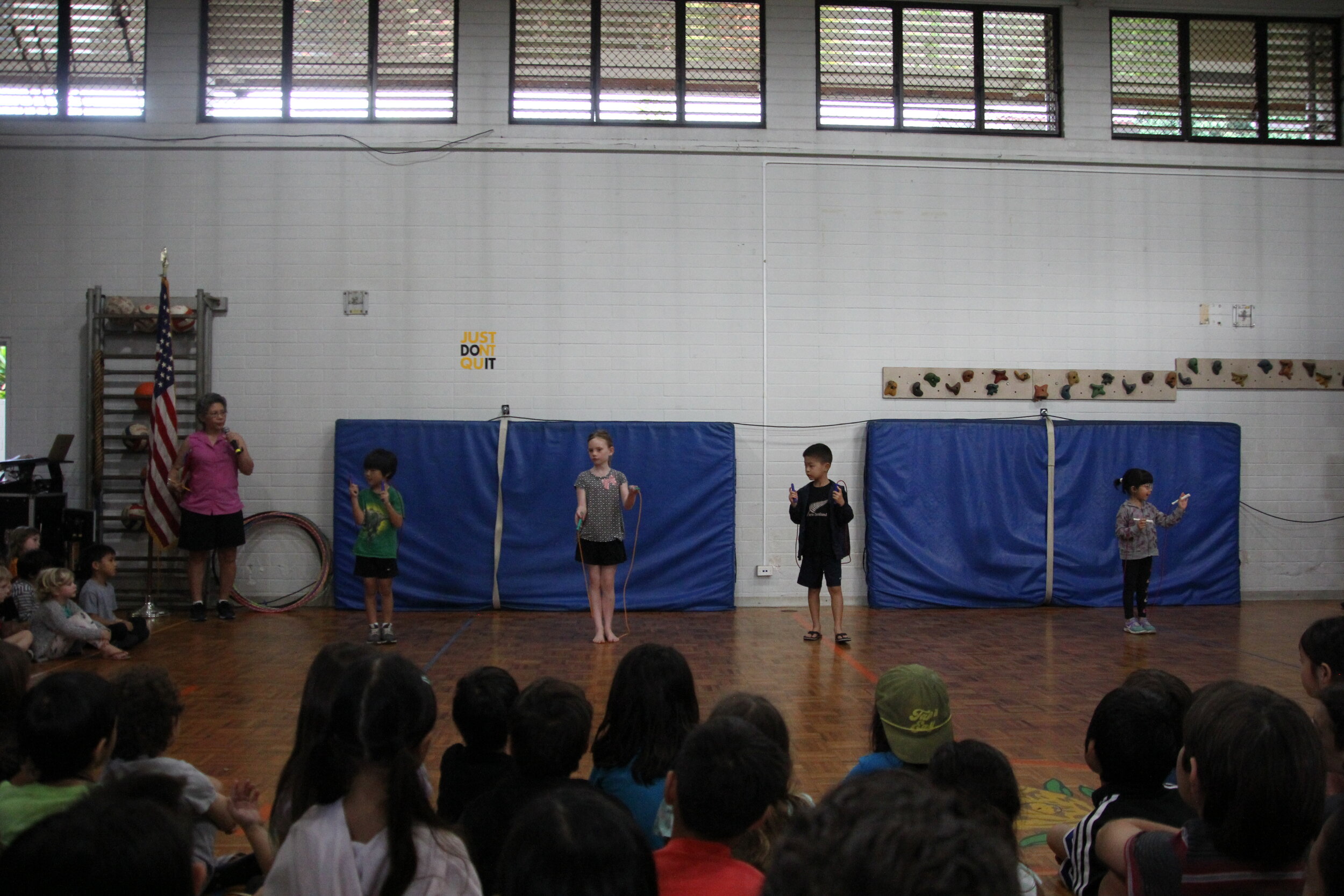
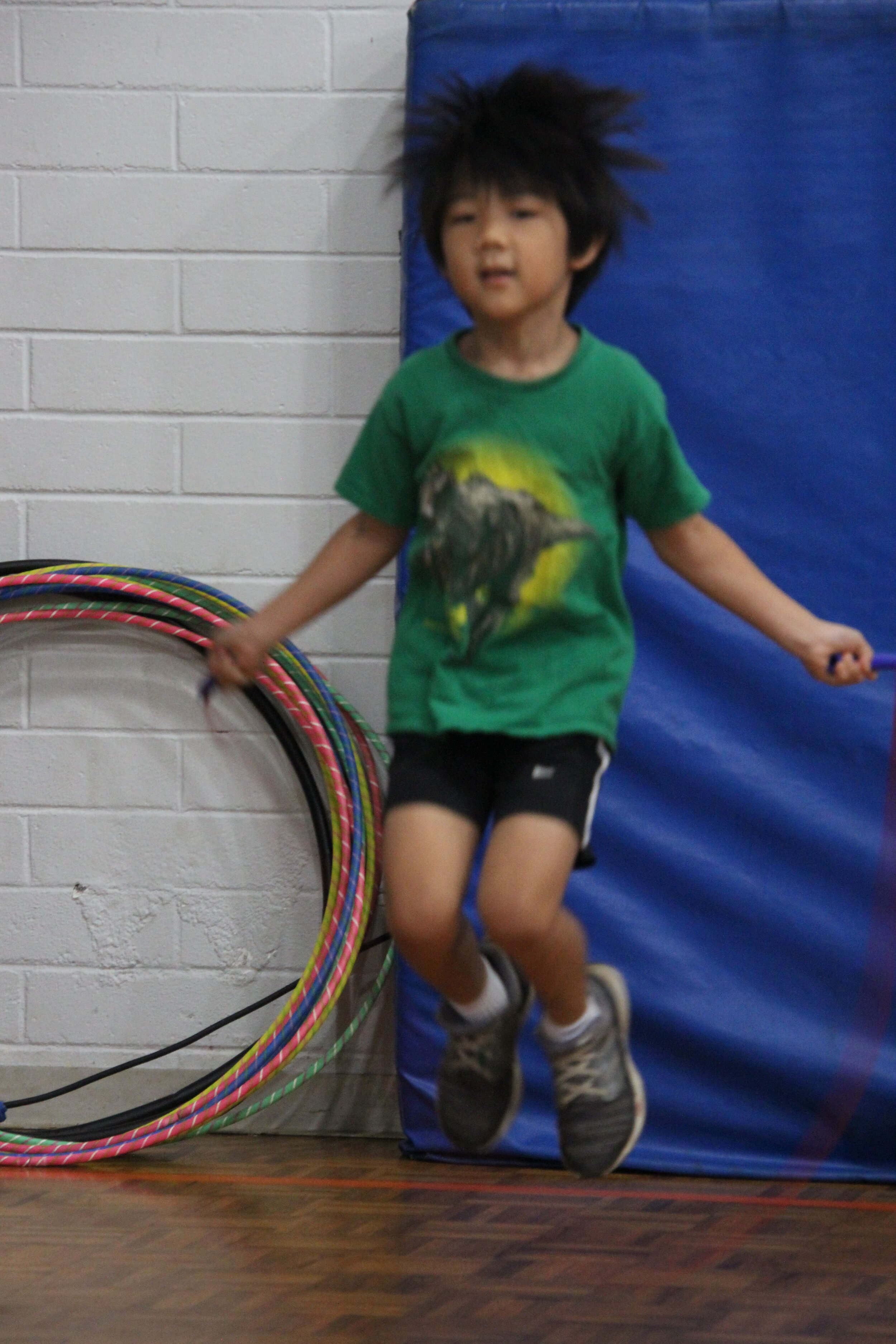
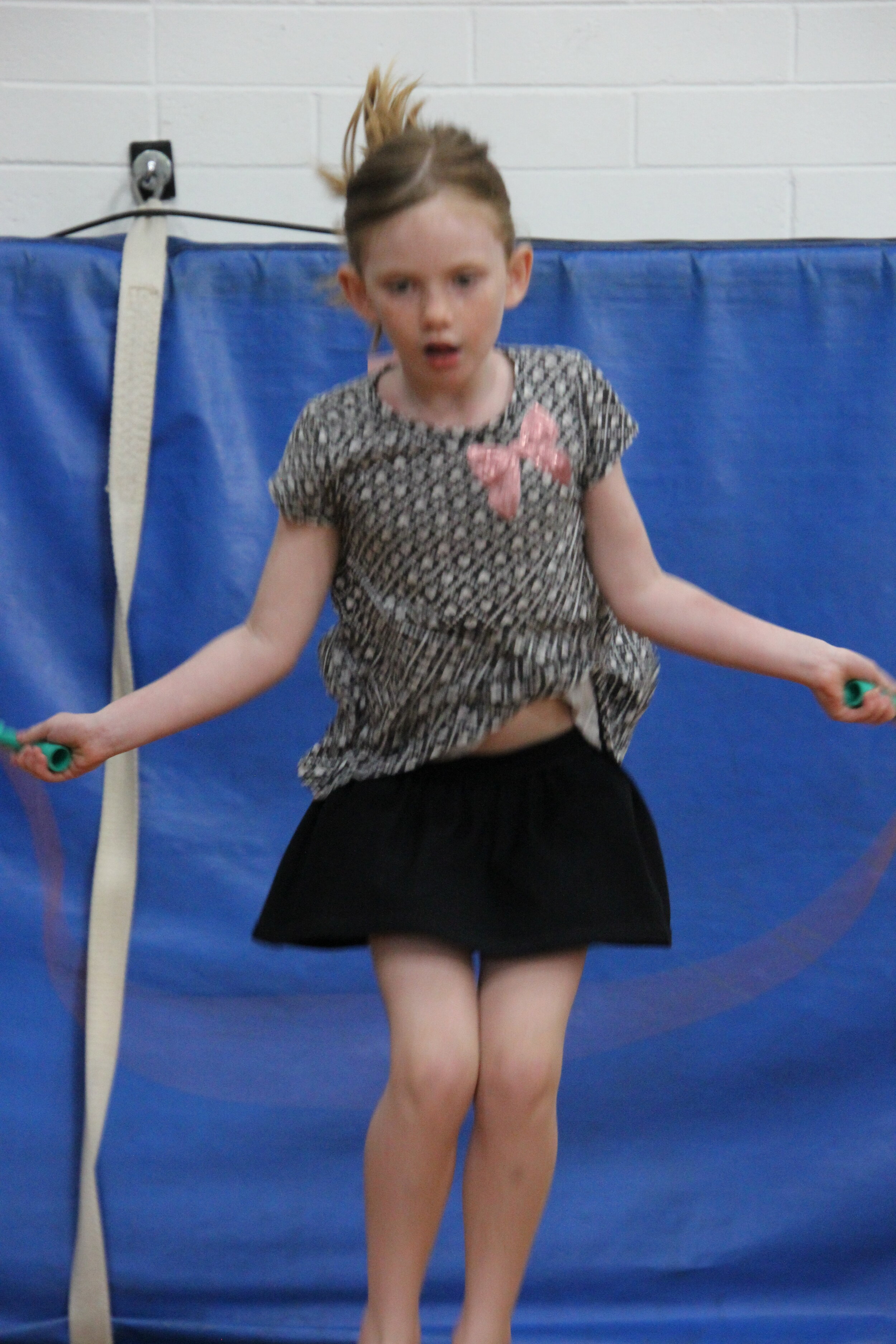
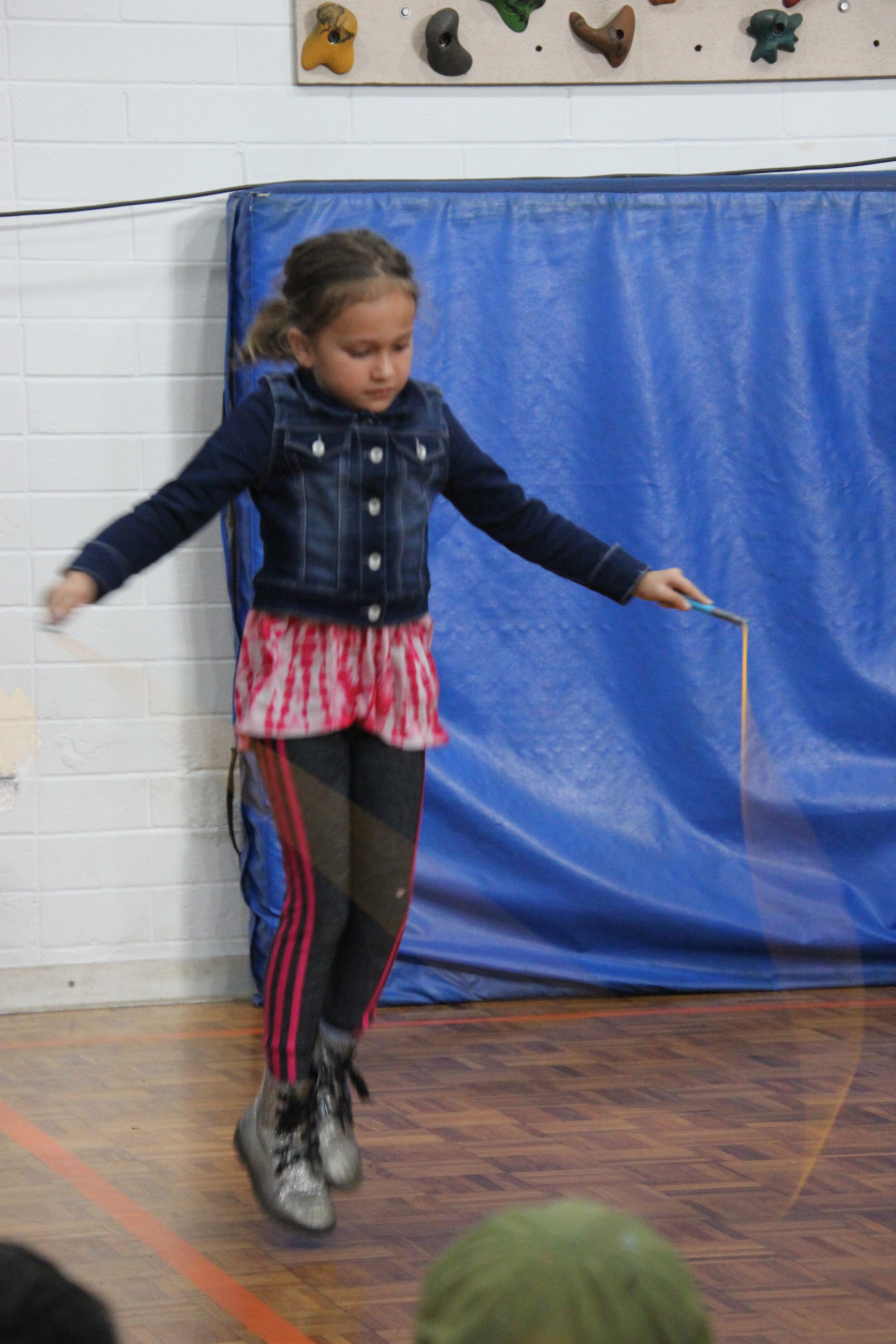
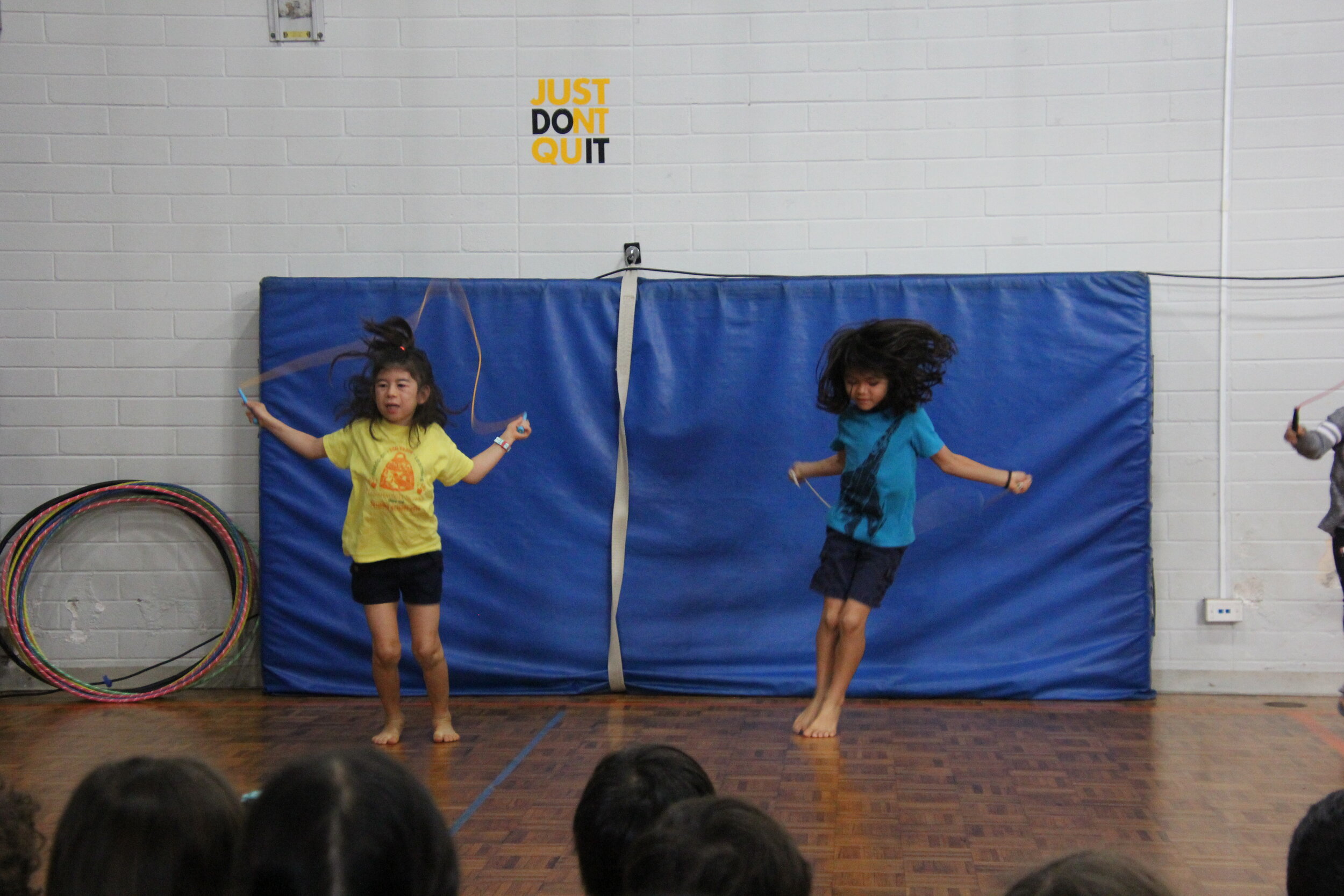
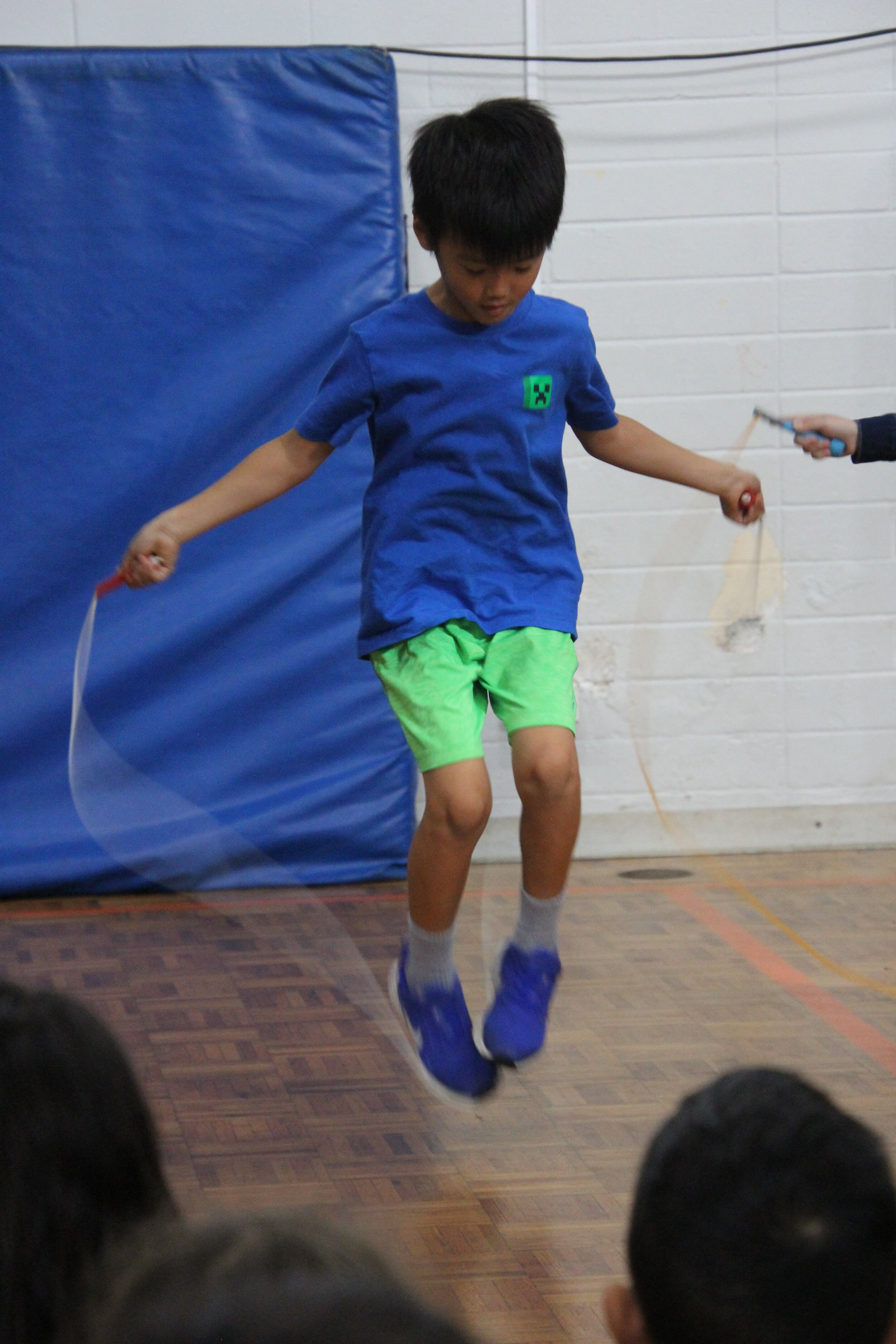
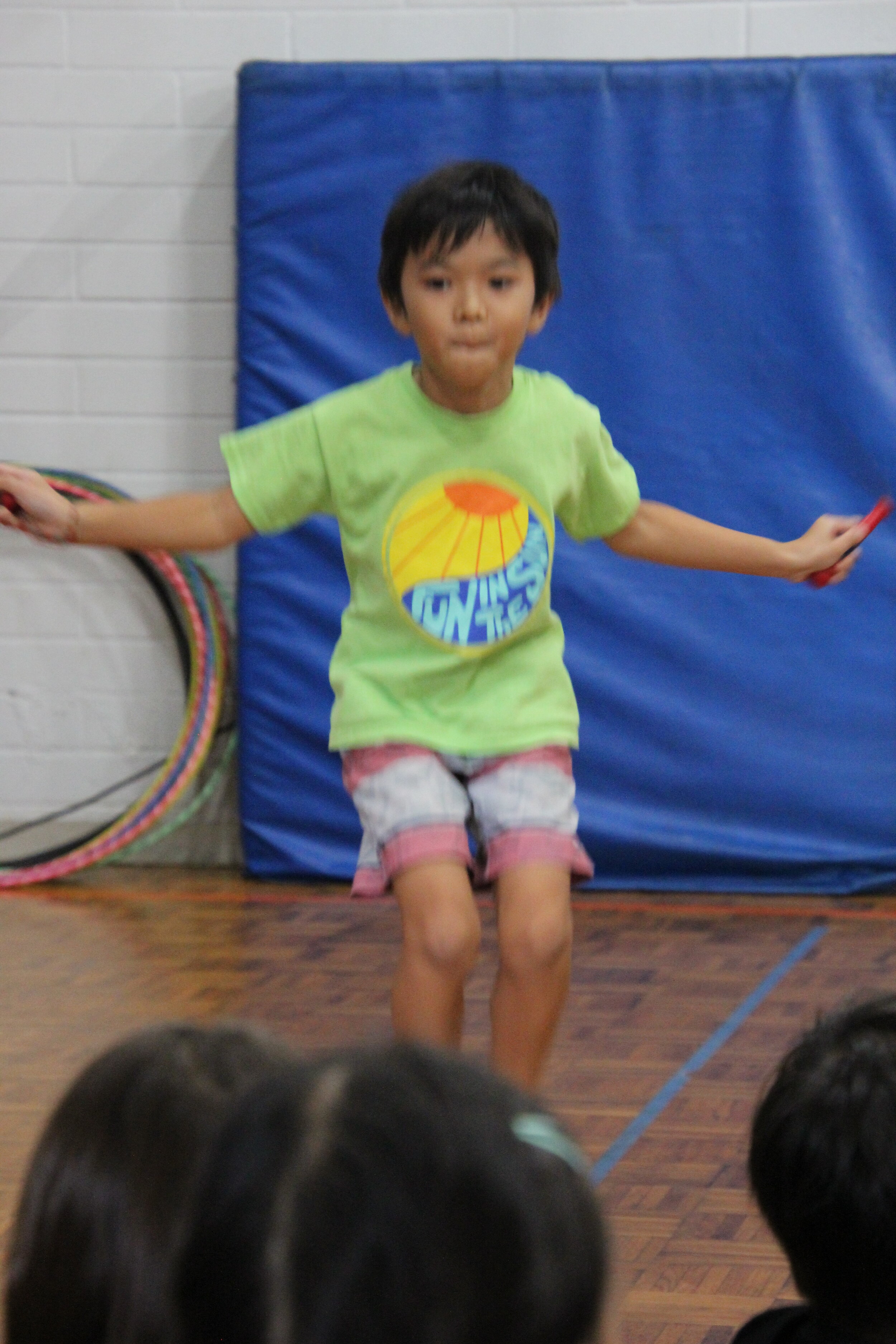
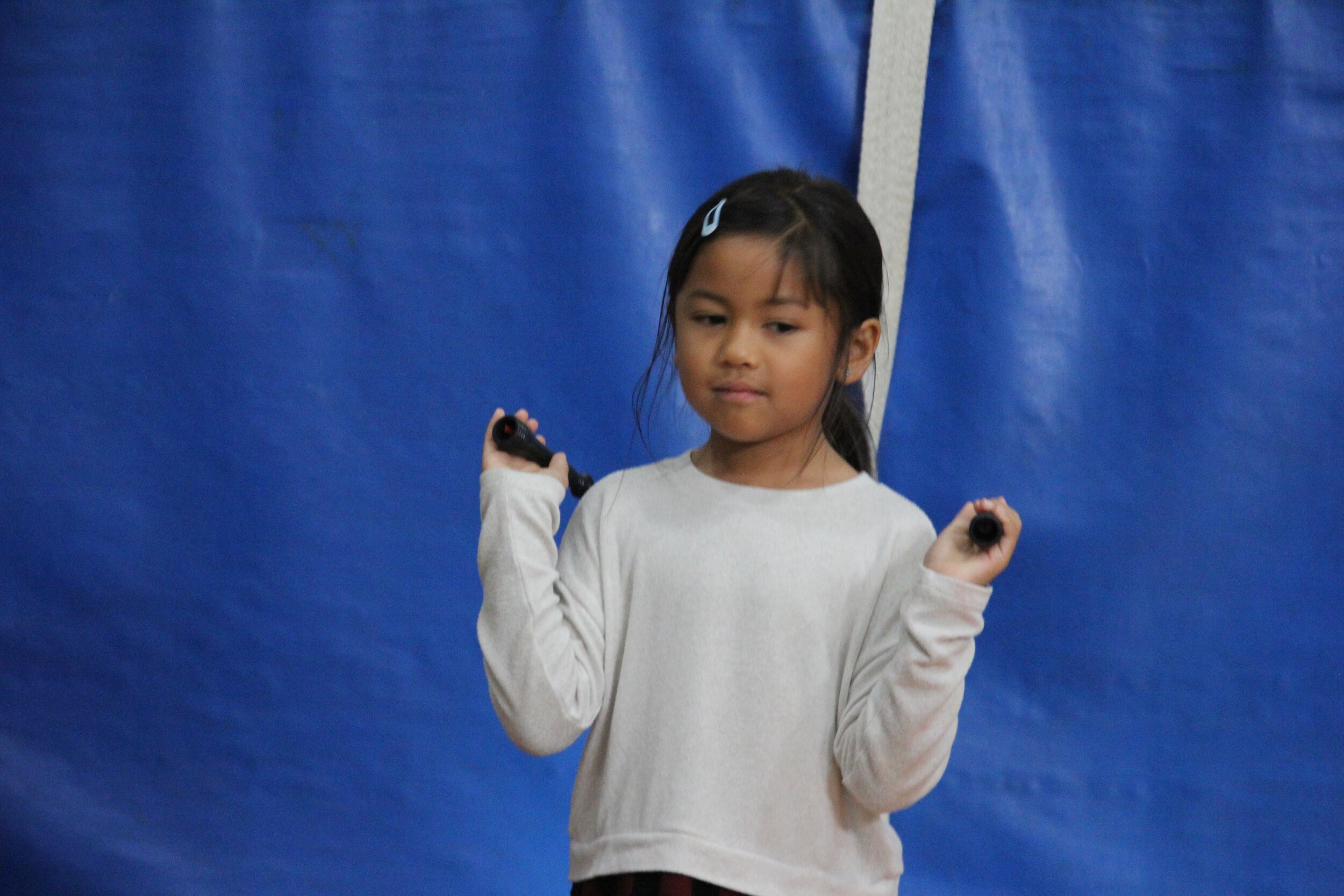
JK-Kukunaokalā Jump Rope Assembly

By Kainoa ’20

Date: 3-6-20

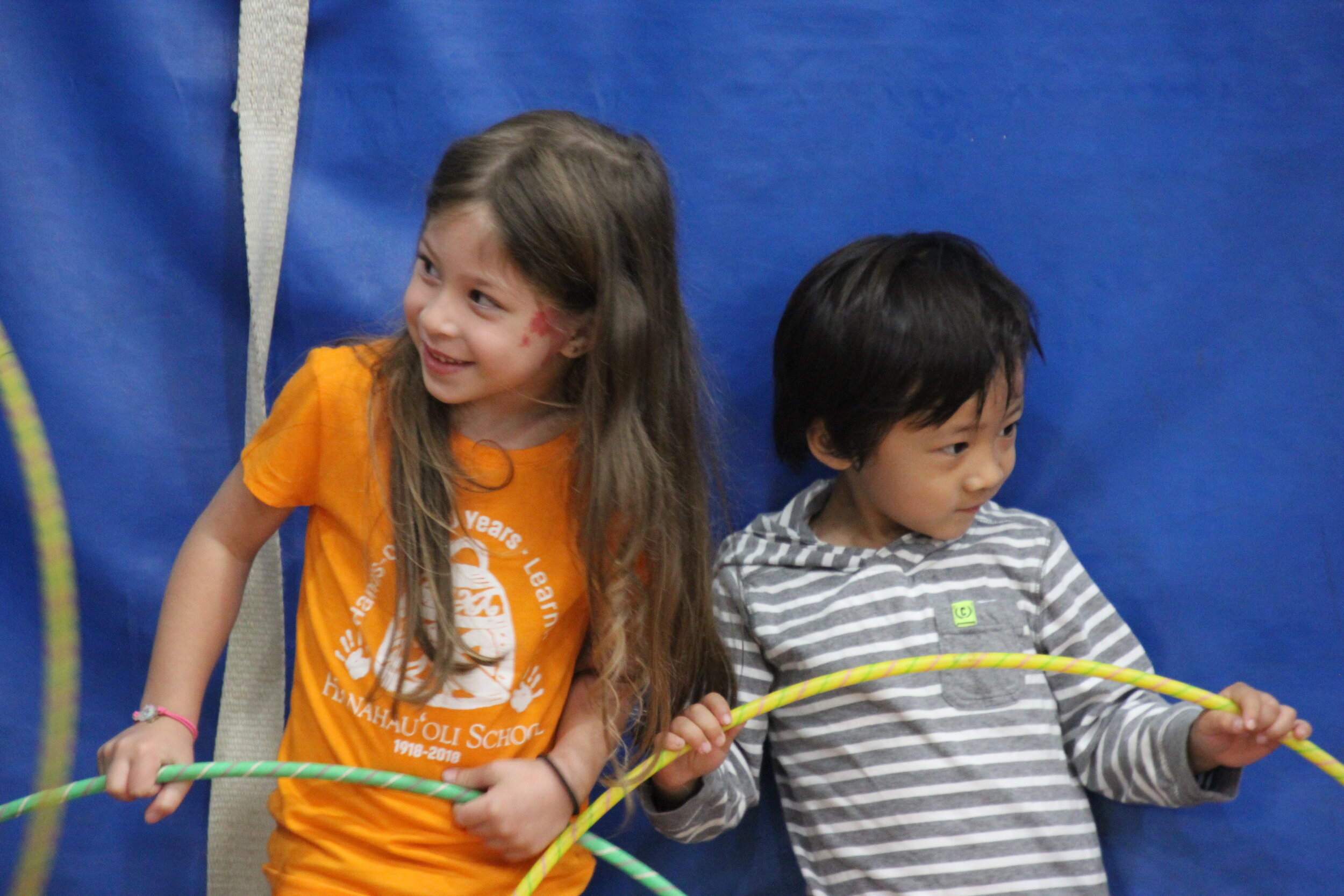
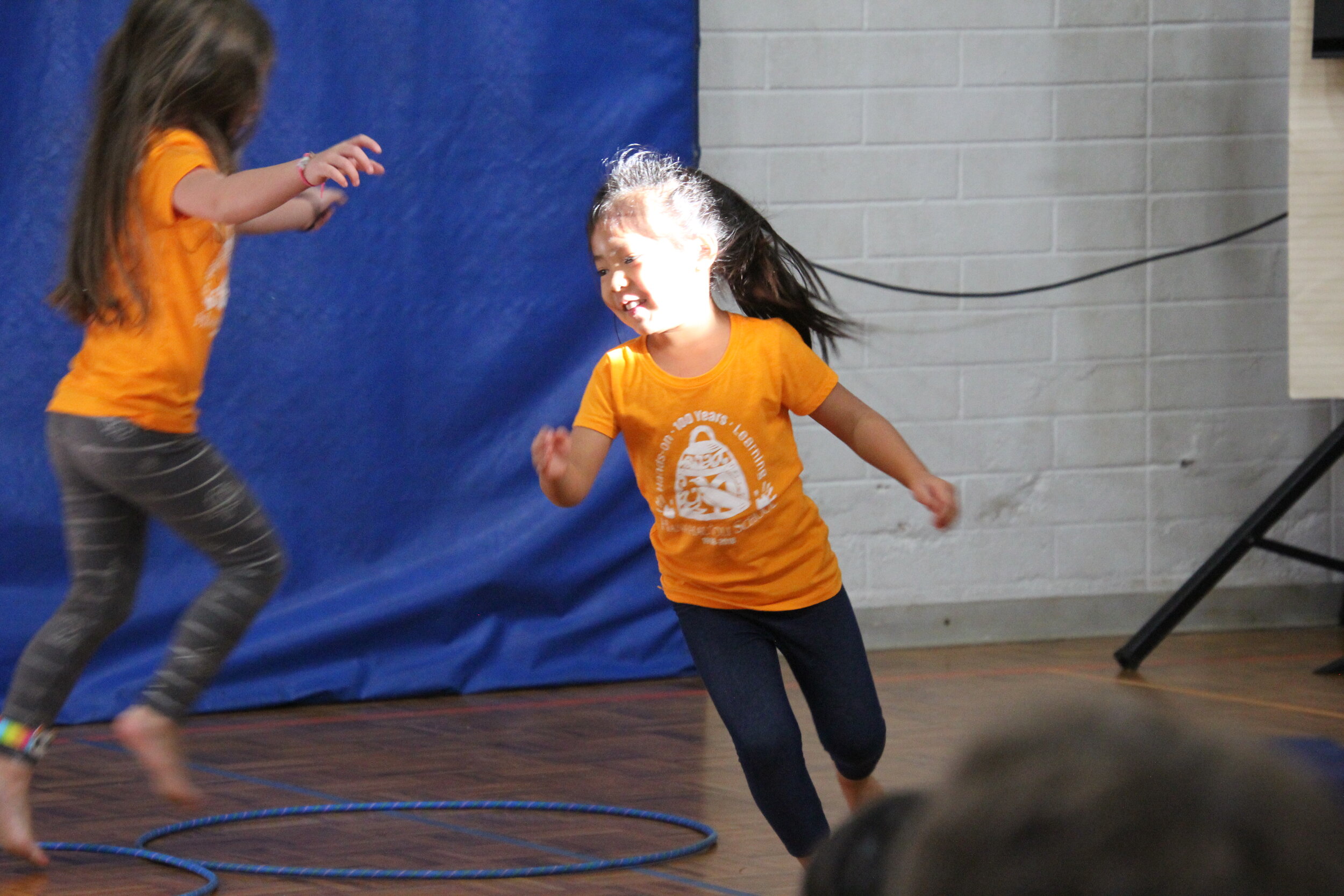
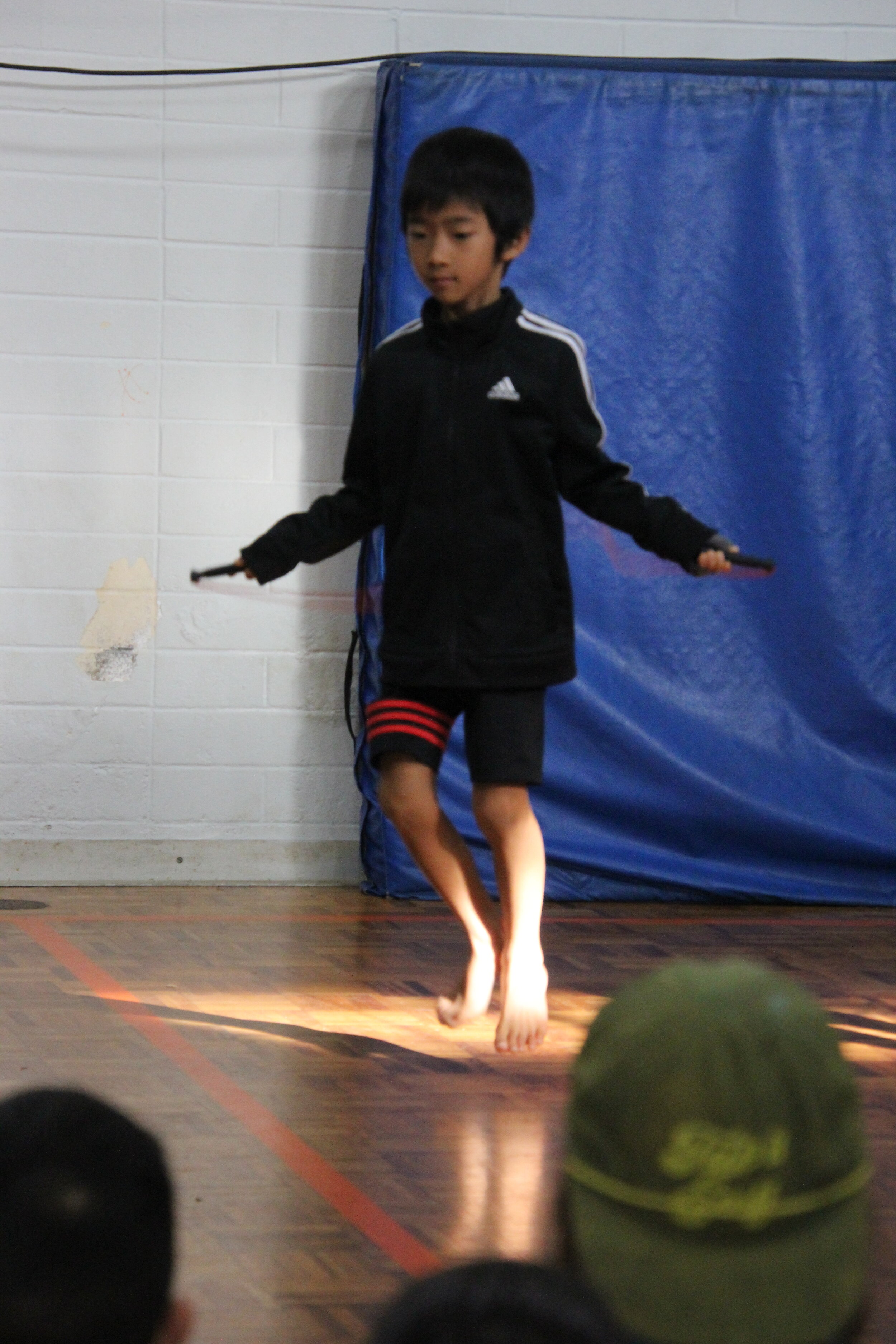
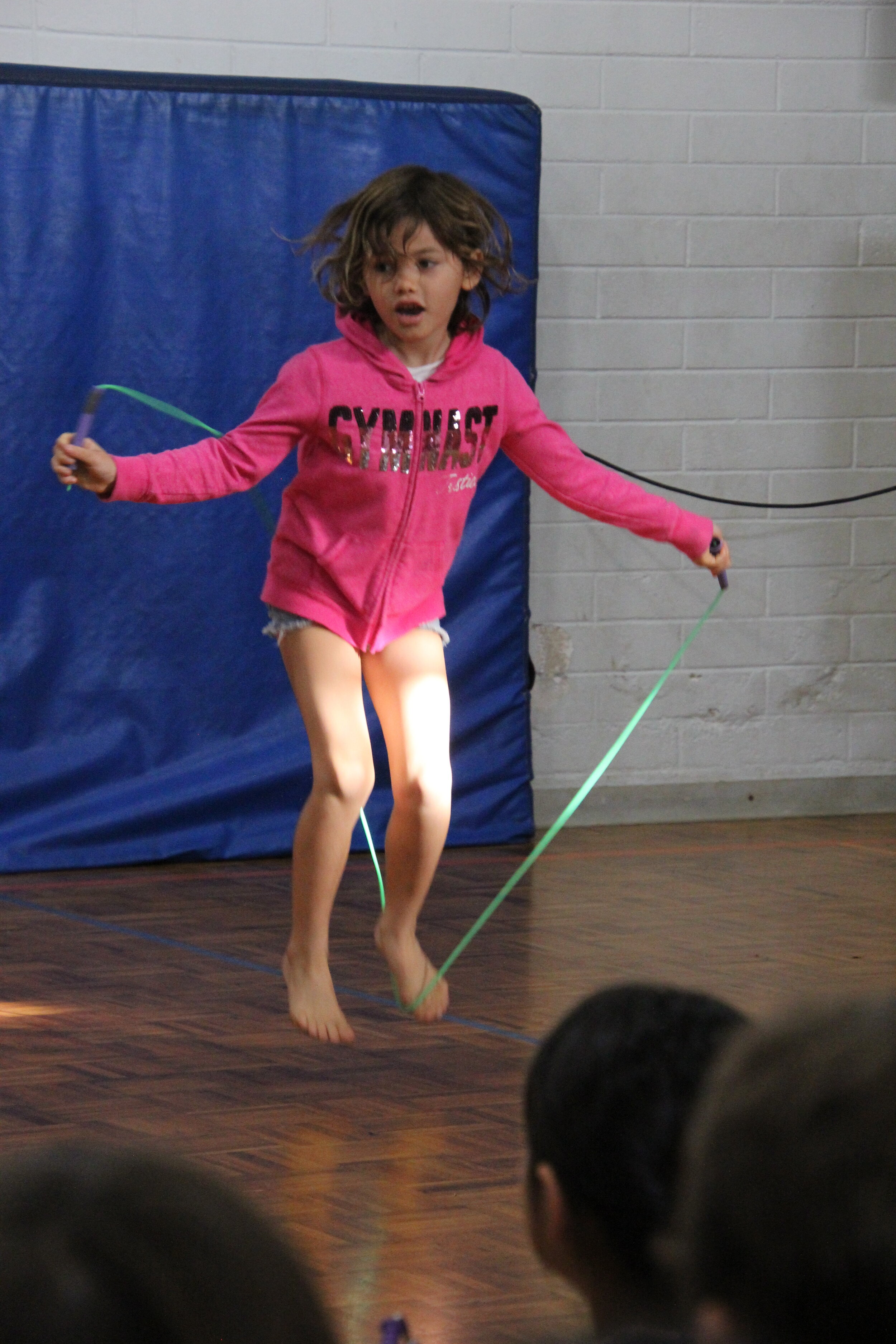
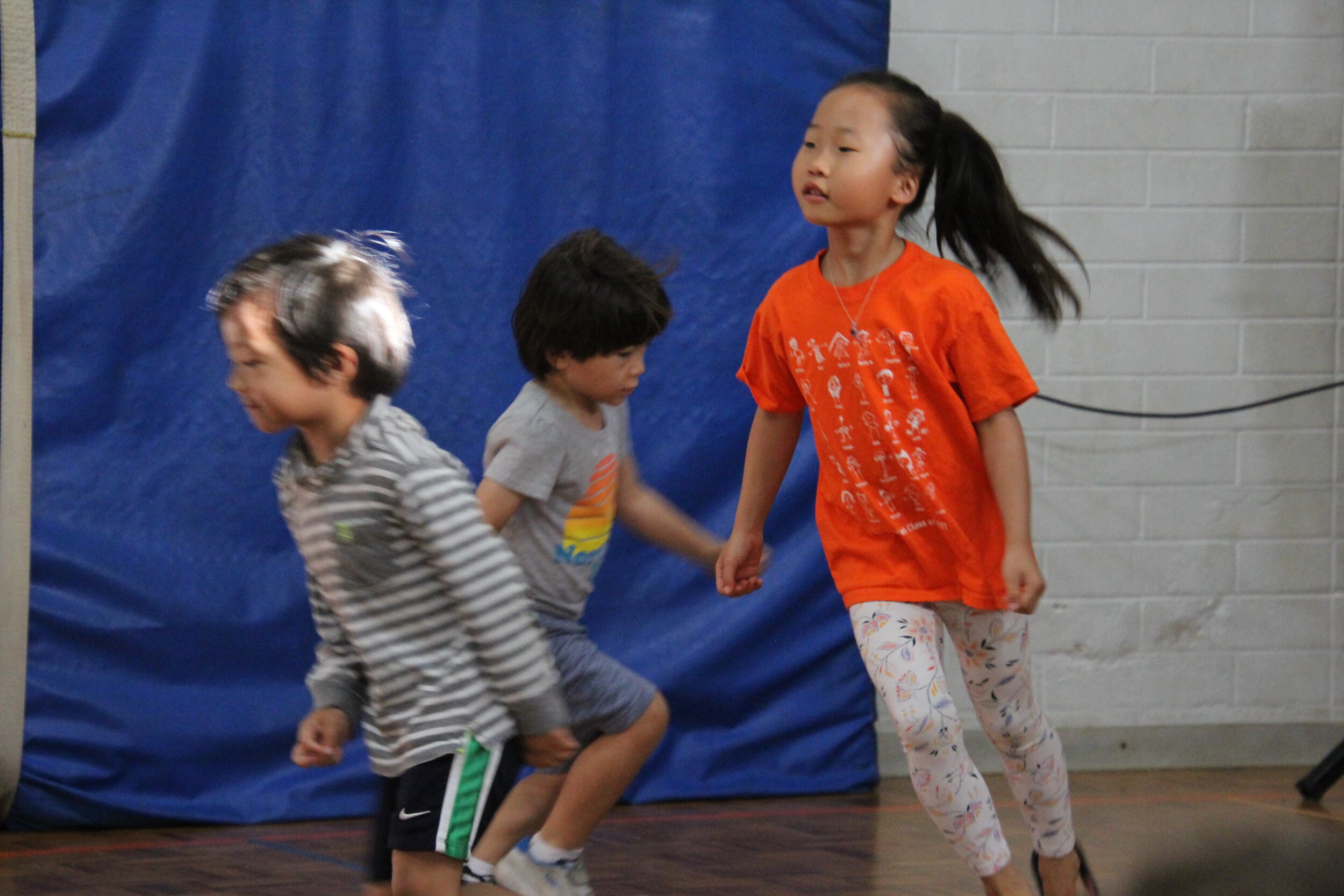
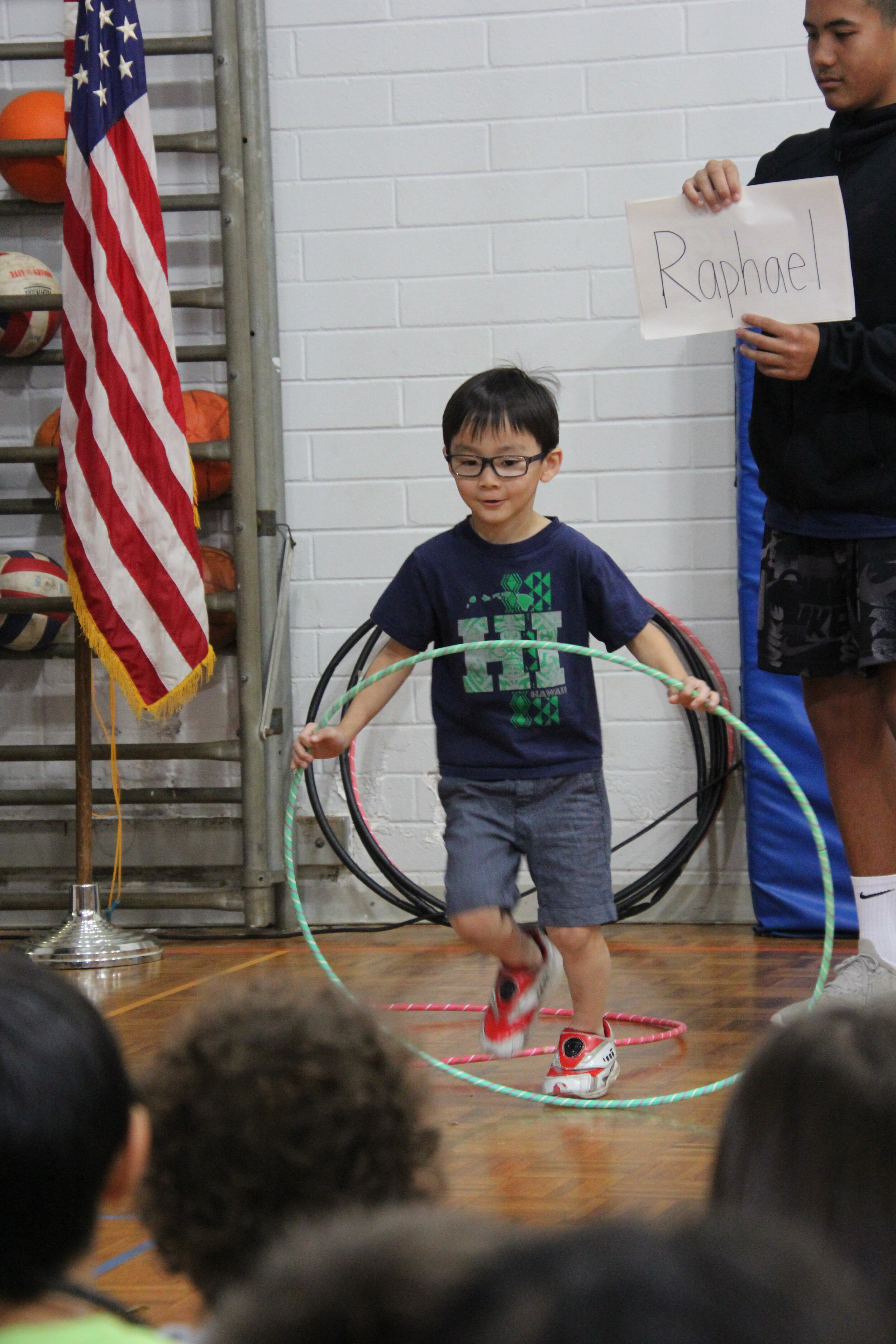
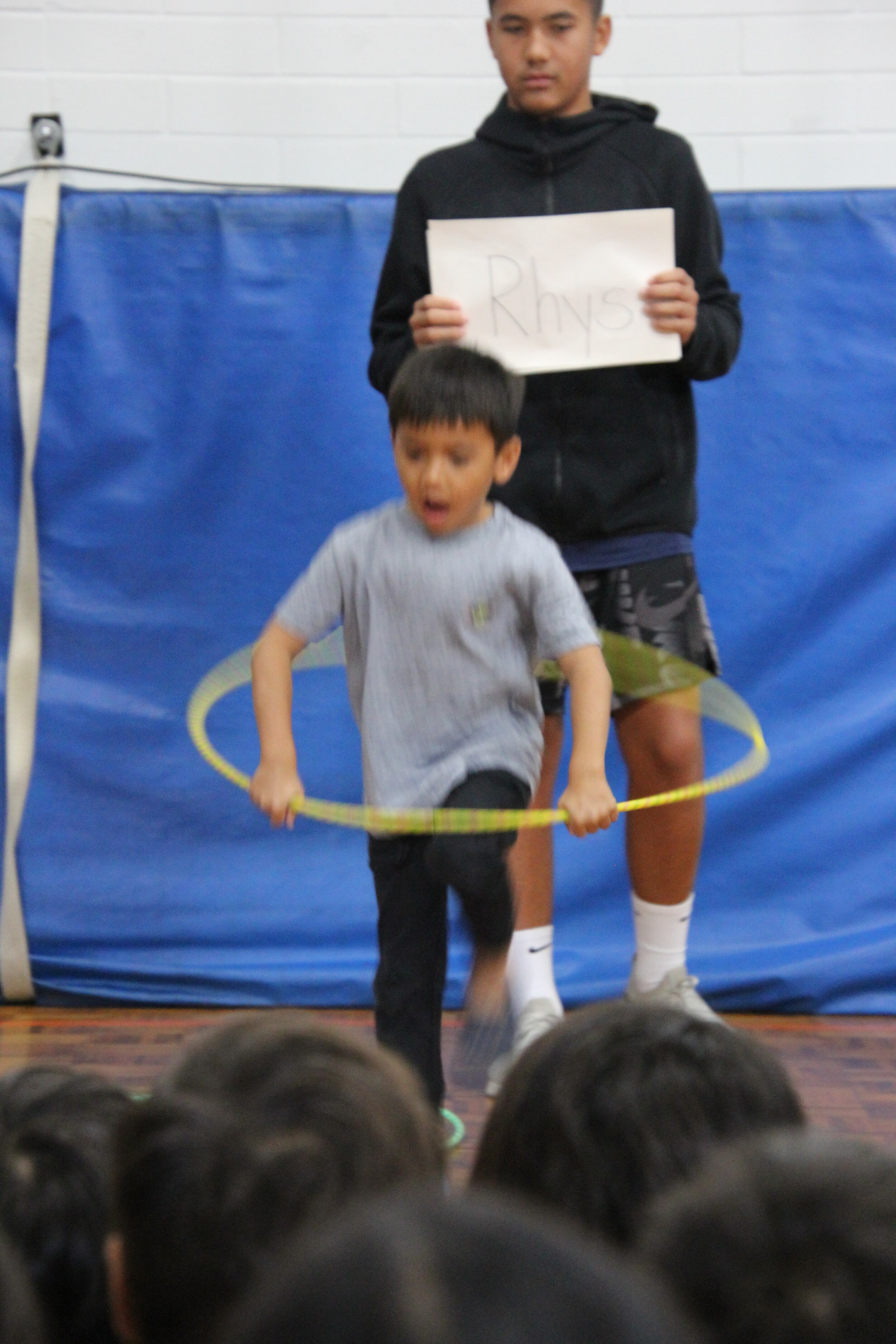
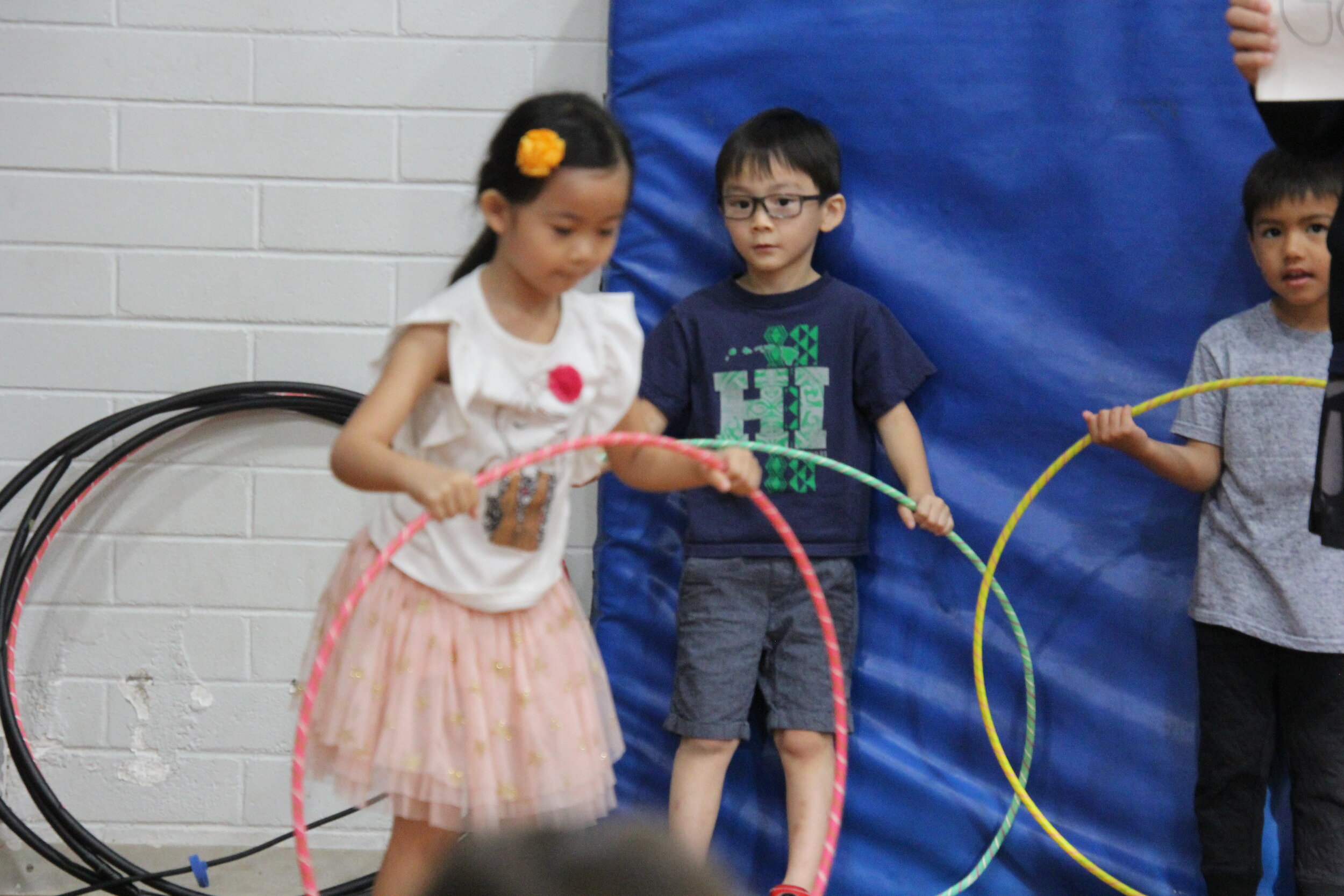
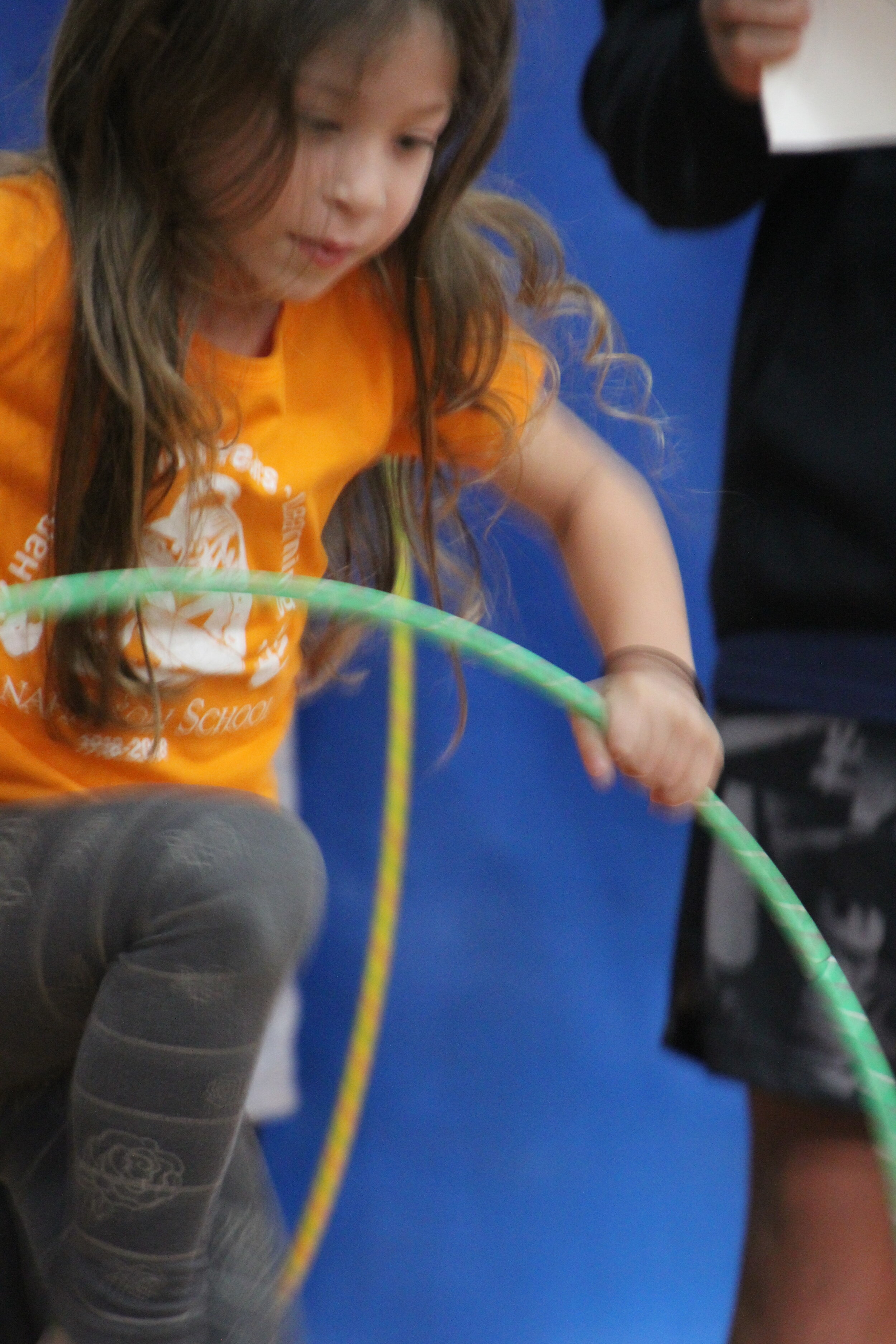
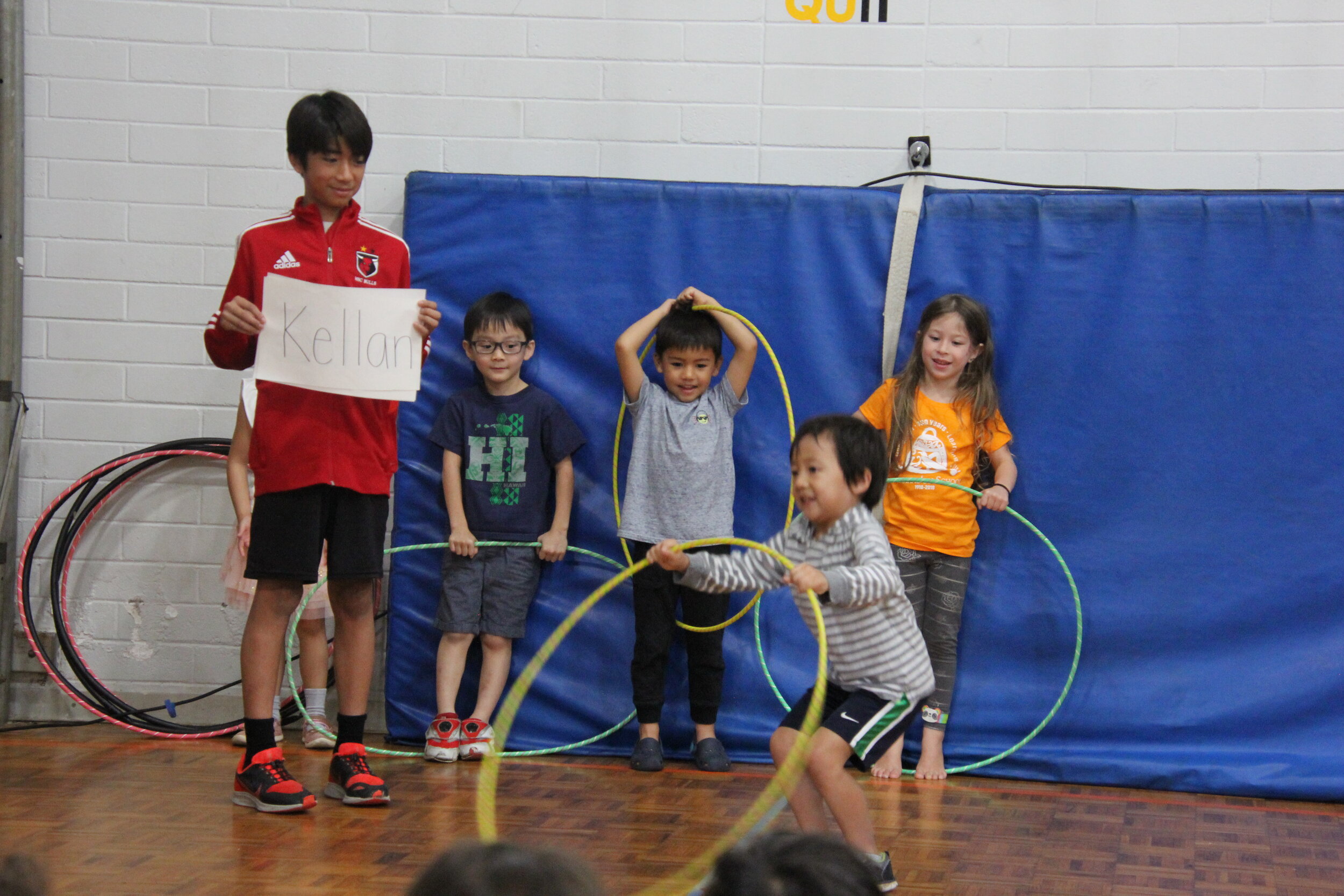
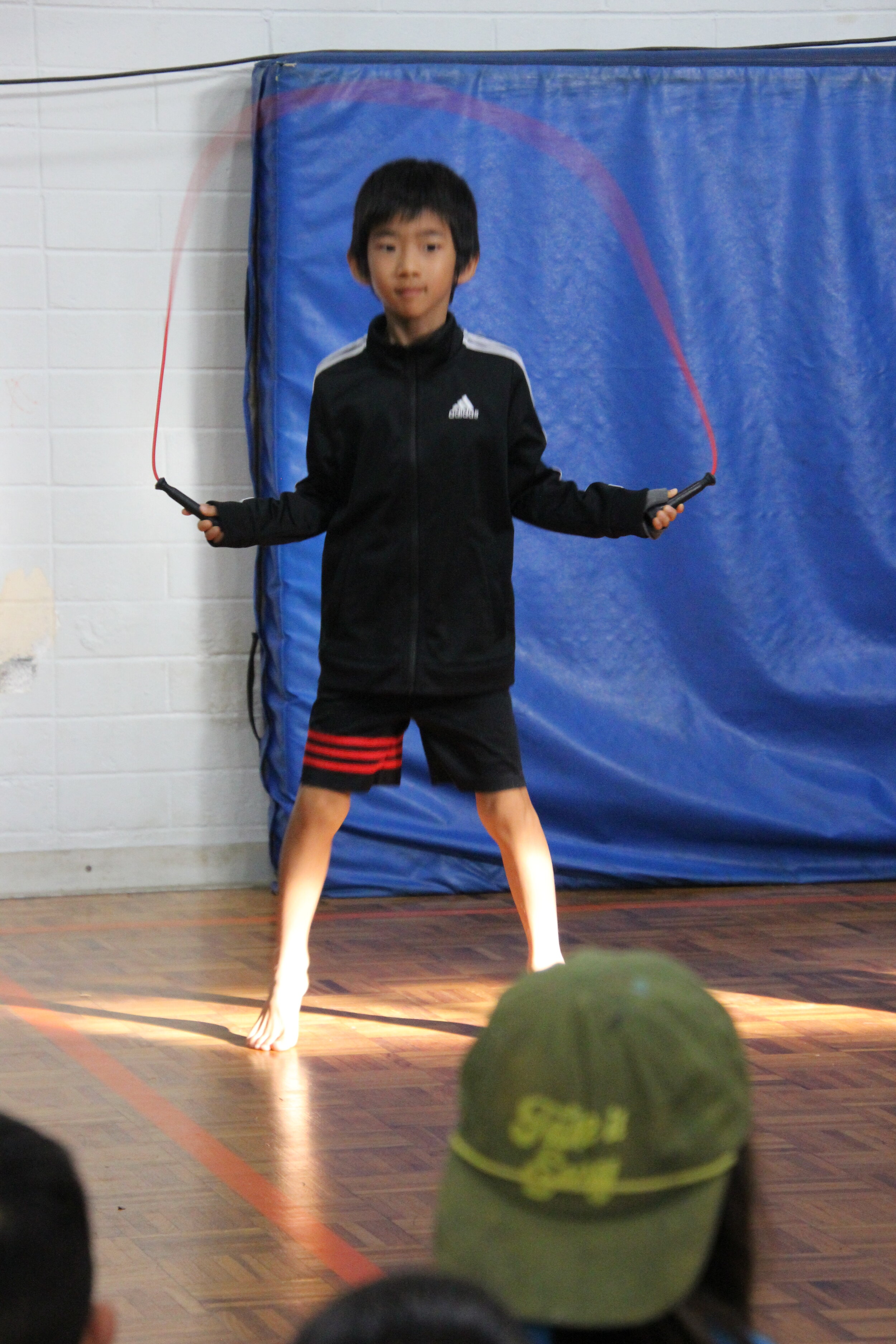
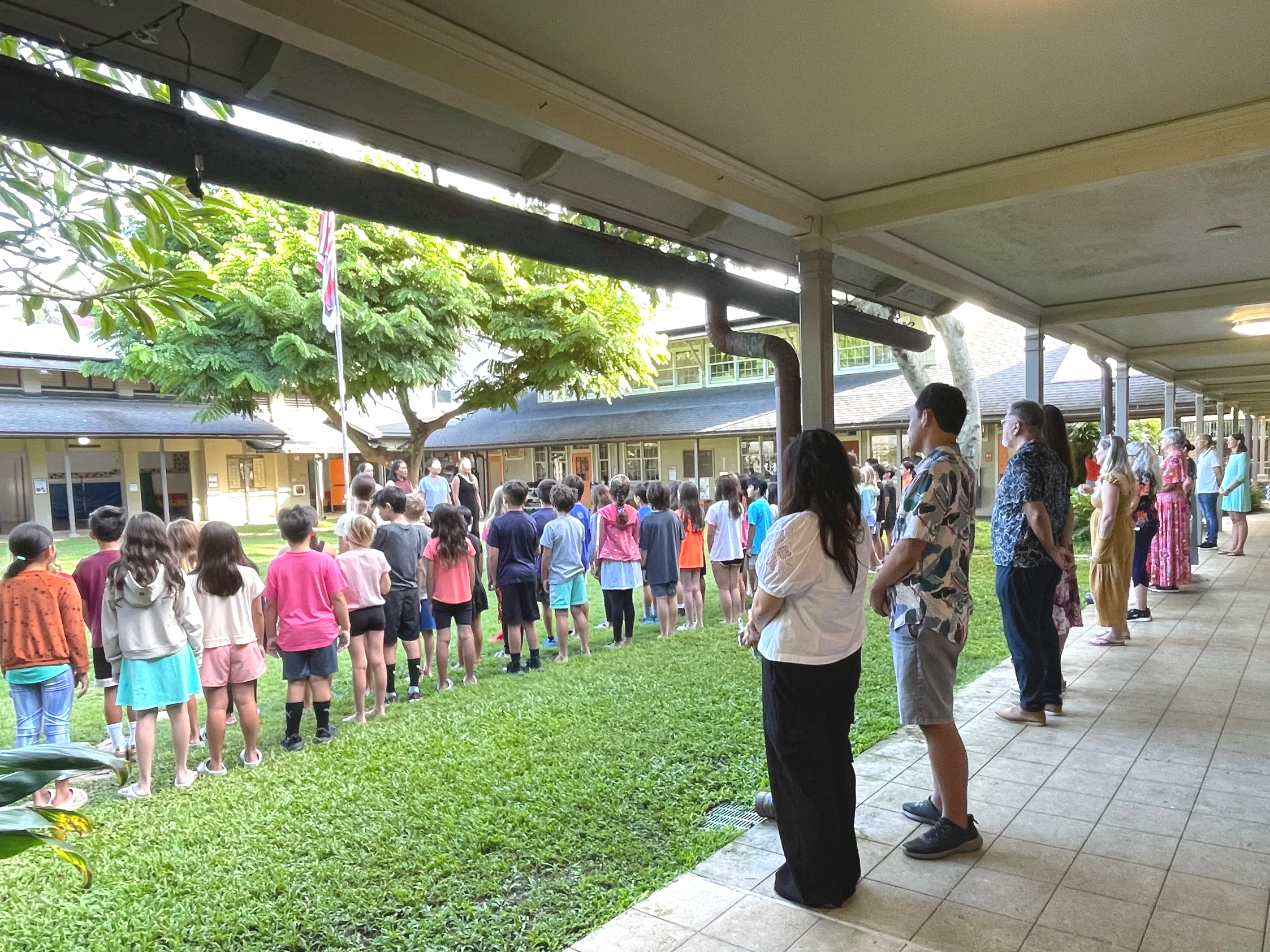
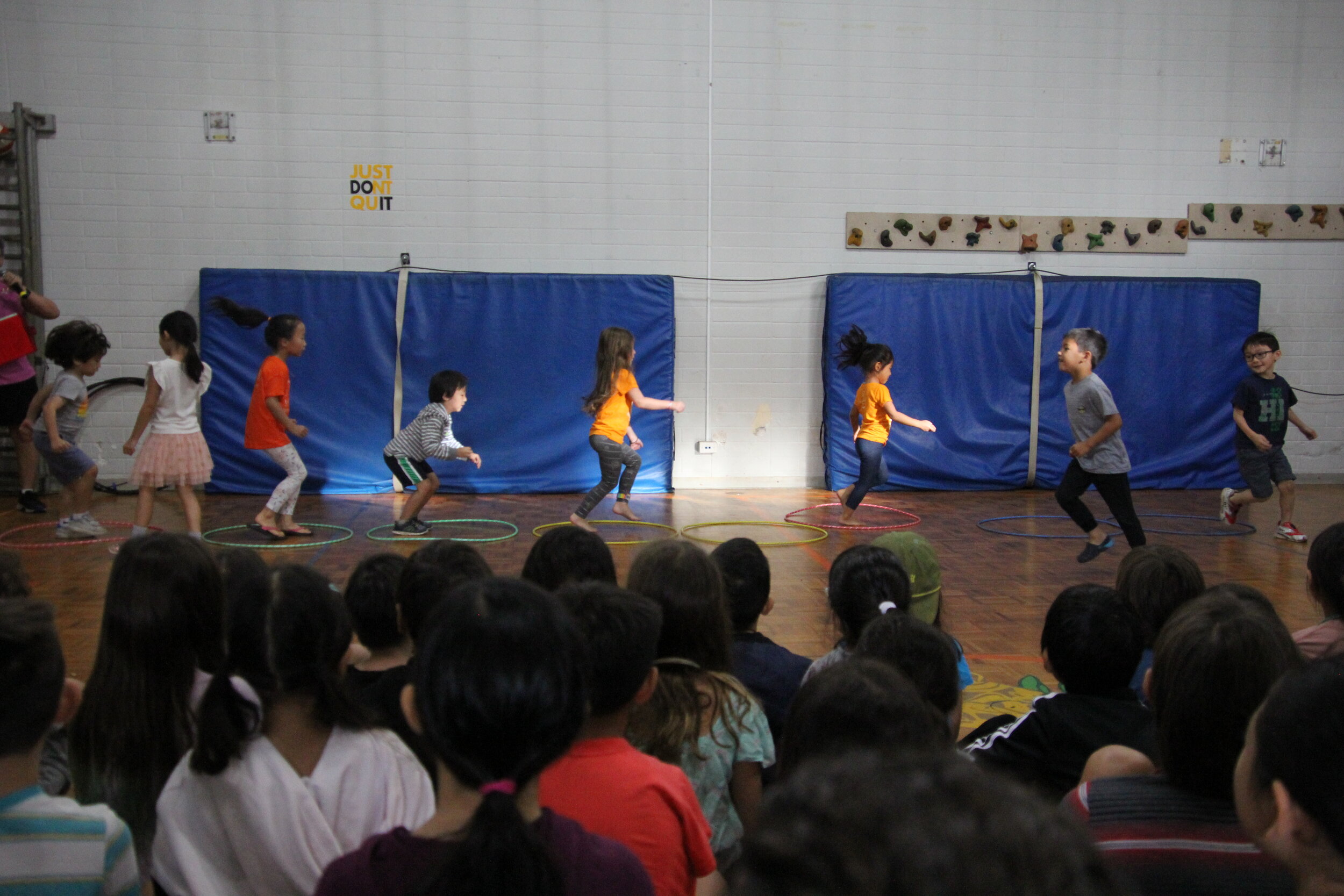
Today was the JK-Kukunaokalā jump rope assembly! Starting off the morning JK showed how they were learning to jump. First they jumped from hula hoop to hula hoop. Then they jumped with hula hoops to “ABC Rock”. After that Kukunaokalā showed how to measure your rope so that it fits you. They then showed how to do a basic jump. Then they showed how to do bell jumps (back and forth). Then skier or side to side, then side straddle opening and closing their legs in a horizontal fashion. Then they demonstrated ford straddle which is side straddle but vertically. After all the demonstrations they showed how to jump long rope. They then jumped to the song “blue bells”. To end it all off they do a 30 sec speed jump. A speed jump is when you get a certain amount of time to jump AS FAST AS YOU CAN! 
Thank you for reading the 6th Grade blog, come again.